EU battery regulation: what it is, importer obligations and 2027 deadlines
SATURDAY, 21 NOVEMBER 2026
Companies importing gadgets, power banks or promotional items with a battery are its producer: registration, a collective scheme and, from 18 February 2027, QR code and removable batteries.
The EU battery regulation, Regulation (EU) 2023/1542, sets common rules for every battery sold in the Union, including batteries built into another product. A company importing power banks, torches, electronic gadgets or promotional items with a battery into Italy becomes a producer under the regulation: it must join the new register, sign up with a collective scheme and comply with CE marking, labels and, from 18 February 2027, the QR code and removability rules.
EU battery regulation: what it is and what it replaces
The regulation dates from 12 July 2023 and has applied since 18 February 2024. It replaces the old Batteries Directive 2006/66/EC and, unlike a directive, it applies directly in every Member State with no need for transposition. It covers the whole life of a battery: design, restricted substances, performance, labels, collection and recycling of waste.
In Italy the parts left to Member States (register, collection schemes, controls and penalties) are governed by Legislative Decree no. 29 of 10 February 2026, published in the Official Gazette on 6 March 2026 and in force since 7 March 2026. The decree repeals Legislative Decree 188/2008, which had transposed the old directive. Many obligations come in stages up to 2031 and beyond: importers need to know which apply today and which arrive with the next shipments.
The five battery categories
The regulation splits batteries into five categories, and each obligation says which ones it covers:
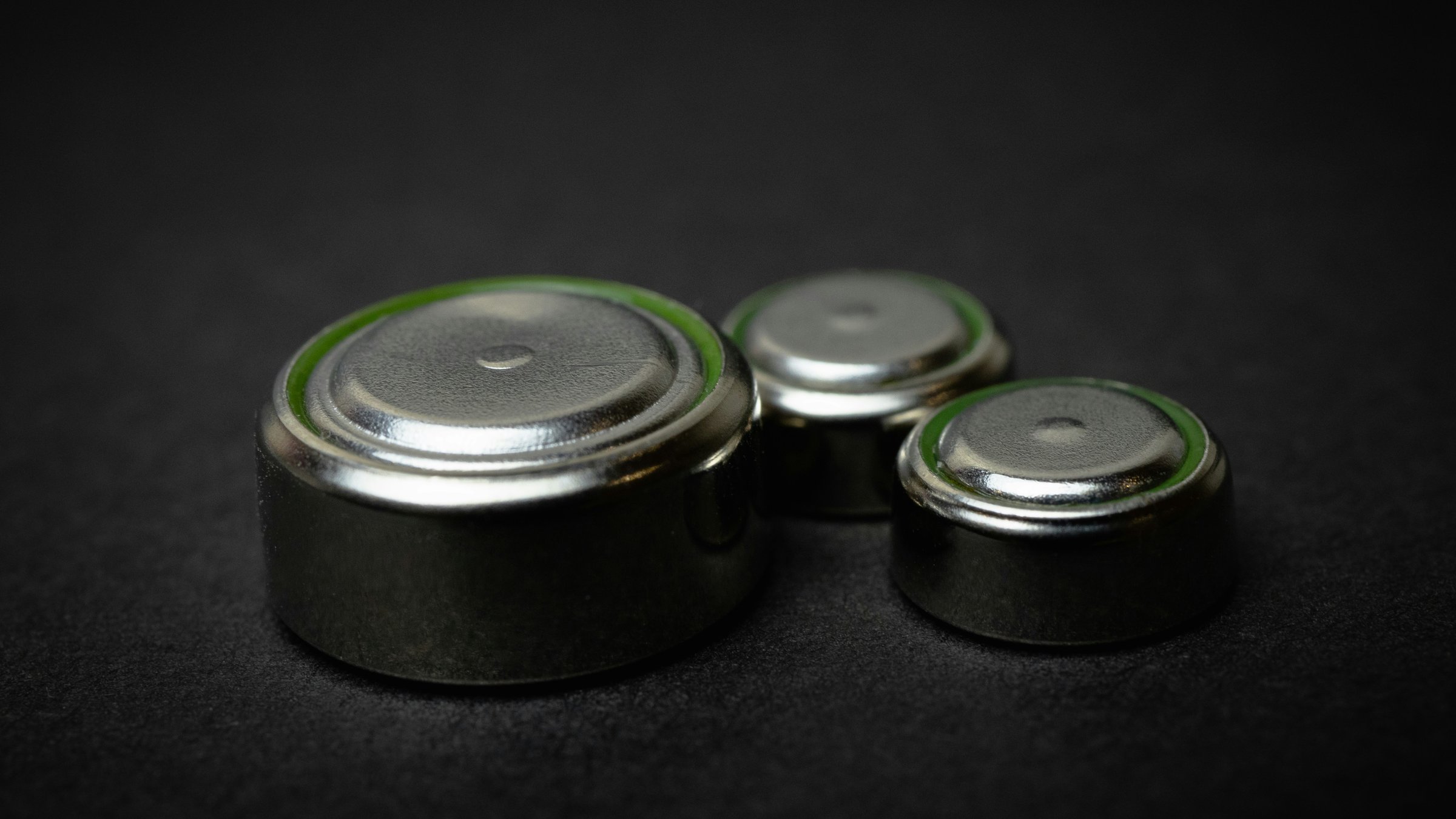
- Portable: sealed, up to 5 kg, not designed for industrial use (AA cells, button cells, phone and gadget batteries)
- Light means of transport (LMT): e-scooters and e-bikes
- Starting, lighting and ignition (SLI): car and motorbike batteries
- Electric vehicle batteries
- Industrial: designed for industrial use, including energy storage
For importers of consumer goods and promotional items the category that matters is almost always the first one. The rules on industrial and electric vehicle batteries and on the digital battery passport concern other markets and stay in the background here.
Who is the producer: gadget importers too
Under the Italian decree, the producer is whoever first makes batteries available on the national market, including batteries built into equipment. In practice, a company importing from outside the EU an LED lamp with a button cell, a rechargeable speaker or a power bank with its own logo is the first to place that battery on the Italian market, so it is the producer. If the company buys and imports in its own name, the role does not stay with the Chinese supplier.
On top of the producer duties come the usual importer duties found in other product rules: checking that the manufacturer has carried out the conformity assessment, that the battery bears the CE marking and the required labels, and stating its own name and contact details clearly and legibly. The CE marking goes on the battery, visible and indelible; where size does not allow it, on the packaging or the accompanying documents.
Producer register and collective schemes
Legislative Decree 29/2026 set up the Battery Producer Register, which replaces the old register for batteries and accumulators and is part of the National Producer Register. Registration is filed online with the competent Chamber of Commerce, before the batteries are placed on the market. Companies already on the old register must file again with the new information.
Two practical consequences for importers:
- For portable and LMT batteries individual compliance is not allowed: producers must join a collective scheme, which organises and funds waste collection
- The registration number must appear on invoices and transport documents within 30 days of issue; distance sellers must also publish it on their website and pass it to e-commerce platforms
The fee paid to the collective scheme funds the collection targets that the decree takes from the regulation: for waste portable batteries 63% by 31 December 2027 and 73% by 31 December 2030; for LMT batteries 51% by 2028 and 61% by 2031.
Labels, QR code and removability: the dates
The EU battery regulation brings in technical obligations in stages. The dates that matter for importers of consumer goods are:
- Crossed-out wheelie bin symbol for separate collection: mandatory, and its absence is fined in Italy
- Harmonised label with general battery information: from 18 August 2026, or 18 months after the Commission implementing act if that comes later
- QR code on the battery linking to the information: from 18 February 2027
- Portable batteries removable and replaceable by the end user in the products that contain them: from 18 February 2027
- Minimum performance and durability requirements for general-use portable batteries, excluding button cells: from 18 August 2028
Removability is the rule with the biggest impact on design. A battery counts as readily removable if it can be taken out with commercially available tools, without specialised tools. The Commission has provided some derogations for specific products, but the starting point is that a battery glued inside a gadget sold to consumers will no longer be accepted for products placed on the market from that date.
The regulation also restricts mercury, cadmium and lead in batteries, and from 18 August 2031 it sets minimum recycled content shares for industrial, electric vehicle and SLI batteries. The due diligence duty on raw materials, postponed to 18 August 2027, concerns the larger companies that manufacture or import batteries.
Controls and penalties in Italy
The Italian decree sets administrative fines of up to 150,000 euros for operators placing on the market batteries without the separate collection symbol or, from the set dates, without the required labels and QR code. Placing batteries on the market without registering in the Producer Register, failing to organise collection and selling batteries that breach the substance limits are also fined.
The point to remember is that the penalty follows the date of placing on the market, not the order date. Goods ordered in December and cleared at the end of February 2027 must already carry the QR code and a removable battery, even if the sample was approved months earlier.
Worked example: 2,000 power banks and 3,000 LED lamps
A hypothetical case. In November 2026 an Italian company orders in China 2,000 branded power banks and 3,000 LED desk lamps with a replaceable button cell, to hand out as client gifts. The goods leave in January and reach Italy in early March 2027.
Before ordering, the company registers in the Battery Producer Register through the Chamber of Commerce and joins a collective scheme for portable batteries, stating the quantities it expects to place on the market. The registration number will go on its invoices and transport documents. As the goods are placed on the market after 18 February 2027, the supplier specifications must include the QR code on both batteries, the crossed-out bin symbol, the CE marking and the importer's name and contact details.
For the lamps the button cell compartment must open with an ordinary screwdriver. For the power banks the company asks the supplier for the full conformity documentation and checks with them how the removability rules apply to the chosen model. The same order with the old design, a glued-in cell and no QR code, would have risked being unsellable on arrival, with exposure to fines of up to 150,000 euros.
In short: the checklist
For an order of products with a battery the steps are:
- Check whether the battery is portable (sealed, up to 5 kg) and whether it is built into the product
- Join the Battery Producer Register and a collective scheme before first placing on the market
- Put the registration number on invoices and transport documents within 30 days of issue
- Ask the supplier for CE marking, EU declaration of conformity, collection symbol and, for goods arriving from 18 February 2027, QR code and removable battery
- Check arrival dates: what counts is the day the goods are placed on the market, not the order date
With La Merce, companies importing gadgets and promotional items with batteries from China get samples and specifications already aligned with the 18 February 2027 deadline, with QR code, collection symbol and an openable battery compartment checked at the factory before shipment.
Sources
Independent checks on the figures cited, verified in-house.
- Assolombarda — D.Lgs. 10 febbraio 2026, n. 29: batterie e rifiuti di batterie (testo del decreto)
- Ascom Bologna — Batterie e rifiuti di batterie: pubblicato il decreto di adeguamento al Regolamento (UE) 2023/1542
- EUR-Lex — Norme di sostenibilità per le batterie e i rifiuti di batterie (sintesi)
- Commissione europea — Batteries
- CMS — EU Sustainable Batteries Regulation: where are we now?
- Baker McKenzie — EU Sustainable Batteries Regulation
- Landbell Group — Destination... Italy
- ItaliaOggi — Batterie, le imprese rischiano sanzioni fino a 150 mila euro
Read related articles
China industrial output: +4.8% in October as domestic demand slows
Robot density: Italy at 246 per 10,000 employees, Germany at 469
Italy industrial production: up 1.2% in September, consumer goods down 3%
China factory gate prices up 5.7% in October, consumer goods flat

Deindustrialization in Europe: Confindustria, BDI and Medef call for safeguards beyond steel
China steel production down 2.9% in nine months, but demand falls faster

South Korea exports in October: 115 billion dollars, chips up 259%
China factory activity at 49.3 in October: export orders fall
China five-year plan: 22 tasks for core components and materials by 2030
China electronics manufacturing up 15.8% in nine months, profits doubled
Chinese battery storage: output up 110% to over 420 GWh in six months
China export controls: 14 technologies to be banned in AI, biotech and solar
China rare earth exports: 4,270 tonnes in September, faster EU licences
China producer prices up 5% in September, the fastest since 2022

Trademark registration grant: Italy's Marchi+ 2026 refunds up to 9,000 euros per trademark abroad
Hyper-depreciation or tax credits: what the UPB says about machinery incentives
China's manufacturing PMI at 50.1: factory costs and prices rise
Industrial profits in China: +15.7%, but clothing and furniture fall
Industrial robots in China: 354,000 installed in 2025, 59% of the world
Chinese trucks assembled in Europe: the Steyr plant in Austria
European steel protection and the bill for those who transform it

China's electronics five-year plan: 30 trillion yuan by 2030
Italian hyper-depreciation: confirmation due 60 days after approval
Hyper-amortisation and foreign machinery: the Made in EU rule is dropped

The Bialetti Moka changes hands: one of Italy's most iconic objects becomes Chinese

OEM vs ODM: two key acronyms for creating a product under your own brand
WEEE registration in Italy: who must register, costs and importer obligations

Rhine water levels: Kaub above 2 metres, low water is over

EU UK agreement: fewer food checks and no CBAM from 2028

Shanghai to Genoa freight rate up 6% to 4,436 dollars, more increases expected

EU Customs Authority: first board meeting in Lille, operations from 2027

RoHS directive: what it is, restricted substances and importer obligations

Swiss rail freight: CHF 486 million for Alpine trains until 2035
EU rare earth stockpile: Brussels backs Italy's Porto Marghera hub

EUDR regulation: what it is, who it applies to and what to do by 30 December

International supply agreement: key clauses, governing law and disputes

Textile labelling regulation: EU rules, fibre composition and penalties

Electronic consignment note: Italian road checks accept digital data from 9 July 2027

Import price index: Italy up 9.6% in September, driven by energy

Authorised economic operator (AEO): what it is, requirements, benefits and how to apply

Yuan exchange rate: China raises its FX reserve ratio to 6% to slow the rally

NNN agreement China: what it covers and how to protect your designs with suppliers
Road freight rates in Italy 2026: +6.4% on contracts, rising even without diesel

JD.com Ceconomy acquisition completed: 59.8% stake for 1,335 million euros

Italy packaging EPR: CONAI rules, 2026 rates and deadlines for importers

Steel imports from Turkey: 5 million euros of rolled steel seized in Naples
Hapag-Lloyd: average freight rate at 1,808 dollars per TEU, up 28% in Q3

AQL inspection: how to read the table, inspection levels and acceptance numbers

Customs fraud on Chinese wind towers: 500,000 euros recovered

Marine cargo insurance: clauses A, B and C and carrier liability limits

Italy road haulage decree: from 24 October the diesel share goes on invoices and contracts

Chinese exports up 35.2% in October, surplus above 1 trillion dollars
Food contact materials regulation: rules, declaration of compliance and symbol

Container shipping demand in 2027: growth of 2.5-4%, fleet up 6.8%

Customs value of imported goods: how to calculate it, what to add and what to leave out

Container transhipment: ETS-linked changes in 41 of 86 services, study says

Polyether polyols from China: imports registered, retroactive duties possible
GPSR regulation: importer obligations, the responsible person and penalties in Italy

Air cargo market in October: demand up 6%, the shift back to ocean from 2027
China anti dumping EU: Beijing probes European para-aramid
CBAM regulation: how it works, the 50 tonne threshold, certificates and deadlines for importers
Container shipping delays: Asia-Mediterranean services 71% more unstable

REACH regulation: what it is, importer obligations, restrictions and penalties

Ocean freight rates 2026: Maersk at 3,287 dollars per container, up 46%

EU Indonesia trade agreement: GSP preferences end on 1 January 2027

T1 transit document: what it is, how EU customs transit works and T1 vs T2

Italy trade with China: imports down 12.3% in September

Customs warehouse: what it is, how it works, types and the difference with a VAT warehouse
Italy 2 euro tax on small parcels: the 2027 budget scraps it

Vietnam manufacturing PMI at 52.3 in October, but export orders fall

Commercial invoice for customs: what it must contain and how it differs from a proforma

Italy labeling requirements: 337,000 Halloween items seized in Brescia
Anti dumping duties EU: what they are, how they work and how to calculate them
Italy air cargo in September: Malpensa down 7.9%

Packing list meaning: contents, how to fill it in and an example

EU tariffs on Chinese goods: safeguards now extend to furniture
Container ship orderbook at 46.5% of the fleet, the highest since 2009

Letter of credit meaning: how it works, types, costs and documents

Canton Fair phase 3: toys, fashion and stationery from 31 October
Parcels from China: e-commerce air volumes to the EU halved in September

Bill of lading meaning: how it works, types and the electronic B/L
China trade secrets law: Beijing drafts six measures against foreign firms

China port throughput: containers up 4.5% in nine months, Shanghai sets a September record
MOQ meaning: what minimum order quantity is and how to negotiate it

Canton Fair phase 2 opens: home goods and gifts, 23 to 27 October

Italy small parcel tax: postponed again to 1 January 2027
LCL vs FCL from China: thresholds, transit times and risks

Suez Canal shipping route: 70% of Asia-Mediterranean capacity is back

Private label meaning: how it works, advantages and risks for importers
Counterfeit goods seized in Italy: over 5 million items in 2025, toys top the list

China to Europe shipping time: sea, rail and air door to door to Italy
Supplier payment terms in Italy: only 42.3% paid on time, and 30.5% rely on one customer

Port of Trieste: containers up 22.3% in the third quarter, but trains down 14%

Import VAT EU: taxable base, deferral, deduction and VAT ceiling in Italy
Dual-use export controls: China requires licences for tunnel boring machines and drone parts from 18 November

China GDP growth 2026: 4.5% in the third quarter, consumption stuck at 1.1%

Preferential and non preferential certificate of origin: differences, EUR.1 and chamber of commerce

Port of Rotterdam container throughput: full imports up 8.9%, transhipment down 20%

TARIC code lookup: the 10 digits, the EU database and Binding Tariff Information
EU safeguard measures: Chinese chemicals and machinery targeted after the summit

Ocean freight rates rebound: Shanghai-Genoa up 7% after 13 weeks of decline

Customs clearance in Italy for goods from China: how it works, the documents and the customs entry

EU ETS shipping: carriers buy almost 20% of EU allowances

How to find reliable suppliers in China: five channels and how to spot a real factory

Canton Fair 2026 opens with 32,000 exhibitors, running until 4 November

EORI number Italy: what it is, how to get one and how to check it before your first import

China trade surplus: exports up 36.3% in September, surplus with the EU at 34.8 billion

Import duty from China to EU: how to calculate it, with a worked example

Container ship delays: only 4% on time from Asia to Europe in September
China export tax rebate: electric vehicles cut to 9% from 2027, e-cigarettes out
How to get CE marking: the steps and the importer's obligations

EU China trade deal: fewer hybrids and lower tariffs on €4 billion

Critical raw materials strategic projects: the EU picks 46, five in Italy
Container cost from China to Europe: every cost item and a worked example
World trade forecast: WTO raises 2026 goods growth to 3.9%

How to import from China to Europe: a step-by-step guide for businesses

After Golden Week: what to expect from Chinese factories and shipping

Truck stoppage in Calabria and Sicily: deliveries at risk from 9 to 20 October
China's battery plan: parts-per-billion defects by 2030

Sourcing by Italian SMEs: 86% domestic, but non-EU rises to 22%
Air cargo in September: demand +6% and ever shorter contracts

European 301 tool against China: what we know and what we don't

Asia-Europe container rates: twelve weeks of decline, Shanghai-Genoa at 3,702 dollars

Container connectivity at Italian ports: Genoa, Gioia Tauro and La Spezia decline
Digital DeCA in Spain from 5 October: what changes for road freight

Extra-EU imports in August: +17.2%, from China +16%

US-China tariffs cut on 30 billion: what changes for buyers in China
Sicily truck stoppage from 16 to 20 October: how to protect deliveries
Transport packaging rules and the PPWR: 40% reusable by 2030

Leather excluded from the EUDR: what changes for importers from 7 October

Pinglu Canal: 560 kilometres less to reach the sea

Supply chain risk monitoring: only 20% do it continuously

EU customs reform: what changes now and what in 2028
New Maersk container ships: 26 units delivering from 2029
Costume jewellery imported from China: 49,512 items stopped in Genoa

Italian stone exports: value up, volumes down
Diesel price at 2026 highs: what reaches your deliveries
Suez transits: the return is mostly on voyages back to Asia
The Italian small parcels tax is postponed to 30 November
German import VAT reform: less cash tied up at the port
Four Gemini services return to the Suez Canal: what changes for Ligurian ports
Italian exports in the second quarter of 2026: what the +7.9% really says
Container inspections: deficiencies in more than one unit in ten

Digital customs in Norway: with Digitoll, who reports what changes

China producer prices are rising: what changes for buyers

European preference in public procurement: bids below 50% can be rejected

Lithium batteries in containers: thousands travel undeclared
Congestion at Chinese ports: ten-day waits before Golden Week

WTO barometer: world trade is growing, but containers fall below trend
Fashion imports from China down 8.1%: what the figure says about suppliers

SVHC substances and importer obligations: the list rises to 253 entries

Chinese exports to Europe: just +6.6% while the rest of the world races ahead

Ten-T corridor delays Italy: Confetra's warning on Brenner and Terzo Valico

Panama Canal draft restrictions: Neopanamax cut postponed

Shanghai-Genoa container rates down 10%: what changes for those importing from China

Demurrage and detention charges disputed: Samsung seeks $186 million from CMA CGM at the FMC

Back to Suez: transits up 36% in August, but the route is only halfway there
Steel imports: "melt and pour" traceability starts on 1 October

China-Europe air cargo: the decline stops, what changes for importers

Goodbye to the €150 exemption: the EU parcel duty rewrites the rules of e-commerce imports
Beyond the electric car: China's new export wave of robots, AI and medicines

Steel: EU 50% tariff and new origin rules — what changes for importers

Air freight: when cargo takes flight, every detail counts
Customs checks on electronics imports: how to avoid penalties and optimise compliance

MSC is about to buy up ports around the world for 23 billion dollars

Import-export of jewellery and precious metals: what Italian law really says

How much does China really export? Figures and opportunities of the trade giant

The 5 questions we always ask our suppliers

Incoterms: the basics of international trade