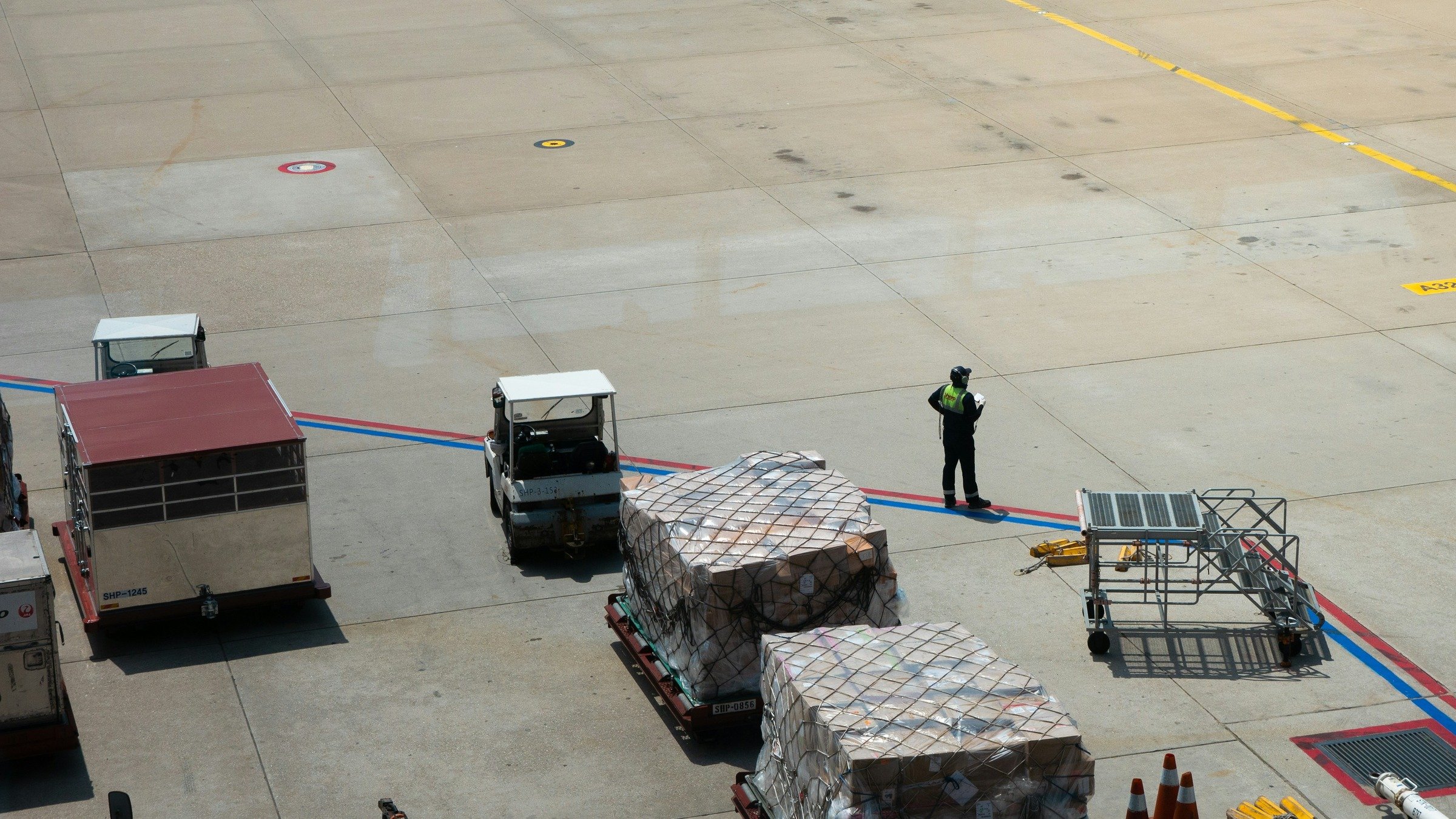
Air cargo in September: demand +6% and ever shorter contracts
FRIDAY, 2 OCTOBER 2026
According to Xeneta, global demand grows 6% year on year and spot rates rise to 3.10 dollars per kilo. Six out of ten new contracts last three months or less.
Air cargo in September confirmed growing demand and rising prices: according to data from analytics firm Xeneta, global volumes rose 6% year on year and spot rates averaged 3.10 dollars per kilo. The most useful signal for importers, however, concerns contracts: six out of ten new agreements signed in the third quarter last three months or less.
Air cargo figures for September
Capacity grew by only 2%, less than demand. The imbalance pushed up Xeneta's dynamic load factor, the indicator measuring how much of the available capacity is actually used, by volume and by weight.
- Global air cargo demand: +6% in September 2026 compared with September 2025.
- Capacity offered: +2% year on year in September 2026.
- Dynamic load factor in September: 62%, up two percentage points.
- Global average spot rate in September: 3.10 dollars per kilo, +27% year on year and +2% compared with August.
- China to Western Europe spot rate in September: 4.26 dollars per kilo, +10% in one month.
On the other routes to Europe, the spot rate from Northeast Asia rose 5% in one month, to 4.74 dollars per kilo, and from Southeast Asia by 3%.
Why contracts are getting shorter
The sharpest change concerns the way companies buy capacity. In the third quarter of 2026, contracts of three months or less accounted for 60% of new agreements, against 25% in the same period of 2025. Twelve-month deals fell from 40% to 25%, and those longer than twelve months almost disappeared, at 3%.
Xeneta links the shift to uncertainty over costs: Brent crude rose above 100 dollars a barrel in early September because of tensions in the Middle East, and jet fuel costs roughly double its pre-conflict level. With costs this volatile, according to Niall van de Wouw, Xeneta's head of air freight, a one-year fixed-price deal does not fit current conditions: companies are looking for floating price mechanisms that follow the market.
What it means for importers
The figure does not say that rates will keep rising: Xeneta itself expects a muted final quarter, with October signals not pointing to a strong peak season. It does, however, point to a market in which a price fixed today may not hold in three months, in either direction.
Three useful steps. For recurring air shipments, ask your forwarder for quotes with an adjustment formula linked to fuel or to a market index, instead of a fixed annual price on which the carrier tends to add a safety margin. For urgent orders from China, budget for a rate of around 4.26 dollars per kilo and assess whether part of the goods could travel by sea. And review every quarter the ratio between transport cost and the value of the goods: for light, high-value items air remains worthwhile, for heavy, low-value products the margin is eaten up quickly.
A shorter market, not just a more expensive one
The overall reading is of a market that remains tight on capacity and is shifting price risk towards shorter agreements. For importers it is worth treating contract length as a variable to negotiate, just like the rate, and always asking how the price is updated during the period.
With La Merce, an air shipment from China to Europe is quoted starting from the September rate of 4.26 dollars per kilo and with a fuel adjustment clause, because today six out of ten new contracts last three months or less.
Sources
Independent checks on the figures cited, verified in-house.
- Xeneta — Shippers Seek Airfreight Rates 'Floating Mechanisms' Before Committing to Long-Term Capacity as Demand Grows +6% Year-on-Year in September
- Air Cargo News — Xeneta: Shippers want short-term deals as demand squeezes capacity
- IndexBox — Air Cargo Demand Extends Gains as Shippers Favour Flexible Contracts
Read related articles

Asia-Europe container rates: twelve weeks of decline, Shanghai-Genoa at 3,702 dollars

Container connectivity at Italian ports: Genoa, Gioia Tauro and La Spezia decline
Sicily truck stoppage from 16 to 20 October: how to protect deliveries

Pinglu Canal: 560 kilometres less to reach the sea
New Maersk container ships: 26 units delivering from 2029
Diesel price at 2026 highs: what reaches your deliveries

Suez transits: the return is mostly on voyages back to Asia
Four Gemini services return to the Suez Canal: what changes for Ligurian ports
Congestion at Chinese ports: ten-day waits before Golden Week

Ten-T corridor delays Italy: Confetra's warning on Brenner and Terzo Valico

Panama Canal draft restrictions: Neopanamax cut postponed

Shanghai-Genoa container rates down 10%: what changes for those importing from China

Demurrage and detention charges disputed: Samsung seeks $186 million from CMA CGM at the FMC

Back to Suez: transits up 36% in August, but the route is only halfway there
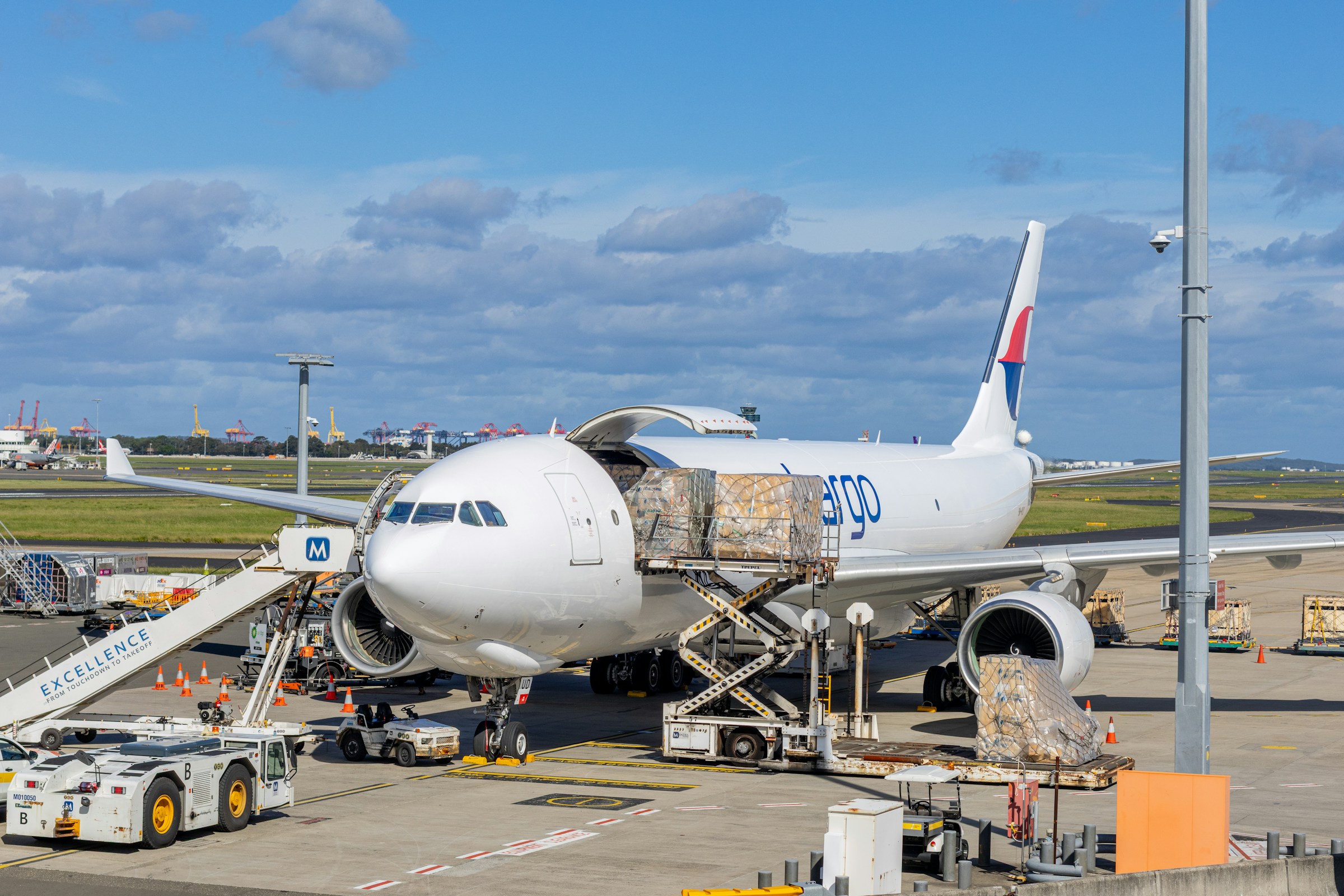
China-Europe air cargo: the decline stops, what changes for importers

Goodbye to the €150 exemption: the EU parcel duty rewrites the rules of e-commerce imports

Air freight: when cargo takes flight, every detail counts

MSC is about to buy up ports around the world for 23 billion dollars

Incoterms: the basics of international trade
Hyper-depreciation or tax credits: what the UPB says about machinery incentives
China's manufacturing PMI at 50.1: factory costs and prices rise

European 301 tool against China: what we know and what we don't

Digital DeCA in Spain from 5 October: what changes for road freight

Industrial profits in China: +15.7%, but clothing and furniture fall

Extra-EU imports in August: +17.2%, from China +16%

US-China tariffs cut on 30 billion: what changes for buyers in China

Transport packaging rules and the PPWR: 40% reusable by 2030

Industrial robots in China: 354,000 installed in 2025, 59% of the world

Leather excluded from the EUDR: what changes for importers from 7 October
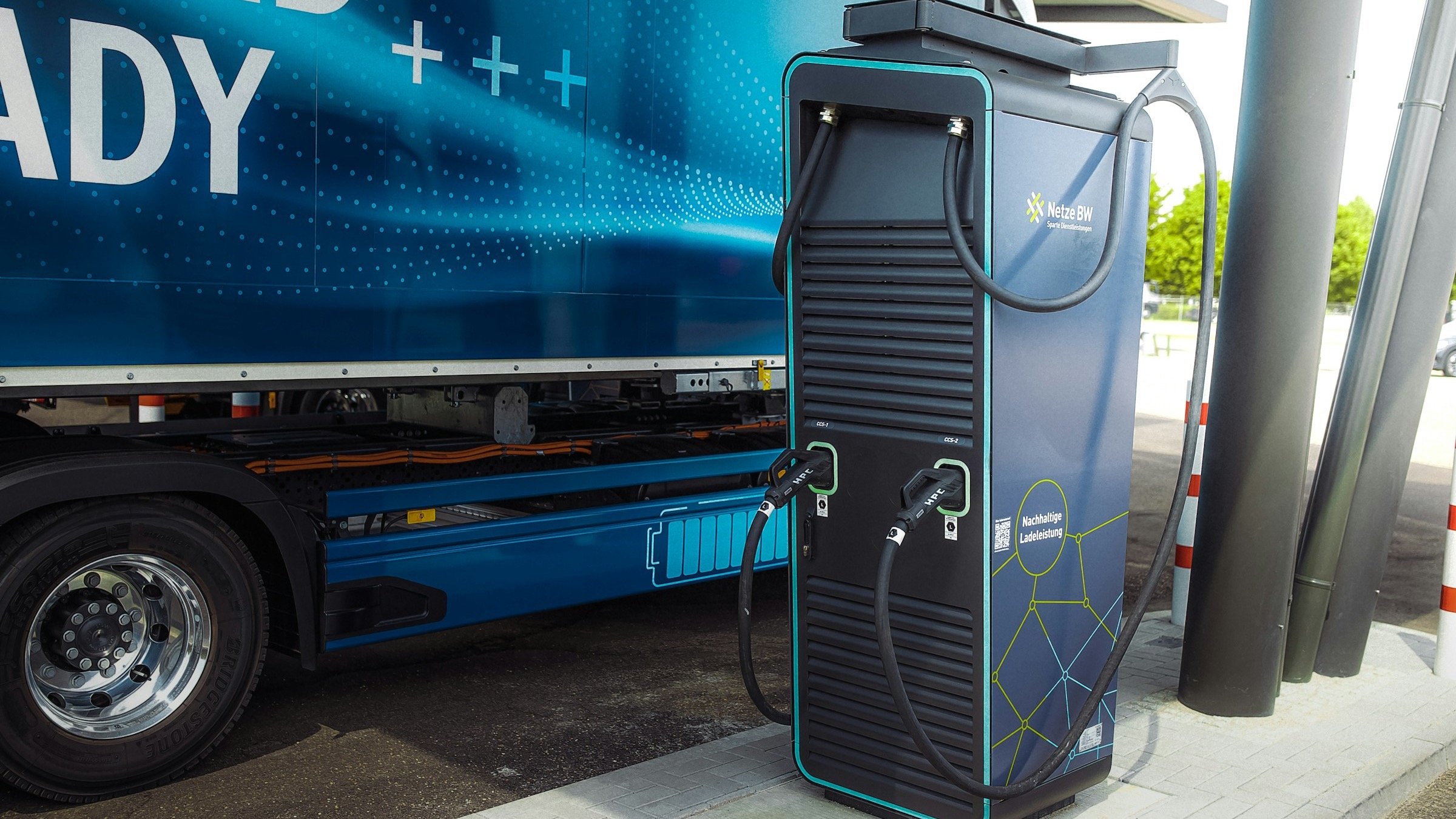
Chinese trucks assembled in Europe: the Steyr plant in Austria

Supply chain risk monitoring: only 20% do it continuously

EU customs reform: what changes now and what in 2028

Costume jewellery imported from China: 49,512 items stopped in Genoa

Italian stone exports: value up, volumes down

European steel protection and the bill for those who transform it

The Italian small parcels tax is postponed to 30 November

China's electronics five-year plan: 30 trillion yuan by 2030
German import VAT reform: less cash tied up at the port

Italian exports in the second quarter of 2026: what the +7.9% really says
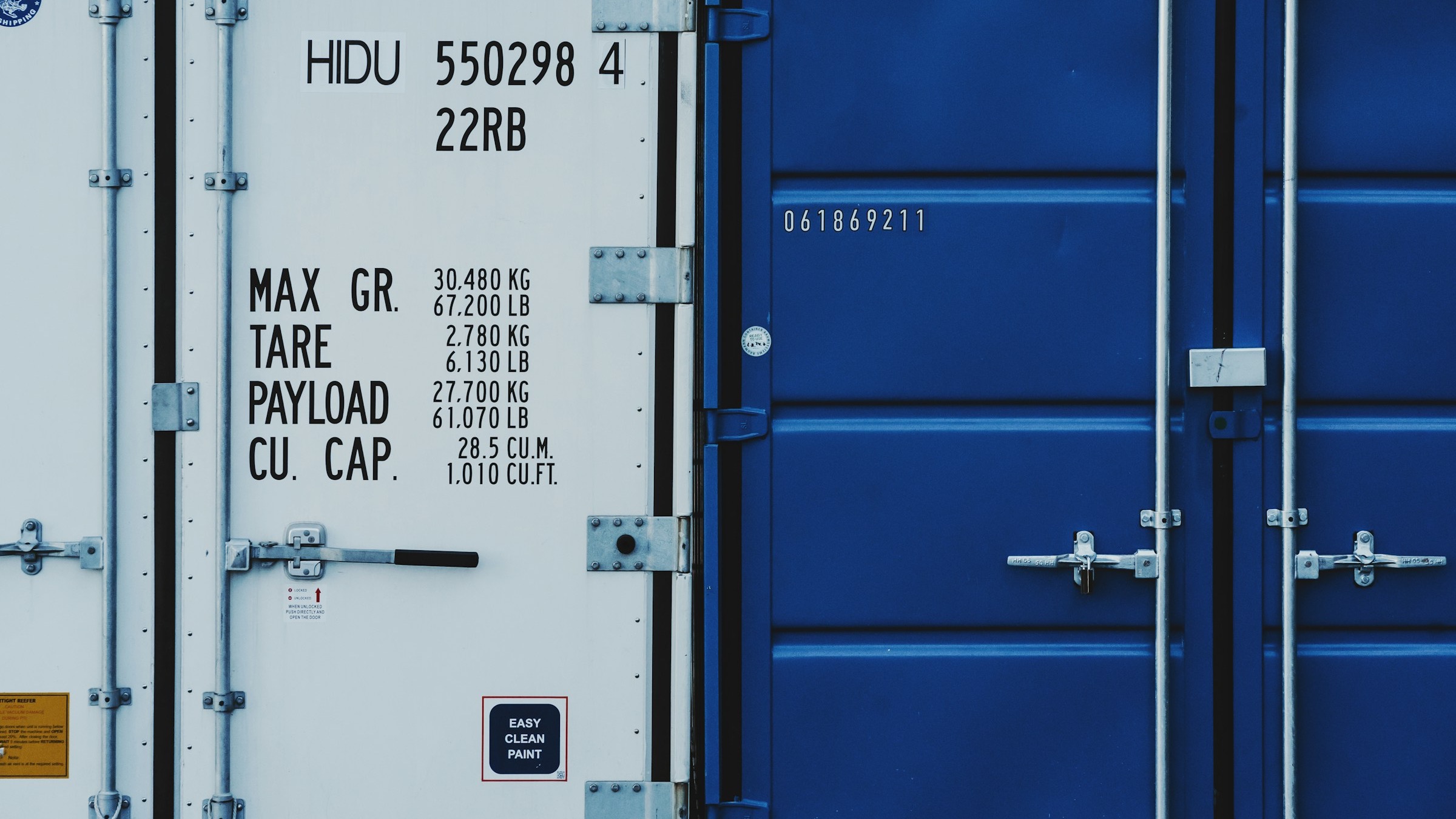
Container inspections: deficiencies in more than one unit in ten

Digital customs in Norway: with Digitoll, who reports what changes
Italian hyper-depreciation: confirmation due 60 days after approval

China producer prices are rising: what changes for buyers

European preference in public procurement: bids below 50% can be rejected

Lithium batteries in containers: thousands travel undeclared

WTO barometer: world trade is growing, but containers fall below trend
Fashion imports from China down 8.1%: what the figure says about suppliers

SVHC substances and importer obligations: the list rises to 253 entries
Hyper-amortisation and foreign machinery: the Made in EU rule is dropped

Chinese exports to Europe: just +6.6% while the rest of the world races ahead

Steel imports: "melt and pour" traceability starts on 1 October

Beyond the electric car: China's new export wave of robots, AI and medicines

Steel: EU 50% tariff and new origin rules — what changes for importers

Customs checks on electronics imports: how to avoid penalties and optimise compliance

The Bialetti Moka changes hands: one of Italy's most iconic objects becomes Chinese

Import-export of jewellery and precious metals: what Italian law really says

How much does China really export? Figures and opportunities of the trade giant

OEM vs ODM: two key acronyms for creating a product under your own brand

The 5 questions we always ask our suppliers