
How much does Chinareally export? Figures and opportunities of the trade giant
TUESDAY, 18 FEBRUARY 2025
In 2024 Chinese exports reached 3.47 trillion dollars (+7.1%), driven by electronics, machinery and electric vehicles. What it means for import-export.
In the dynamic world of international trade, understanding China's export performance is essential for companies operating in import-export. As the leading global exporter, China influences supply chains, market trends and competitive strategies. In 2024 Chinese exports reached 25.45 trillion yuan (about 3.47 trillion dollars), growing by 7.1% compared with the previous year.
Total value and growth
According to data from the General Administration of Customs, the 7.1% growth highlights the country's ability to maintain a dominant position despite geopolitical and economic challenges. It was supported by strong international demand and by policies that favour the expansion of production capacity, such as state bank credit directed at the manufacturing sector.
Driving sectors
China's exports in 2024 were driven by high value-added sectors. Electronics — smartphones, semiconductors, consumer devices — remains a pillar. Machinery, both industrial and for domestic use, continues to meet global demand. Electric vehicles (EVs) are expanding rapidly: China dominates the production of EVs, batteries and chemical battery components, controlling the entire supply chain.
The main trading partners
Towards the United States, Chinese exports reached around 438.95 billion dollars in 2024, slightly down from the 502 billion of 2023, but with a still solid trade relationship. The European Union is the second partner after ASEAN, with 560.36 billion dollars (about 518 billion euros): Germany, France and Italy among the main destinations. In Italy, Chinese exports reached 60 billion euros, with growth in the technology and automotive segments, in particular components for electric vehicles.
Trends and implications
The rise of electric vehicles signals a shift towards sustainable technologies that will influence global trade patterns. The slight reduction towards the United States suggests a recalibration of relations, influenced by tariffs and geopolitical dynamics; on the contrary, the robust performance towards the EU and Italy underlines their strategic importance. For import-export companies, understanding these trends makes it possible to identify reliable suppliers, anticipate market changes and build solid partnerships.
With La Merce, buying from a country that exports 3.47 trillion dollars means narrowing the field: suppliers are selected by product category and verified on site, because in a market that size the difficulty is not finding one, it is choosing.
Sources
Independent checks on the figures cited, verified in-house.
Read related articles

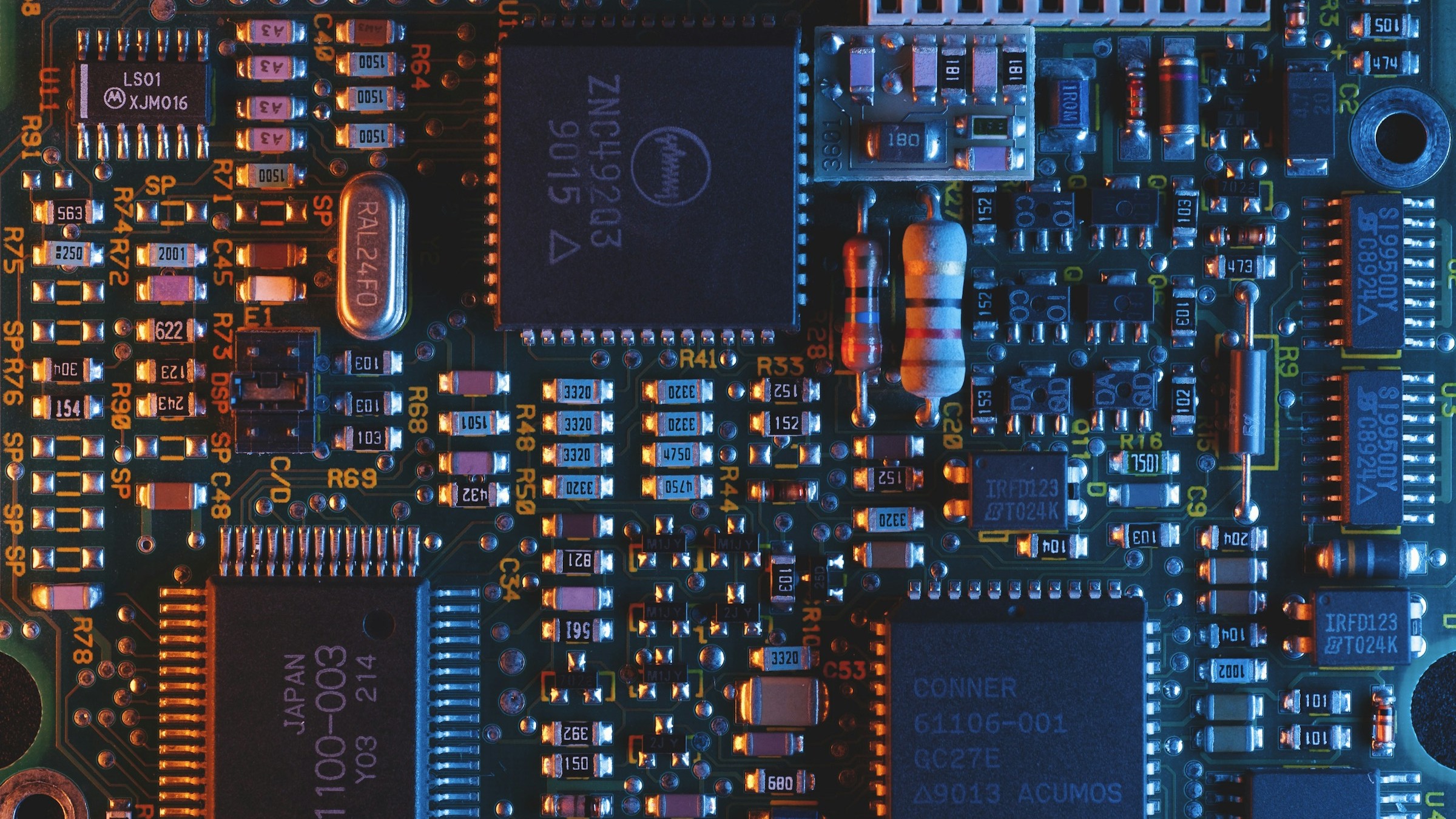
China producer prices are rising: what changes for buyers
WTO barometer: world trade is growing, but containers fall below trend
Fashion imports from China down 8.1%: what the figure says about suppliers
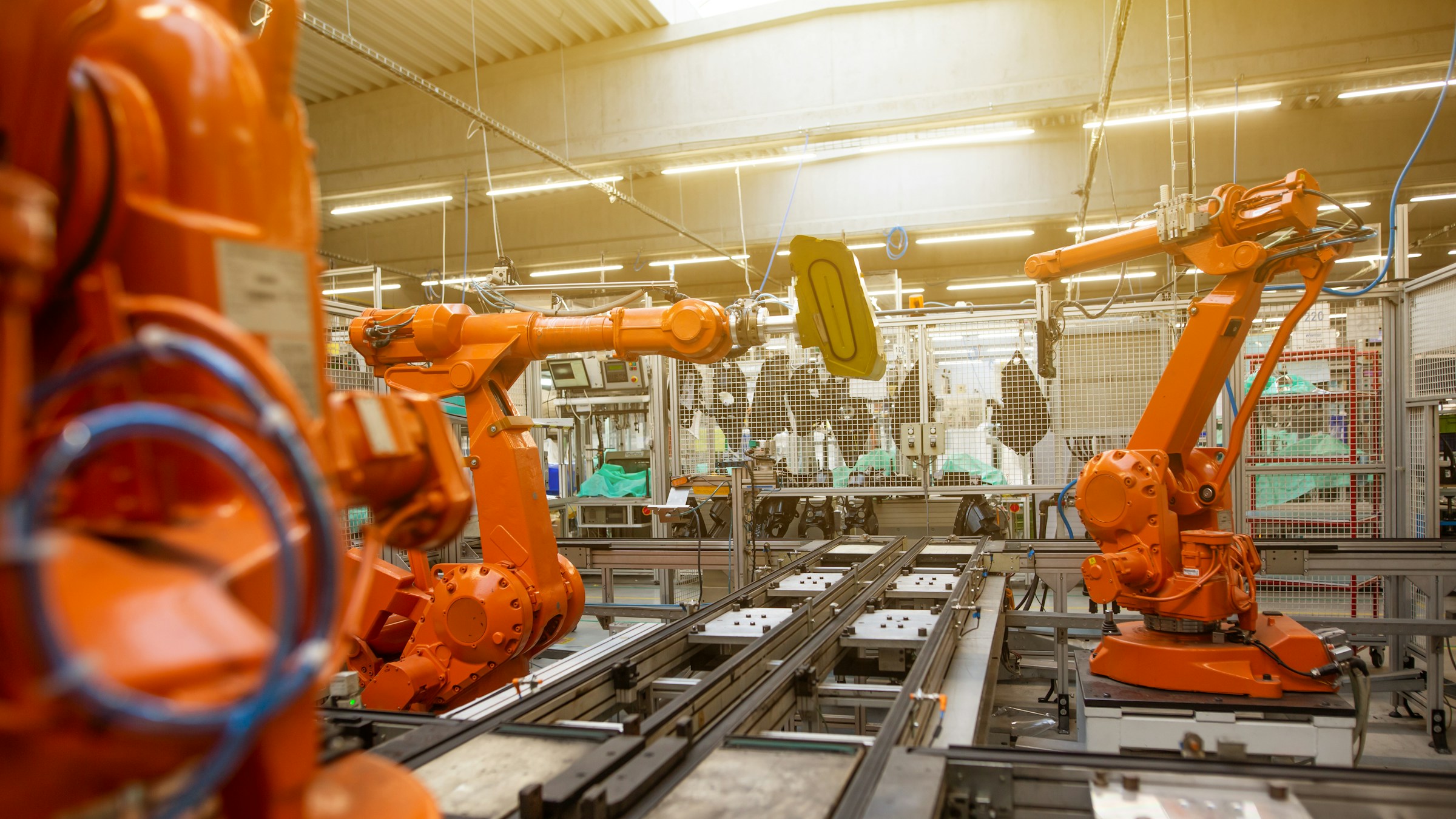
Chinese exports to Europe: just +6.6% while the rest of the world races ahead
Beyond the electric car: China's new export wave of robots, AI and medicines

The 5 questions we always ask our suppliers
Italian hyper-depreciation: confirmation due 60 days after approval

European preference in public procurement: bids below 50% can be rejected

Lithium batteries in containers: thousands travel undeclared
Congestion at Chinese ports: ten-day waits before Golden Week

SVHC substances and importer obligations: the list rises to 253 entries
Hyper-amortisation and foreign machinery: the Made in EU rule is dropped

Ten-T corridor delays Italy: Confetra's warning on Brenner and Terzo Valico

Panama Canal draft restrictions: Neopanamax cut postponed

Shanghai-Genoa container rates down 10%: what changes for those importing from China

Demurrage and detention charges disputed: Samsung seeks $186 million from CMA CGM at the FMC

Back to Suez: transits up 36% in August, but the route is only halfway there
Steel imports: "melt and pour" traceability starts on 1 October
China-Europe air cargo: the decline stops, what changes for importers
Goodbye to the €150 exemption: the EU parcel duty rewrites the rules of e-commerce imports

Steel: EU 50% tariff and new origin rules — what changes for importers
Air freight: when cargo takes flight, every detail counts

Customs checks on electronics imports: how to avoid penalties and optimise compliance

The Bialetti Moka changes hands: one of Italy's most iconic objects becomes Chinese

MSC is about to buy up ports around the world for 23 billion dollars

Import-export of jewellery and precious metals: what Italian law really says
OEM vs ODM: two key acronyms for creating a product under your own brand

Incoterms: the basics of international trade