WTO barometer: world trade is growing, but containers fall below trend
SATURDAY, 12 SEPTEMBER 2026
The World Trade Organization leading indicator rises to 102.0, driven by electronics at 104.9, while container shipping slips to 99.6.
The WTO barometer on world goods trade has risen to 102.0, but inside that number there is a divergence that matters more than the aggregate: the container shipping index is the only one to have fallen below the baseline. Goods are moving, containers slightly less so.
The WTO barometer: what it measures about world trade
The Goods Trade Barometer is the composite leading indicator the World Trade Organization publishes to estimate how goods trade is moving before official statistics arrive. It is built as a weighted average of six sector indices: export orders, air freight, container shipping, automotive products, raw materials and electronic components.
The baseline is 100. Above that value volumes are growing faster than the medium-term trend, below it they are growing more slowly. It is not a measure of how much trade takes place in absolute terms, but of how far it departs from its own usual pace: a detail that changes how to read it.
The figures of this reading
The reading released on 9 September from Geneva stands at 102.0, against 101.7 in the previous one.
- Overall barometer: 102.0, up from 101.7 in the previous reading
- Electronic components: 104.9, the highest value among the components
- Container shipping: 99.6, the only index below the baseline
- The same container index in the previous reading: 102.4
- Baseline separating growth above and below trend: 100
The container move is the sharpest: 2.8 points lower, taking it from comfortably above trend to slightly below. All the other components remain at or above 100.
The divergence between electronics and containers
The World Trade Organization attributes the overall resilience to demand for electronic components and other goods tied to investment in artificial intelligence, which partly offsets the negative effect of the conflict in the Middle East.
It is worth pausing on what the figure says and what it does not. The barometer measures volumes against trend, not causes: it says electronics are growing faster than their usual pace and containerised volumes more slowly than theirs, it does not explain why. Several hypotheses are possible — high-value goods travelling by air, route repositioning, calendar effects at the ports surveyed — and the index does not allow one to be chosen over the others.
What the figure does signal, fairly clearly, is that this year global trade is not moving as a block. Those buying electronics and those shipping container volumes are looking at two different curves.
What to check if you buy abroad
The first point concerns electronics and components. An index at 104.9 describes demand running faster than trend, and demand that runs rarely leaves prices and lead times unchanged. It is worth asking suppliers for written confirmation of lead times on codes containing semiconductors or boards, instead of assuming those of the last order still hold.
The second concerns freight rates and capacity. A container index just below trend is not a crisis, but it is a change of direction from the previous reading: if you are negotiating transport contracts for the coming months, it is one more element to put on the table, alongside weekly spot rate data.
The third is the simplest and the most neglected: keeping the two levels apart. Growth in world trade does not guarantee that your sector is growing, and a barometer above 100 says nothing about an individual supplier. The figure frames the context, it does not replace checking on the ground.
With La Merce, reading the WTO barometer on world trade means turning it into concrete questions for the supplier: written confirmation of lead times on electronic codes, where demand is running at 104.9, and verification of transport capacity when the container index falls below trend.
Sources
Independent checks on the figures cited, verified in-house.
- Business Recorder — Global goods trade strengthening: WTO
- Economy Middle East — WTO goods trade barometer climbs to 102 as AI demand keeps global trade resilient
- Global Trade Magazine — Global merchandise trade gains momentum despite tariffs and Middle East tensions, WTO says
- Dawn — Global goods trade continues to grow: World Trade Organisation
Read related articles
China producer prices are rising: what changes for buyers
Fashion imports from China down 8.1%: what the figure says about suppliers

Chinese exports to Europe: just +6.6% while the rest of the world races ahead
Beyond the electric car: China's new export wave of robots, AI and medicines

How much does China really export? Figures and opportunities of the trade giant

The 5 questions we always ask our suppliers
Italian hyper-depreciation: confirmation due 60 days after approval

European preference in public procurement: bids below 50% can be rejected

Lithium batteries in containers: thousands travel undeclared
Congestion at Chinese ports: ten-day waits before Golden Week

SVHC substances and importer obligations: the list rises to 253 entries
Hyper-amortisation and foreign machinery: the Made in EU rule is dropped

Ten-T corridor delays Italy: Confetra's warning on Brenner and Terzo Valico
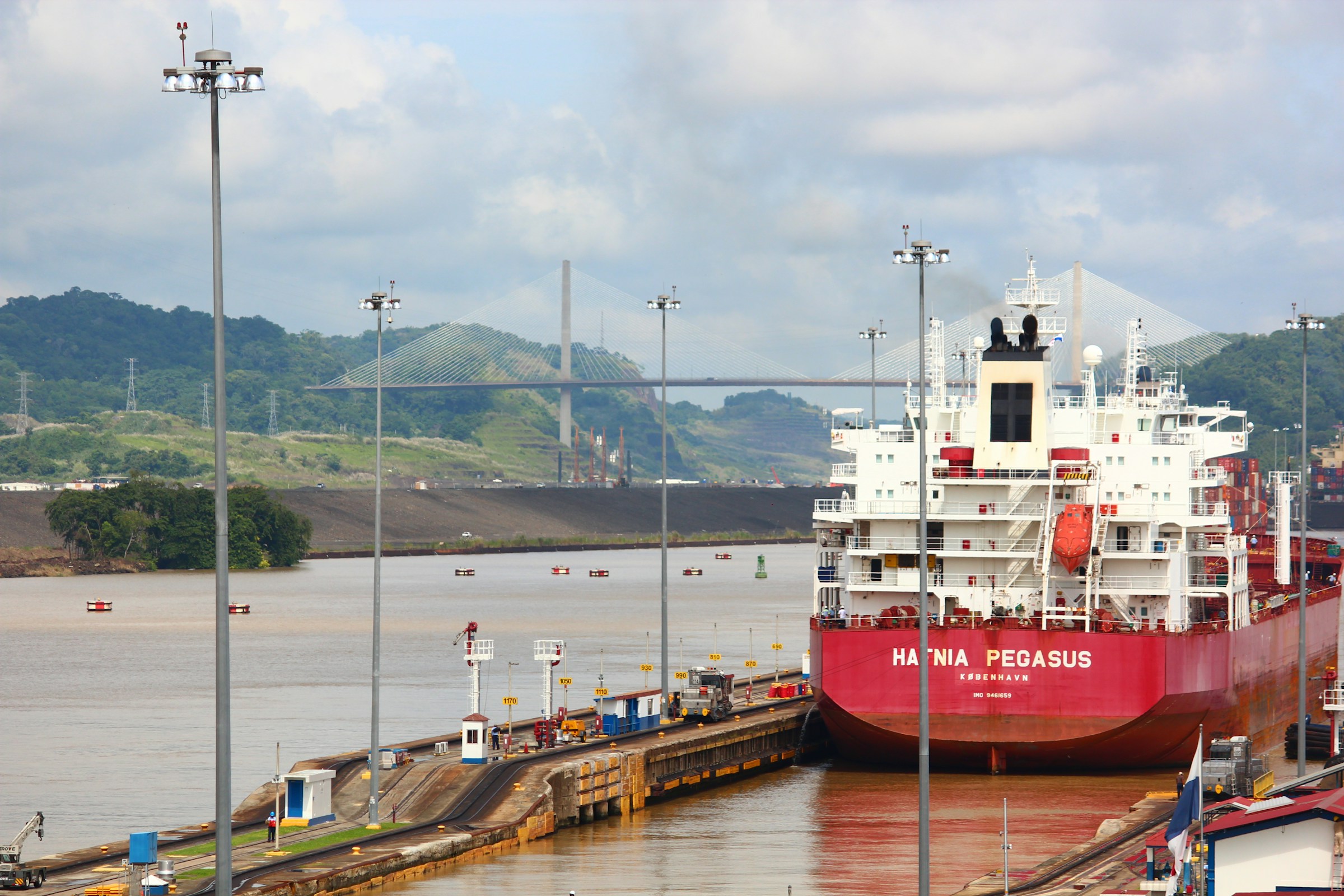
Panama Canal draft restrictions: Neopanamax cut postponed

Shanghai-Genoa container rates down 10%: what changes for those importing from China

Demurrage and detention charges disputed: Samsung seeks $186 million from CMA CGM at the FMC

Back to Suez: transits up 36% in August, but the route is only halfway there
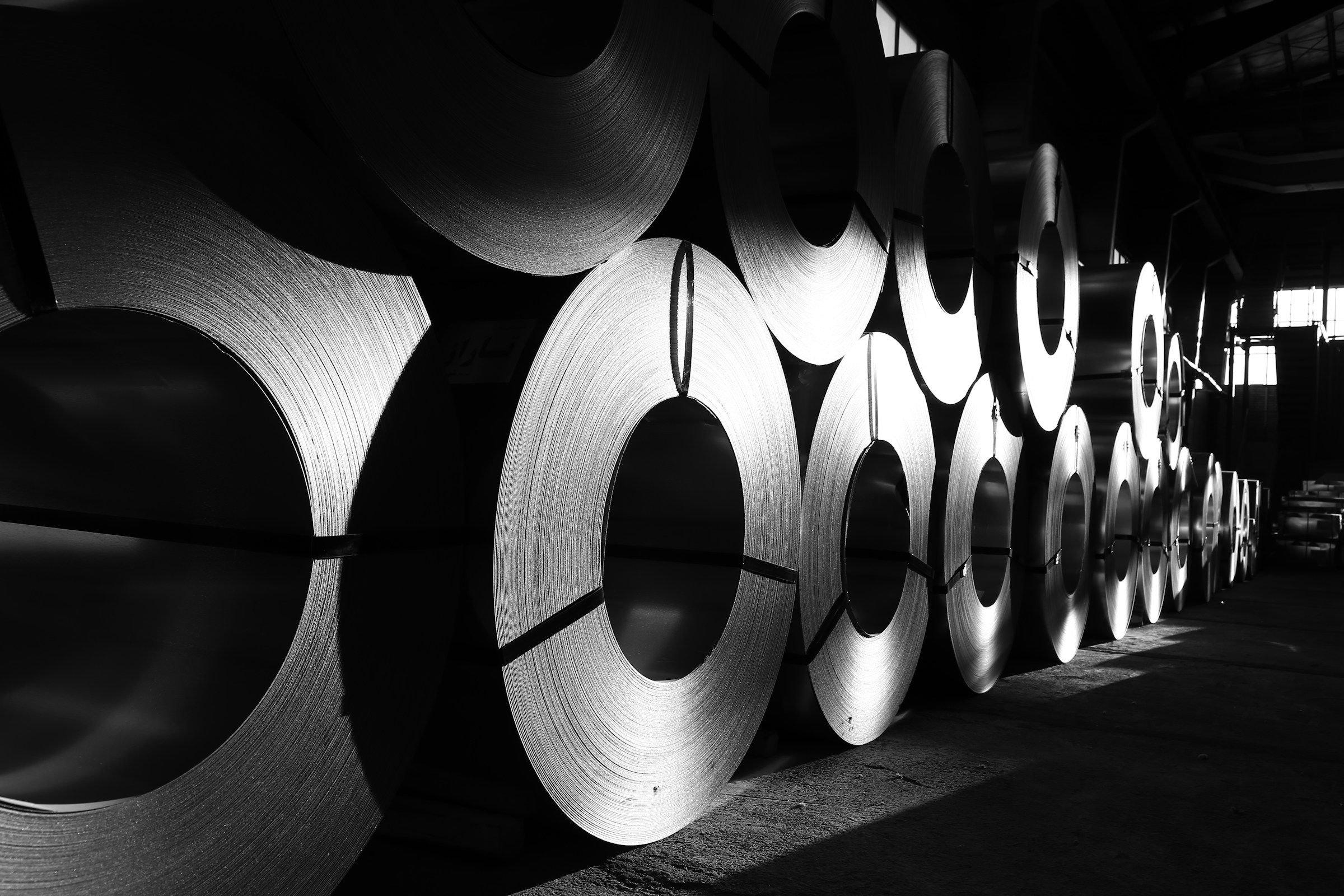
Steel imports: "melt and pour" traceability starts on 1 October
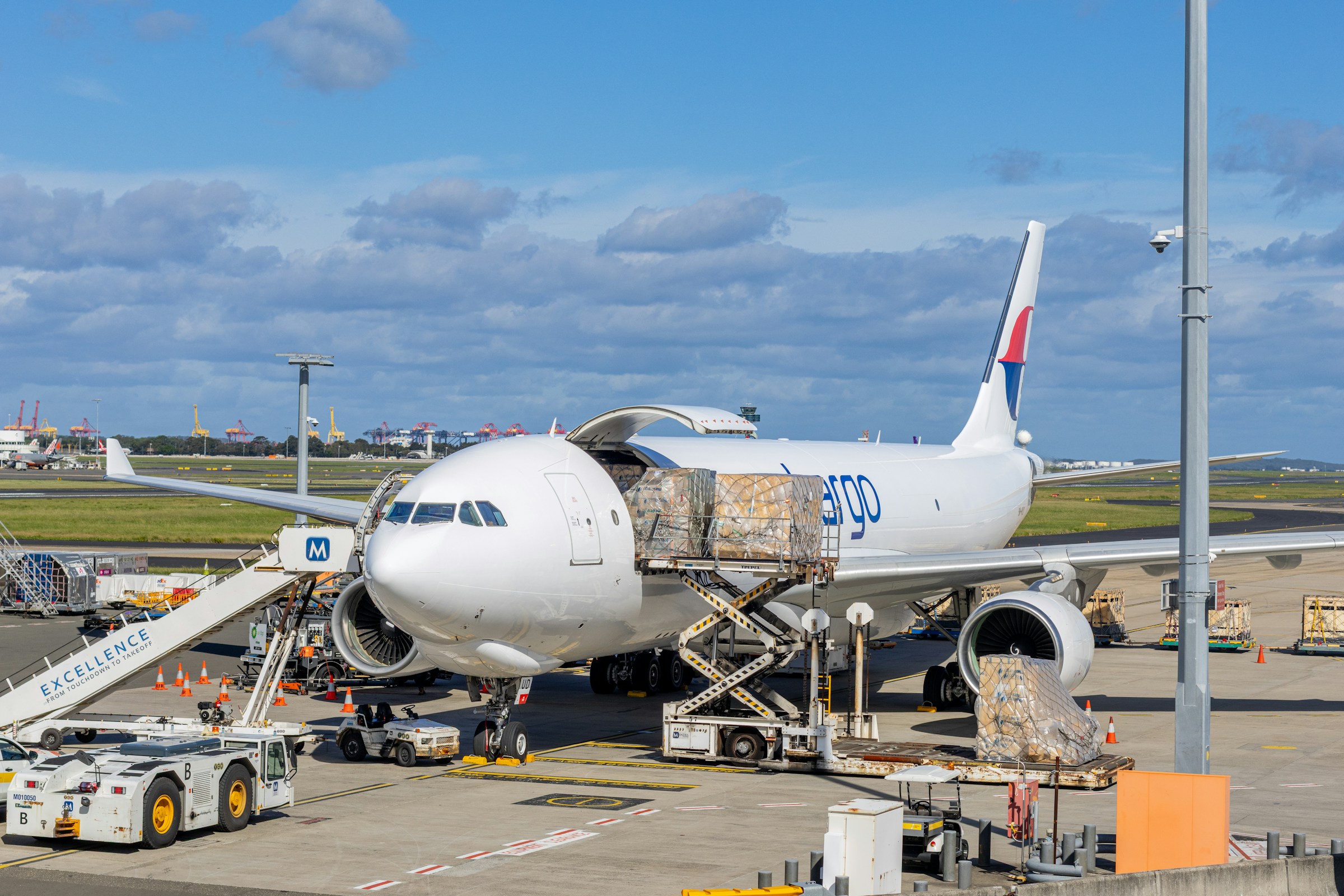
China-Europe air cargo: the decline stops, what changes for importers
Goodbye to the €150 exemption: the EU parcel duty rewrites the rules of e-commerce imports
Steel: EU 50% tariff and new origin rules — what changes for importers
Air freight: when cargo takes flight, every detail counts
Customs checks on electronics imports: how to avoid penalties and optimise compliance
The Bialetti Moka changes hands: one of Italy's most iconic objects becomes Chinese
MSC is about to buy up ports around the world for 23 billion dollars

Import-export of jewellery and precious metals: what Italian law really says
OEM vs ODM: two key acronyms for creating a product under your own brand
Incoterms: the basics of international trade