Import-export of jewellery and precious metals: what Italian law
MONDAY, 31 MARCH 2025
The sale of precious-metal jewellery in Italy is governed by Legislative Decree 251/1999: fineness in thousandths, an identification mark and different rules for import and export.
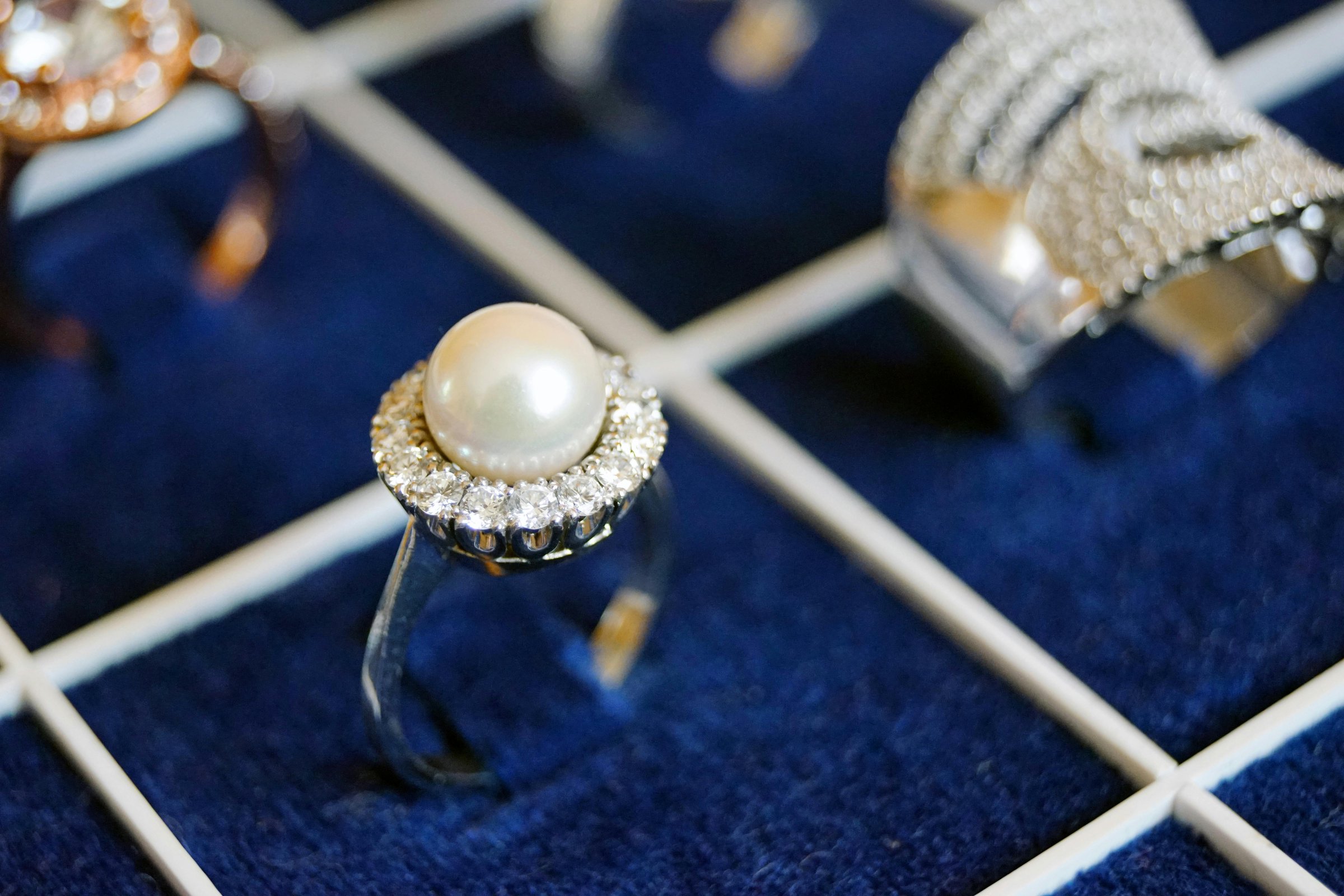
The Italian goldsmithing industry, renowned for its craftsmanship and product quality, is subject to strict regulations that guarantee transparency and safety for consumers. The sale of jewellery in precious metals — gold, silver, platinum and palladium — requires compliance with precise obligations, set out mainly in Legislative Decree 251/1999.
Selling in Italy
The sale of precious-metal jewellery in Italy is governed by Legislative Decree 251/1999, which imposes two fundamental requirements: stating the legal fineness of the metal, expressed in thousandths (for example 750 for 18-carat gold), and applying an identification mark registered with the Chambers of Commerce. Without these details, the sale is prohibited, protecting consumers against potential fraud.
Imports and exports
Imports follow different rules depending on their origin. For products from the European Union or the European Economic Area, Article 5 of Legislative Decree 251/1999 allows marketing without the importer's mark, provided the piece bears a fineness in thousandths and an equivalent responsibility mark. For non-EU jewellery, it is instead mandatory to include the fineness in thousandths, the foreign producer's mark and that of the Italian importer. Exceptions apply for nations with mutual recognition agreements, such as Switzerland.
Since 15 December 2023, Italy's accession to the Vienna Convention on the control of precious metals has marked a turning point for exports: companies can apply the Common Control Mark through the laboratories of the Chambers of Commerce of Alessandria-Asti, Arezzo-Siena and Vicenza. Recognised in 21 member states, the mark certifies compliance with international standards, simplifying access to foreign markets.
The 2025 changes on gold
From 17 January 2025, Legislative Decree 211/2024 — in line with EU Regulation 2018/1672 — introduces stricter obligations for gold transactions. Transactions of 10,000 euro or more must be declared to the Financial Intelligence Unit; even single operations of at least 2,500 euro that, when added to others in the same month with the same counterparty, exceed 10,000 euro require a declaration. These measures aim to improve traceability and to combat money laundering.
The Italian goldsmithing market
The goldsmithing sector is a pillar of the national economy, with a turnover of around 13.22 billion euros in 2022 and a projection of 15 billion by 2025. Exports, equal to around 87.6% of production, reached 7.7 billion euros in 2023, with estimates of 8.44 billion for 2025. Districts such as Arezzo, Valenza and Vicenza lead production, with over 5,000 active companies and around 22,000 workers. Italy confirms its position as the world's second-largest exporter of jewellery, with its main markets in Europe, North America and Asia/the Middle East.
Italian regulation combines tradition and innovation, guaranteeing high standards of quality and transparency. With a turnover forecast of 15 billion euros in 2025 and a strong presence in exports, the goldsmithing sector continues to shine as a symbol of Made in Italy.
With La Merce, importing precious metal jewellery means verifying fineness in thousandths and the identification mark before the order: Legislative Decree 251/1999 allows no regularisation once the goods have arrived.
Sources
Independent checks on the figures cited, verified in-house.
Read related articles

European preference in public procurement: bids below 50% can be rejected
Steel imports: "melt and pour" traceability starts on 1 October

Steel: EU 50% tariff and new origin rules — what changes for importers

Customs checks on electronics imports: how to avoid penalties and optimise compliance
Italian hyper-depreciation: confirmation due 60 days after approval

China producer prices are rising: what changes for buyers

Lithium batteries in containers: thousands travel undeclared
Congestion at Chinese ports: ten-day waits before Golden Week
WTO barometer: world trade is growing, but containers fall below trend
Fashion imports from China down 8.1%: what the figure says about suppliers

SVHC substances and importer obligations: the list rises to 253 entries
Hyper-amortisation and foreign machinery: the Made in EU rule is dropped

Chinese exports to Europe: just +6.6% while the rest of the world races ahead

Ten-T corridor delays Italy: Confetra's warning on Brenner and Terzo Valico

Panama Canal draft restrictions: Neopanamax cut postponed

Shanghai-Genoa container rates down 10%: what changes for those importing from China

Demurrage and detention charges disputed: Samsung seeks $186 million from CMA CGM at the FMC

Back to Suez: transits up 36% in August, but the route is only halfway there

China-Europe air cargo: the decline stops, what changes for importers

Goodbye to the €150 exemption: the EU parcel duty rewrites the rules of e-commerce imports
Beyond the electric car: China's new export wave of robots, AI and medicines

Air freight: when cargo takes flight, every detail counts
The Bialetti Moka changes hands: one of Italy's most iconic objects becomes Chinese

MSC is about to buy up ports around the world for 23 billion dollars

How much does China really export? Figures and opportunities of the trade giant
OEM vs ODM: two key acronyms for creating a product under your own brand

The 5 questions we always ask our suppliers

Incoterms: the basics of international trade