EU China trade deal: fewer hybrids and lower tariffs on €4 billion
MONDAY, 12 OCTOBER 2026
Sixteen understandings in Beijing: Chinese hybrid exports cut against projections, lower Chinese tariffs on olive oil, footwear and car parts, faster licences for rare earths and magnets.
The EU China trade deal reached in Beijing on 8 and 9 October is not a treaty yet: it is a package of 16 "shared understandings". The three main ones cover fewer Chinese hybrid cars heading to Europe, lower Chinese tariffs on some European products and faster export licences for rare earths and magnets.
What the EU China trade deal includes
The package came out of the second meeting of the trade and investment consultation mechanism, chaired by EU Trade Commissioner Maroš Šefčovič and Chinese Commerce Minister Wang Wentao. The 16 points cover four chapters: rebalancing trade and investment, export controls, intellectual property and reform of the World Trade Organization. Šefčovič called it "a crucial first step, but only a first step".
These are the figures released so far:
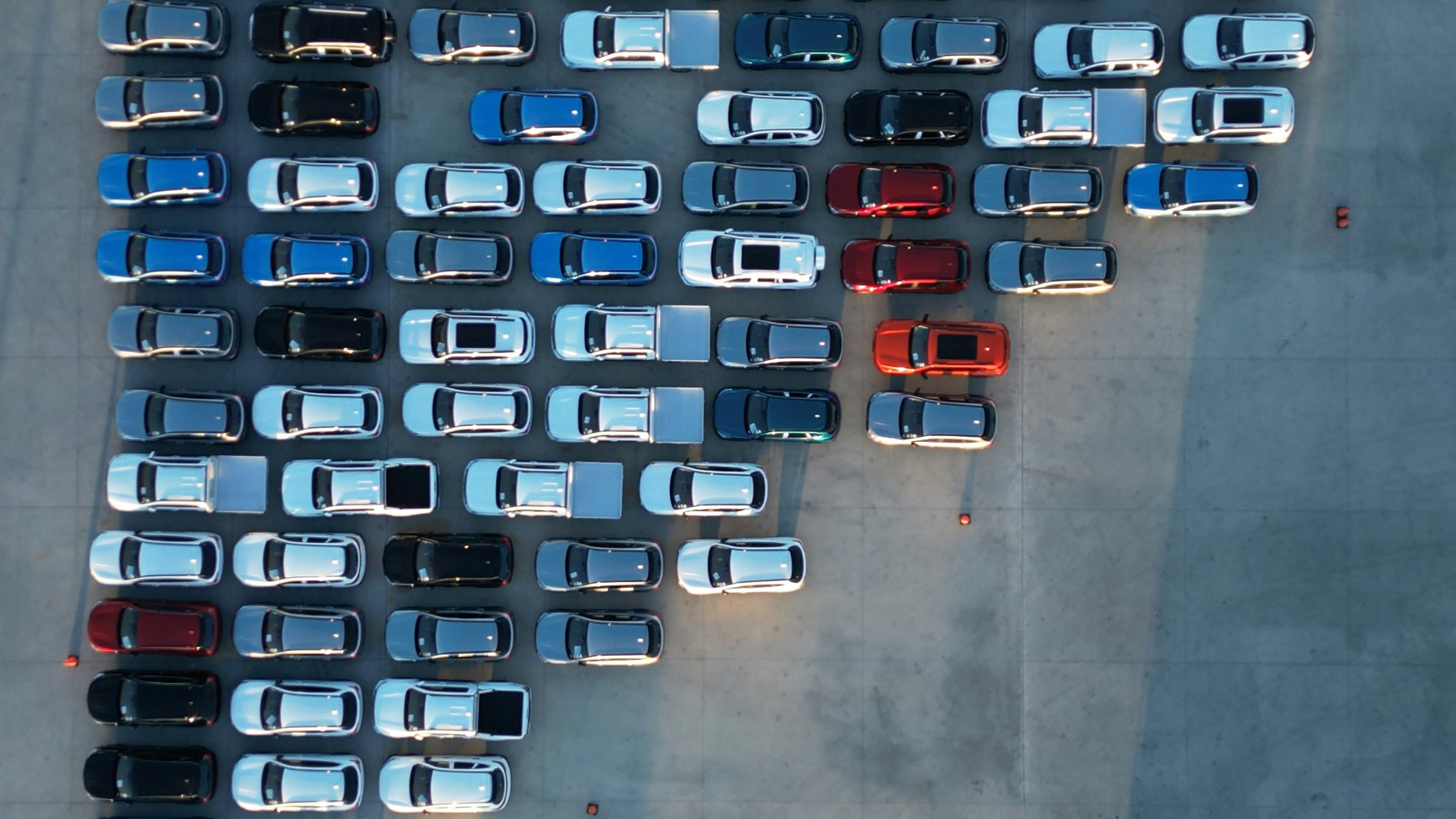
- Chinese exports of hybrid and plug-in hybrid cars to the EU: about 50,000 a month in July 2026, up from a few thousand a month in late 2024.
- Share of Chinese brands in Europe in the first half of 2026: 14% of hybrids and 25% of plug-in hybrids, up from 2% in 2024.
- Reduction put forward by Brussels: more than half of the hybrid exports projected over the next four years, compared with a no-action scenario.
- Lower Chinese tariffs under study on European products such as car parts, olive oil and footwear: nearly €4 billion of current exports and at least €225 million in duties saved.
- EU trade deficit with China in 2025: about €360 billion.
The hybrid reduction is calculated on projected growth, not on today's volumes: according to Šefčovič it keeps "several million" vehicles out over four years. The joint statement released by China's commerce ministry confirms an understanding on hybrid trade, but gives neither figures nor a mechanism.
Hybrid cars: why the issue reached the table
Since October 2024, battery electric cars made in China have paid additional countervailing duties, which do not apply to hybrids. Hybrids and plug-in hybrids pay only the standard 10% duty on passenger cars, and Chinese exports shifted towards those models. The two sides agreed to "moderate" Chinese shipments in a way consistent with WTO rules; the technical details have not been published. For battery electric cars, work continues on price undertakings, the alternative to duties that the EU can accept from individual manufacturers.
Rare earths and magnets: the green channel
For anyone buying in China, the third point is the most concrete. Both sides committed to facilitating Chinese export licences for rare earths and permanent magnets to Europe through a fast-track procedure, the so-called green channel, to make supply more predictable. In return the EU will work with member states on priority licences for dual-use goods bound for China and give advance notice of changes to its control lists. A technical dialogue on the EU Foreign Subsidies Regulation is also planned.
What it means for importers
None of these measures is in force today. The new Chinese tariffs are still being "explored", the green channel has no published timeline and hybrid volumes are still to be defined. The understandings therefore change neither the tariffs nor the paperwork of a shipment leaving this week.
The picture does, however, point to some useful checks:
Anyone importing components with neodymium magnets, such as electric motors, speakers, earbuds or small appliances, can ask the supplier whether it has already had delays on export licences and whether the simplified procedure applies to it. The licensing news does not say how fast approvals will be, but suggests it is worth keeping magnet lead times under watch over the coming months.
Anyone exporting olive oil, footwear or car parts to China has reason to follow the list of products that will get the reduced tariff: on nearly €4 billion of sales, the European estimate is at least €225 million less in duties.
Anyone importing or distributing Chinese hybrid cars and vehicles should allow for a regime of controlled volumes: with 50,000 units a month and a reduction of more than half of expected growth on the table, price lists and availability could change once the details are known.
The next steps
Heads of state and government will assess the package at the European Council on 15 and 16 October; if they back it, the Commission will start the procedures. A ministerial video conference is scheduled for January 2027 and the third meeting of the mechanism for March 2027. Some economists point out that the understandings are worth a few billion euros against a deficit of about €360 billion, and that the decisive step will remain the technical text.
With La Merce, importers of products with magnets or electric motors check the status of export licences with their Chinese supplier before the European Council of 15 and 16 October, so they can plan orders and stock even if the green channel arrives later than expected.
Sources
Independent checks on the figures cited, verified in-house.
- Xinhua / gov.cn — China, EU reaffirm stable, balanced ties as key trading partners: commerce ministry
- EU Alive — Šefčovič returns from Beijing with limited hybrid cars and rare earths deal
- electrive — China agrees to limit hybrid exports to the EU
- Brussels Morning — EU-China Hybrid Car Deal: Major Trade Breakthrough
- Bushletter — China deal could more than halve hybrid car exports to Europe
- CnEVPost — EU readies tariffs on Chinese plug-in hybrids, report says
Read related articles
World trade forecast: WTO raises 2026 goods growth to 3.9%

European 301 tool against China: what we know and what we don't
Digital DeCA in Spain from 5 October: what changes for road freight

Leather excluded from the EUDR: what changes for importers from 7 October
EU customs reform: what changes now and what in 2028
The Italian small parcels tax is postponed to 30 November
German import VAT reform: less cash tied up at the port
Digital customs in Norway: with Digitoll, who reports what changes

European preference in public procurement: bids below 50% can be rejected
Steel imports: "melt and pour" traceability starts on 1 October
Steel: EU 50% tariff and new origin rules — what changes for importers

Customs checks on electronics imports: how to avoid penalties and optimise compliance

Import-export of jewellery and precious metals: what Italian law really says
Critical raw materials strategic projects: the EU picks 46, five in Italy
Container cost from China to Europe: every cost item and a worked example

Trademark registration grant: Italy's Marchi+ 2026 refunds up to 9,000 euros per trademark abroad

How to import from China to Europe: a step-by-step guide for businesses
After Golden Week: what to expect from Chinese factories and shipping

Truck stoppage in Calabria and Sicily: deliveries at risk from 9 to 20 October
China's battery plan: parts-per-billion defects by 2030

Sourcing by Italian SMEs: 86% domestic, but non-EU rises to 22%
Air cargo in September: demand +6% and ever shorter contracts
Hyper-depreciation or tax credits: what the UPB says about machinery incentives
China's manufacturing PMI at 50.1: factory costs and prices rise

Asia-Europe container rates: twelve weeks of decline, Shanghai-Genoa at 3,702 dollars

Container connectivity at Italian ports: Genoa, Gioia Tauro and La Spezia decline
Industrial profits in China: +15.7%, but clothing and furniture fall

Extra-EU imports in August: +17.2%, from China +16%

US-China tariffs cut on 30 billion: what changes for buyers in China
Sicily truck stoppage from 16 to 20 October: how to protect deliveries
Transport packaging rules and the PPWR: 40% reusable by 2030
Industrial robots in China: 354,000 installed in 2025, 59% of the world

Pinglu Canal: 560 kilometres less to reach the sea
Chinese trucks assembled in Europe: the Steyr plant in Austria

Supply chain risk monitoring: only 20% do it continuously
New Maersk container ships: 26 units delivering from 2029
Costume jewellery imported from China: 49,512 items stopped in Genoa

Italian stone exports: value up, volumes down
Diesel price at 2026 highs: what reaches your deliveries
Suez transits: the return is mostly on voyages back to Asia
European steel protection and the bill for those who transform it
China's electronics five-year plan: 30 trillion yuan by 2030
Four Gemini services return to the Suez Canal: what changes for Ligurian ports
Italian exports in the second quarter of 2026: what the +7.9% really says
Container inspections: deficiencies in more than one unit in ten
Italian hyper-depreciation: confirmation due 60 days after approval
China producer prices are rising: what changes for buyers

Lithium batteries in containers: thousands travel undeclared
Congestion at Chinese ports: ten-day waits before Golden Week
WTO barometer: world trade is growing, but containers fall below trend
Fashion imports from China down 8.1%: what the figure says about suppliers

SVHC substances and importer obligations: the list rises to 253 entries
Hyper-amortisation and foreign machinery: the Made in EU rule is dropped
Chinese exports to Europe: just +6.6% while the rest of the world races ahead

Ten-T corridor delays Italy: Confetra's warning on Brenner and Terzo Valico

Panama Canal draft restrictions: Neopanamax cut postponed

Shanghai-Genoa container rates down 10%: what changes for those importing from China

Demurrage and detention charges disputed: Samsung seeks $186 million from CMA CGM at the FMC

Back to Suez: transits up 36% in August, but the route is only halfway there
China-Europe air cargo: the decline stops, what changes for importers
Goodbye to the €150 exemption: the EU parcel duty rewrites the rules of e-commerce imports
Beyond the electric car: China's new export wave of robots, AI and medicines
Air freight: when cargo takes flight, every detail counts

The Bialetti Moka changes hands: one of Italy's most iconic objects becomes Chinese

MSC is about to buy up ports around the world for 23 billion dollars

How much does China really export? Figures and opportunities of the trade giant
OEM vs ODM: two key acronyms for creating a product under your own brand

The 5 questions we always ask our suppliers

Incoterms: the basics of international trade