Incoterms: the basics of international trade
FRIDAY, 15 NOVEMBER 2024
Incoterms 2020 define responsibilities, costs and risks between seller and buyer: the 11 rules explained and how to choose the right one.
Incoterms, or International Commercial Terms, are standardised rules published by the International Chamber of Commerce (ICC) that define the responsibilities, costs and risks of buyers and sellers in international sales contracts. Essential for avoiding misunderstandings, they provide a common language recognised worldwide. The current version, Incoterms 2020, includes 11 rules: seven valid for any mode of transport and four specific to sea and inland waterway transport.
Why they matter
Incoterms guarantee clarity and predictability: they establish who handles transport, insurance, customs clearance and other costs, and they determine the moment at which risk passes from the seller to the buyer. Specifying the version (for example "Incoterms 2020") in contracts is essential to avoid ambiguity, since the rules are updated every ten years.
The seven rules for any mode of transport
EXW (Ex Works): the seller makes the goods available at its own premises; the buyer assumes all costs and risks, including export customs clearance.
FCA (Free Carrier): the seller delivers the goods to the carrier nominated by the buyer; risk passes on delivery. Incoterms 2020 allows the buyer to request a bill of lading with an "on-board" note.
CPT (Carriage Paid To): the seller pays for transport to the destination, but risk passes on delivery to the first carrier.
CIP (Carriage and Insurance Paid To): like CPT, but with insurance borne by the seller, upgraded in Incoterms 2020 to the Institute Cargo Clauses (A).
DAP (Delivered At Place): the seller delivers ready for unloading at the place of destination; the buyer handles unloading and import customs clearance.
DPU (Delivered At Place Unloaded): replaces DAT; the seller unloads the goods at the place of destination, not limited to a terminal.
DDP (Delivered Duty Paid): the seller handles everything, including transport, customs clearance, duties and taxes, maximising its own responsibility.
The four maritime rules
FAS (Free Alongside Ship): the seller places the goods alongside the ship at the port of shipment; from there costs and risks pass to the buyer.
FOB (Free On Board): the seller delivers the goods on board the ship; risk passes once they are loaded. Traditional for sea freight, but for containers FCA is often preferred.
CFR (Cost and Freight): the seller pays costs and freight to the port of destination, but risk passes on loading onto the ship.
CIF (Cost, Insurance and Freight): like CFR, with minimum insurance (Institute Cargo Clauses C) borne by the seller. Common in the commodities trade.
How to choose
EXW and FCA give more control to the buyer; DDP and DPU transfer it to the seller. For fragile or valuable goods, CIP or CIF guarantee insurance. Freight forwarders and customs consultants can help select the most suitable Incoterm and ensure compliance. Always specifying "Incoterms 2020" in contracts is crucial to avoid ambiguity.
With La Merce, choosing the right Incoterm means knowing where risk passes and who pays for what before signing: between EXW and DDP the difference is not formal, it is the figure that appears on the invoice when something goes wrong.
Sources
Independent checks on the figures cited, verified in-house.
Read related articles
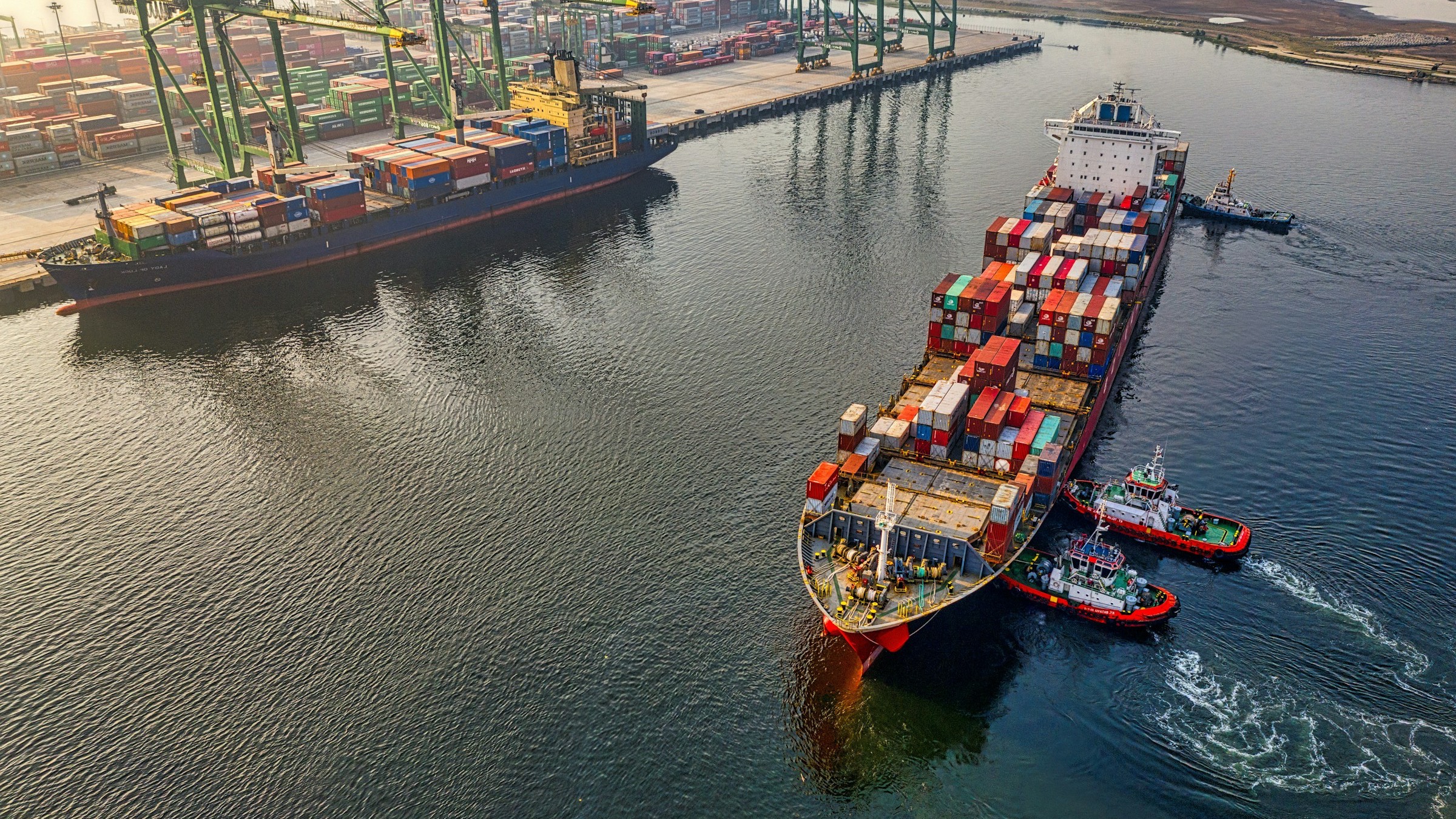
Congestion at Chinese ports: ten-day waits before Golden Week

Ten-T corridor delays Italy: Confetra's warning on Brenner and Terzo Valico
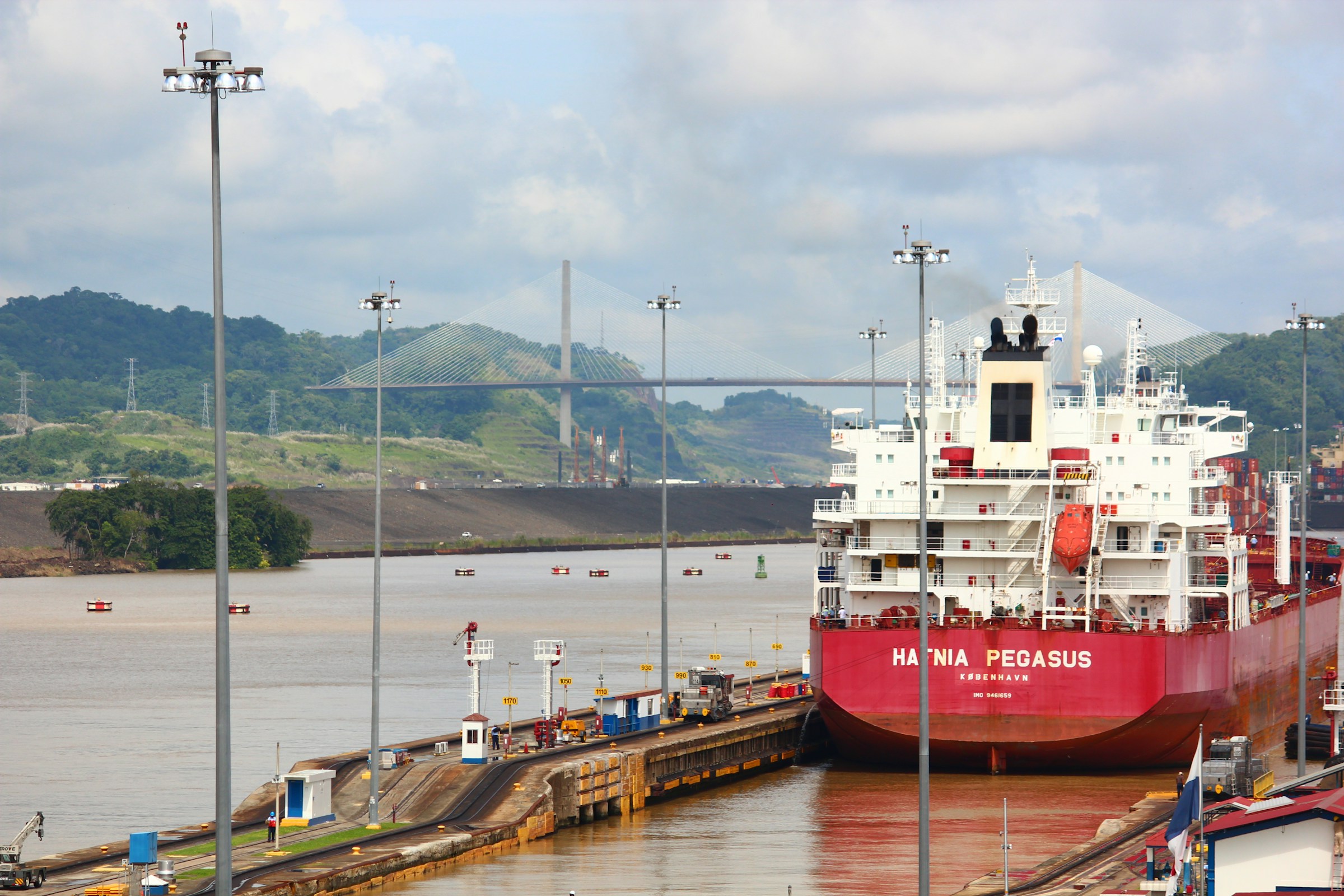
Panama Canal draft restrictions: Neopanamax cut postponed

Shanghai-Genoa container rates down 10%: what changes for those importing from China

Demurrage and detention charges disputed: Samsung seeks $186 million from CMA CGM at the FMC

Back to Suez: transits up 36% in August, but the route is only halfway there
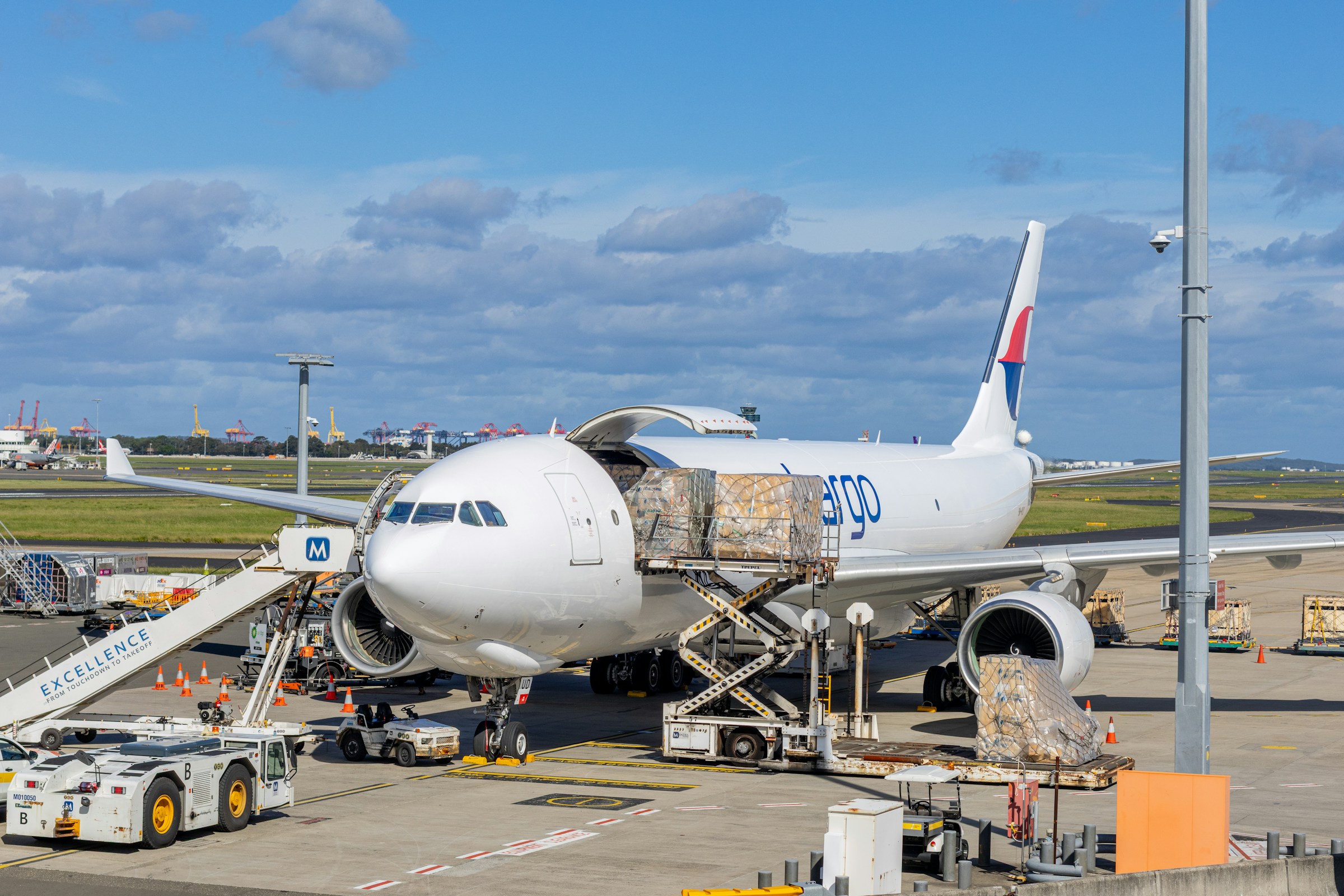
China-Europe air cargo: the decline stops, what changes for importers
Goodbye to the €150 exemption: the EU parcel duty rewrites the rules of e-commerce imports
Air freight: when cargo takes flight, every detail counts
MSC is about to buy up ports around the world for 23 billion dollars

Italian hyper-depreciation: confirmation due 60 days after approval

China producer prices are rising: what changes for buyers
European preference in public procurement: bids below 50% can be rejected

Lithium batteries in containers: thousands travel undeclared
WTO barometer: world trade is growing, but containers fall below trend
Fashion imports from China down 8.1%: what the figure says about suppliers

SVHC substances and importer obligations: the list rises to 253 entries
Hyper-amortisation and foreign machinery: the Made in EU rule is dropped

Chinese exports to Europe: just +6.6% while the rest of the world races ahead
Steel imports: "melt and pour" traceability starts on 1 October

Beyond the electric car: China's new export wave of robots, AI and medicines

Steel: EU 50% tariff and new origin rules — what changes for importers
Customs checks on electronics imports: how to avoid penalties and optimise compliance

The Bialetti Moka changes hands: one of Italy's most iconic objects becomes Chinese

Import-export of jewellery and precious metals: what Italian law really says

How much does China really export? Figures and opportunities of the trade giant
OEM vs ODM: two key acronyms for creating a product under your own brand

The 5 questions we always ask our suppliers