
US-China tariffs cut on 30 billion: what changes for buyers in China
MONDAY, 28 SEPTEMBER 2026
The Chinese list includes tableware, Christmas ornaments, toys and footballs. For Europe duties do not change, but the suppliers are the same.
US-China tariffs fall on about 30 billion dollars of goods on each side: the two lists published on 28 September bring over 90% of the covered products back to most-favoured-nation levels, that is, to ordinary World Trade Organization duties. On the Chinese side the list includes items of close interest to buyers of consumer and promotional goods: tableware, Christmas ornaments, toys and footballs.
What the US-China tariffs deal provides
The agreement came out of the eighth round of economic and trade consultations, held in New York and Washington from 20 to 23 September, coinciding with Xi Jinping's state visit to the United States, his first since 2015. The reductions will take effect simultaneously, once each country has completed the procedures required by its own law: no precise date has been announced yet.
- About 30 billion dollars of goods on each side covered by reciprocal tariff reductions.
- Over 90% of listed products brought back to most-favoured-nation duties, often in single digits.
- 77 categories of Chinese goods on the US list, against 1,619 items of American products on the Chinese one.
- 10 January 2027: new expiry of the trade truce, which would have ended in November 2026.
- Up to 145%: the peak reached in 2025 by US tariffs on Chinese goods, before subsequent reductions.
Which Chinese products are on the list
The 77 Chinese categories are few compared with over 1,600 American items, but they are concentrated in low-unit-value, highly seasonal consumer goods: fireworks, tableware, toys such as dolls and puzzles, glass and wooden Christmas ornaments, footballs. On the US side the list ranges from agricultural products to timber, from personal care products to medical equipment.
It is a selection that concerns precisely the manufacturing districts many European importers of homeware, household goods and gadgets turn to. The reduction does not touch Europe: the duties paid on entry into the Union for these products stay the same.
Why it matters to buyers for Europe too
The deal changes relative convenience for the American buyer, not the European one. The data does not show that Chinese factories in these categories will be saturated, or that prices will rise: that will depend on how much US importers return to ordering, and on when the reductions take effect. It does signal a possible rise in demand on exactly the suppliers many Italian companies use, at the time of year when Christmas production is already at its peak.
What it means for importers
The first check concerns orders for the fourth quarter and early 2027. If you buy ornaments, tableware, toys or footballs from Chinese suppliers, it is worth confirming production slots and shipping dates now rather than waiting: a recovery in US orders may fill the lines of the largest suppliers first.
The second concerns price lists. A supplier with more demand has fewer reasons to grant discounts; it therefore pays to fix prices in writing, with explicit validity, on orders already negotiated. The third concerns duration: the truce expires on 10 January 2027 and the reductions do not yet have an application date, so the picture may change again within a few months.
A truce with an expiry date
The two-month extension keeps the truce in place while the two governments explore whether a broader economic agreement is possible. It is a sign of continuity, not a final deal: until 10 January the framework holds, after that it depends on the negotiations.
With La Merce, an order of Christmas ornaments, tableware or footballs from China for the winter is locked in now with written production slots and price, before the 30 billion list brings American buyers back to the same suppliers.
Sources
Independent checks on the figures cited, verified in-house.
- Spectrum News — U.S. and China release reciprocal $30B product lists for tariff cuts after Trump-Xi meeting
- U.S. News & World Report — US and China Detail List of Products Agreed Under $30 Billion Tariff Cut Deal After Trump-Xi Meeting
- NBC News — U.S. and China agree to extend trade truce through Jan. 10, Bessent says
Read related articles

Supply chain risk monitoring: only 20% do it continuously

Italian stone exports: value up, volumes down
Italian exports in the second quarter of 2026: what the +7.9% really says

China producer prices are rising: what changes for buyers
WTO barometer: world trade is growing, but containers fall below trend
Fashion imports from China down 8.1%: what the figure says about suppliers

Chinese exports to Europe: just +6.6% while the rest of the world races ahead
Beyond the electric car: China's new export wave of robots, AI and medicines

How much does China really export? Figures and opportunities of the trade giant

The 5 questions we always ask our suppliers
Sicily truck stoppage from 16 to 20 October: how to protect deliveries
Transport packaging rules and the PPWR: 40% reusable by 2030
Industrial robots in China: 354,000 installed in 2025, 59% of the world

Leather excluded from the EUDR: what changes for importers from 7 October

Pinglu Canal: 560 kilometres less to reach the sea
Chinese trucks assembled in Europe: the Steyr plant in Austria

EU customs reform: what changes now and what in 2028
New Maersk container ships: 26 units delivering from 2029
Costume jewellery imported from China: 49,512 items stopped in Genoa
Diesel price at 2026 highs: what reaches your deliveries
Suez transits: the return is mostly on voyages back to Asia
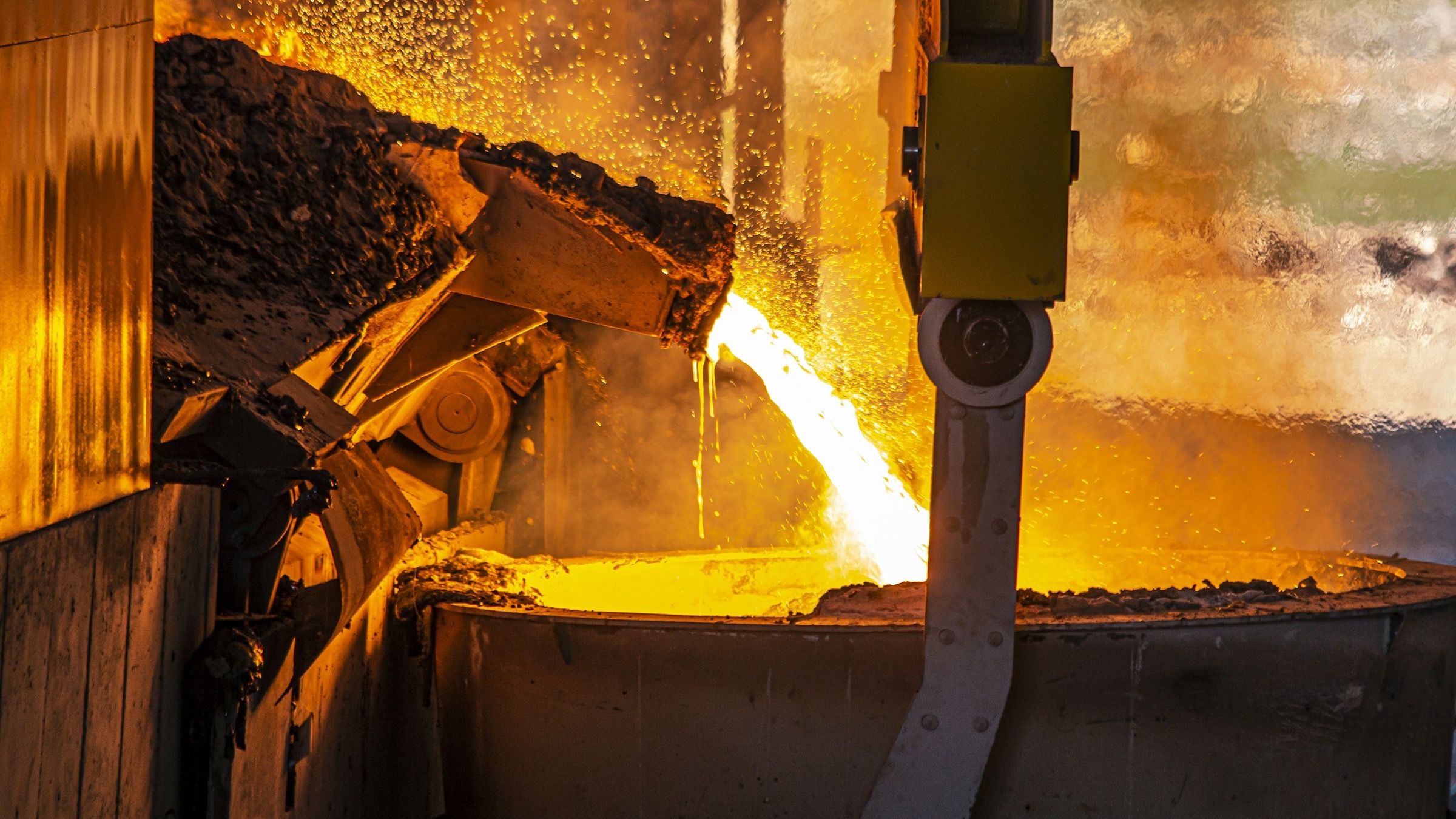
European steel protection and the bill for those who transform it
The Italian small parcels tax is postponed to 30 November

China's electronics five-year plan: 30 trillion yuan by 2030

German import VAT reform: less cash tied up at the port
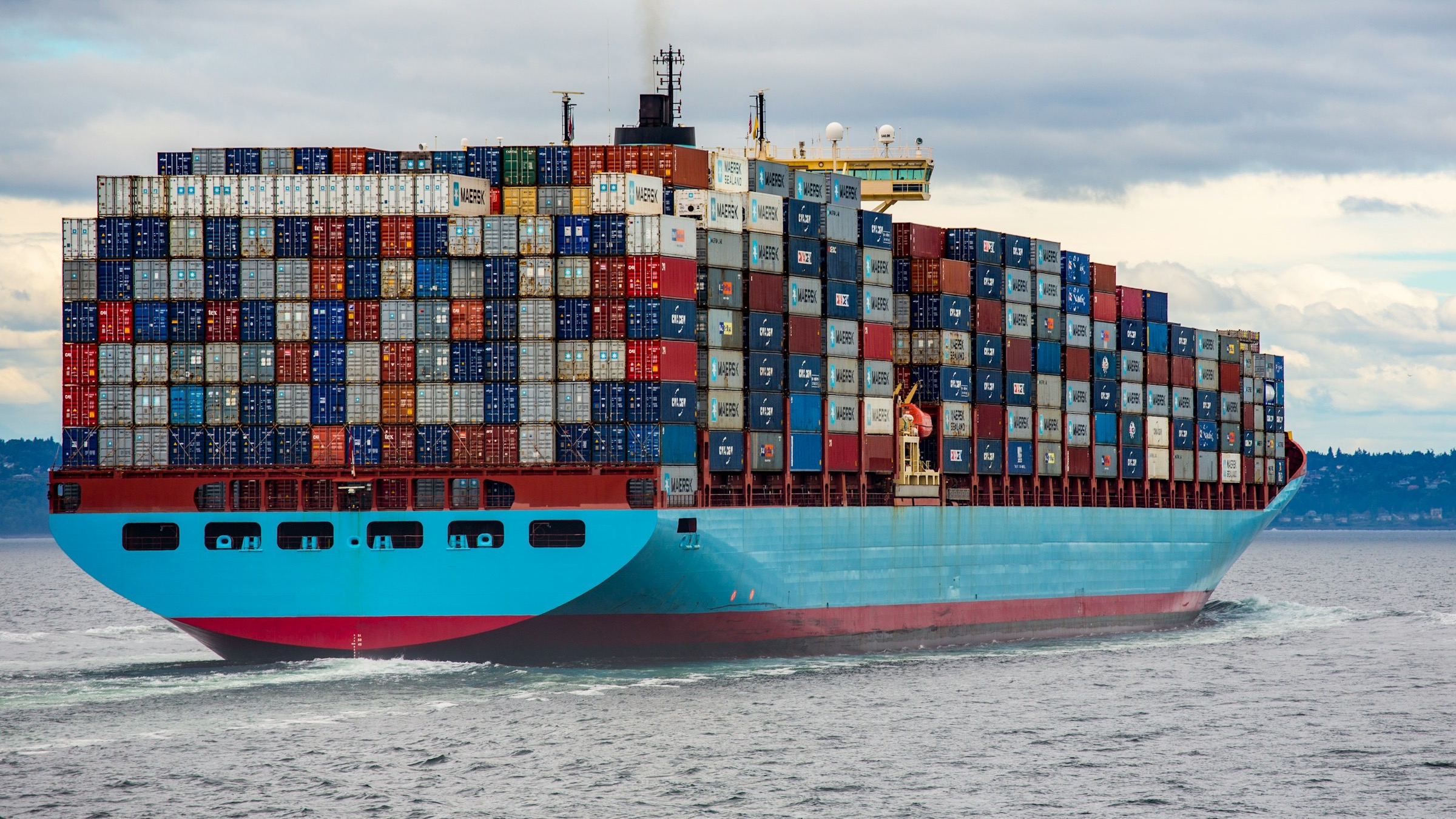
Four Gemini services return to the Suez Canal: what changes for Ligurian ports
Container inspections: deficiencies in more than one unit in ten

Digital customs in Norway: with Digitoll, who reports what changes
Italian hyper-depreciation: confirmation due 60 days after approval

European preference in public procurement: bids below 50% can be rejected

Lithium batteries in containers: thousands travel undeclared
Congestion at Chinese ports: ten-day waits before Golden Week

SVHC substances and importer obligations: the list rises to 253 entries
Hyper-amortisation and foreign machinery: the Made in EU rule is dropped

Ten-T corridor delays Italy: Confetra's warning on Brenner and Terzo Valico

Panama Canal draft restrictions: Neopanamax cut postponed

Shanghai-Genoa container rates down 10%: what changes for those importing from China

Demurrage and detention charges disputed: Samsung seeks $186 million from CMA CGM at the FMC

Back to Suez: transits up 36% in August, but the route is only halfway there
Steel imports: "melt and pour" traceability starts on 1 October
China-Europe air cargo: the decline stops, what changes for importers
Goodbye to the €150 exemption: the EU parcel duty rewrites the rules of e-commerce imports

Steel: EU 50% tariff and new origin rules — what changes for importers
Air freight: when cargo takes flight, every detail counts

Customs checks on electronics imports: how to avoid penalties and optimise compliance
The Bialetti Moka changes hands: one of Italy's most iconic objects becomes Chinese

MSC is about to buy up ports around the world for 23 billion dollars

Import-export of jewellery and precious metals: what Italian law really says
OEM vs ODM: two key acronyms for creating a product under your own brand

Incoterms: the basics of international trade