
TARIC code lookup: the 10 digits, the EU database and Binding Tariff Information
SUNDAY, 18 OCTOBER 2026
From the supplier's six-digit code to the ten-digit code that goes on the declaration: how to read it, how to search the Commission's database, what a wrong code risks and when to apply for Binding Tariff Information.
TARIC code lookup for a product starts from the description of the goods: you identify the international 6-digit Harmonized System code and complete it to 10 digits in the European Commission's TARIC database, entering the country of origin. If the classification is still uncertain, the only way to get an answer that binds customs is to apply for a Binding Tariff Information decision.
The code drives almost everything that happens at customs: the duty rate, any anti-dumping duties, quotas, prohibitions and the documents to present. A Chinese supplier usually puts one on the invoice, but that number is designed for export from China and often stops at the first six digits. This guide explains how the code is built, how to look it up, what happens if it is wrong and when it is worth locking it in with a BTI.
TARIC code: what it is and the levels it is made of
The TARIC code is the top of a three-level pyramid, and each level has a different owner. At the base is the Harmonized System, managed by the World Customs Organization: about 5,000 commodity groups, each with a six-digit code, used by more than 200 countries and economies and updated every five years.
Above it is the European Union's Combined Nomenclature, established by Regulation (EEC) No 2658/87: it adds two digits to reach eight, with a description and a duty rate for each subheading. It is managed by the European Commission and updated every year: the version in force from 1 January 2026 is Implementing Regulation (EU) 2025/1926, published in the Official Journal on 31 October 2025.
At the top is TARIC, the integrated tariff of the Union: a multilingual database, also managed by the Commission, that starts from the eight digits of the Combined Nomenclature and adds every EU measure that applies to those goods.
The 10 digits of the TARIC code, one by one
The digits are read from left to right, from the general to the specific:
- Digits 1-6: the Harmonized System code, identical worldwide; this is the one the Chinese supplier usually knows.
- Digits 7-8: the Combined Nomenclature subheading, valid across the Union and also used in Intrastat declarations.
- Digits 9-10: the TARIC subdivision, needed when specific measures such as suspensions, quotas or anti-dumping duties apply to the goods.
- Additional codes: in some cases a further code is added to the 10 digits, for example to identify the individual producer hit by an anti-dumping duty.
The Commission states that the TARIC code has at least 10 digits. In an importer's daily work, the number that goes on the declaration is the 10-digit one, completed where needed by the additional code the database marks as mandatory.
What you find in the TARIC database, and what you don't
The database covers third-country duties, tariff preferences under trade agreements, tariff suspensions and quotas, agricultural measures, anti-dumping, countervailing and safeguard duties, and prohibitions and restrictions, including import and export licences and controls. For each measure it also lists the documents required, with their codes.
The Commission publishes an updated version every day and transmits the data to national customs administrations. National taxes, however, are left out: the import VAT rate and excise duties are not in TARIC. For Italy they have to be checked separately, and the Italian Customs and Monopolies Agency offers its own tariff consultation.
TARIC code lookup: the search step by step
The search works better when you start from the goods rather than from a keyword. Before opening the database, it pays to gather three pieces of information: what the product is made of, what it is used for and in what condition it arrives (finished, semi-finished, as a kit to assemble).
Then proceed as follows:
- Identify the chapter from the material or the function, and read the section and chapter notes: they often exclude precisely the product that seemed obvious.
- Go down to the 4-digit heading and the 6-digit subheading, comparing the descriptions with the technical sheet, not with the trade name.
- In the TARIC database, enter the code found, the country of origin (for example China) and the expected import date, and reach the 10-digit code.
- Read every linked measure: duty, any anti-dumping, documents required, and note the additional codes.
The code proposed by the supplier is a good starting point for the first steps, but it always needs checking: the first six digits are shared by China and the Union, the following ones are not.
The general interpretative rules: when two headings both look right
When a product could fall under more than one heading, the General Rules for the interpretation of the Combined Nomenclature decide, six in all, applied in order. The first is always the starting point: what counts is the wording of the headings and the section and chapter notes, while the titles of sections are for reference only.
The second rule says that an incomplete or unassembled article is classified as the finished one if it already has its essential character: furniture shipped as a kit is still furniture. The third settles cases of doubt: the most specific heading prevails, then the one matching the essential character of the goods, and only as a last resort the heading that comes last in numerical order. The remaining rules cover goods with no suitable heading, containers and packing, and the comparison between subheadings.
What happens if the TARIC code is wrong
A wrong code is not necessarily caught at clearance. Article 103 of the Union Customs Code allows customs to notify a customs debt up to three years after it was incurred: a wrong classification can therefore come back as a claim for back duties even after the goods have been sold.
In Italy a classification error falls under the inaccurate declaration rules of the national provisions supplementing the customs code, Legislative Decree No 141 of 2024, with penalties added to the unpaid duties. There is also the opposite, less visible risk: a code with a higher rate than the correct one means paying duty that is not owed, or losing a suspension or a tariff preference. In both cases the problem starts in the same place, a classification done in a hurry.
BTI: the TARIC code that binds customs
Binding Tariff Information, BTI (in Italian ITV), is a decision in which the customs authority sets the classification of goods at the operator's request. It is valid for three years from the date it takes effect, throughout the customs territory of the Union, and binds both the customs authorities of all Member States and the holder, who must state it in the customs declaration.
The procedure has deadlines set by Article 22 of the customs code: customs have 30 days from receipt to accept the application and then 120 days from acceptance to decide. An EORI number is required, the application is filed in the Member State where the business is established or where it will use the decision, and each one covers a single type of goods. Issued BTIs go into the European EBTI database, which also has a public version: before applying, it is worth checking whether other customs authorities have already classified a similar product.
A BTI cannot be amended: if the Combined Nomenclature changes, it ceases to be valid. That is why it should be checked again every time the annual update comes out at the end of October.
Practical example: desk lamps from China
Take a hypothetical importer ordering 3,000 LED desk lamps with a metal base and a USB port, for a customs value of 30,000 euros. The supplier puts a 6-digit code on the invoice. The rates below are chosen for the example and do not refer to a real product:
- Supplier's 6-digit code: correct as a starting point, but not enough for the declaration.
- Two possible 8-digit subheadings: one with a hypothetical duty of 2.7%, the other 4.7%.
- Difference between them: 600 euros of duty on this order, plus VAT calculated on a different base.
- Over ten similar orders in three years, the difference reaches 6,000 euros of duty that customs could claim back if the declared subheading turned out to be the wrong one.
Faced with a doubt of this kind, the importer reads the chapter notes, checks the EBTI database for decisions on similar lamps and, if the doubt remains, applies for a BTI before signing an annual contract. At most five months of waiting cost less than three years of uncertainty.
With La Merce, the 10-digit TARIC code is checked before the order and not on the supplier's invoice: anti-dumping measures, required documents and, when the classification is uncertain, the BTI application are dealt with before the goods leave China.
Sources
Independent checks on the figures cited, verified in-house.
- Commissione europea — EU Customs Tariff (TARIC)
- Commissione europea — Binding Tariff Information - Quick Info
- Commissione europea — Commission publishes 2026 version of the Combined Nomenclature
- KPMG — EC publishes 2026 Combined Nomenclature
- Commissione europea - Access2Markets — Informazioni tariffarie vincolanti
- legislation.gov.uk — Regolamento (UE) n. 952/2013, articolo 22
- legislation.gov.uk — Regolamento (UE) n. 952/2013, articolo 33
- legislation.gov.uk — Regolamento (UE) n. 952/2013, articolo 103
- USTR — Harmonized System and World Customs Organization
- International Trade Administration — Overview of Harmonized System Codes
- Fiscozen — Indice TARIC: cos'è e come si trova?
- EC News — L'importanza delle Informazioni Tariffarie Vincolanti (ITV) per la corretta classificazione delle merci
- FiscoeTasse — Sanzioni e compliance doganale
Read related articles

Customs clearance in Italy for goods from China: how it works, the documents and the customs entry

EORI number Italy: what it is, how to get one and how to check it before your first import

Import duty from China to EU: how to calculate it, with a worked example
EU China trade deal: fewer hybrids and lower tariffs on €4 billion
World trade forecast: WTO raises 2026 goods growth to 3.9%

European 301 tool against China: what we know and what we don't
Digital DeCA in Spain from 5 October: what changes for road freight

Leather excluded from the EUDR: what changes for importers from 7 October
EU customs reform: what changes now and what in 2028
The Italian small parcels tax is postponed to 30 November
German import VAT reform: less cash tied up at the port
Digital customs in Norway: with Digitoll, who reports what changes

European preference in public procurement: bids below 50% can be rejected
Steel imports: "melt and pour" traceability starts on 1 October

Steel: EU 50% tariff and new origin rules — what changes for importers
Customs checks on electronics imports: how to avoid penalties and optimise compliance

Import-export of jewellery and precious metals: what Italian law really says

Port of Rotterdam container throughput: full imports up 8.9%, transhipment down 20%

EU safeguard measures: Chinese chemicals and machinery targeted after the summit

Ocean freight rates rebound: Shanghai-Genoa up 7% after 13 weeks of decline

China export controls: 14 technologies to be banned in AI, biotech and solar

EU ETS shipping: carriers buy almost 20% of EU allowances

How to find reliable suppliers in China: five channels and how to spot a real factory

Canton Fair 2026 opens with 32,000 exhibitors, running until 4 November
China rare earth exports: 4,270 tonnes in September, faster EU licences

China trade surplus: exports up 36.3% in September, surplus with the EU at 34.8 billion

China producer prices up 5% in September, the fastest since 2022

Container ship delays: only 4% on time from Asia to Europe in September
China export tax rebate: electric vehicles cut to 9% from 2027, e-cigarettes out

How to get CE marking: the steps and the importer's obligations

Critical raw materials strategic projects: the EU picks 46, five in Italy
Container cost from China to Europe: every cost item and a worked example

Trademark registration grant: Italy's Marchi+ 2026 refunds up to 9,000 euros per trademark abroad

How to import from China to Europe: a step-by-step guide for businesses

After Golden Week: what to expect from Chinese factories and shipping

Truck stoppage in Calabria and Sicily: deliveries at risk from 9 to 20 October
China's battery plan: parts-per-billion defects by 2030

Sourcing by Italian SMEs: 86% domestic, but non-EU rises to 22%
Air cargo in September: demand +6% and ever shorter contracts
Hyper-depreciation or tax credits: what the UPB says about machinery incentives
China's manufacturing PMI at 50.1: factory costs and prices rise

Asia-Europe container rates: twelve weeks of decline, Shanghai-Genoa at 3,702 dollars

Container connectivity at Italian ports: Genoa, Gioia Tauro and La Spezia decline
Industrial profits in China: +15.7%, but clothing and furniture fall

Extra-EU imports in August: +17.2%, from China +16%

US-China tariffs cut on 30 billion: what changes for buyers in China
Sicily truck stoppage from 16 to 20 October: how to protect deliveries
Transport packaging rules and the PPWR: 40% reusable by 2030
Industrial robots in China: 354,000 installed in 2025, 59% of the world

Pinglu Canal: 560 kilometres less to reach the sea
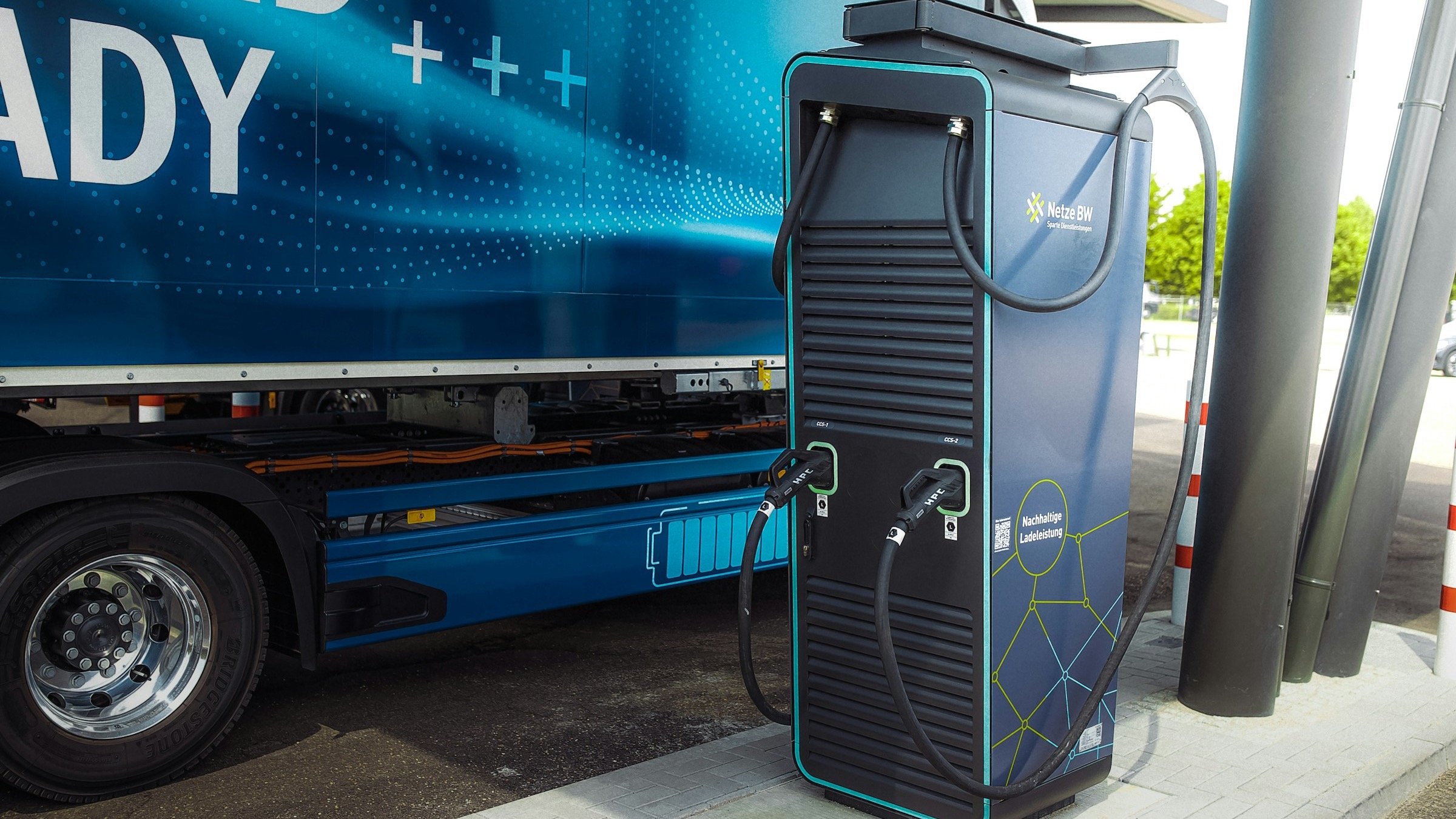
Chinese trucks assembled in Europe: the Steyr plant in Austria

Supply chain risk monitoring: only 20% do it continuously
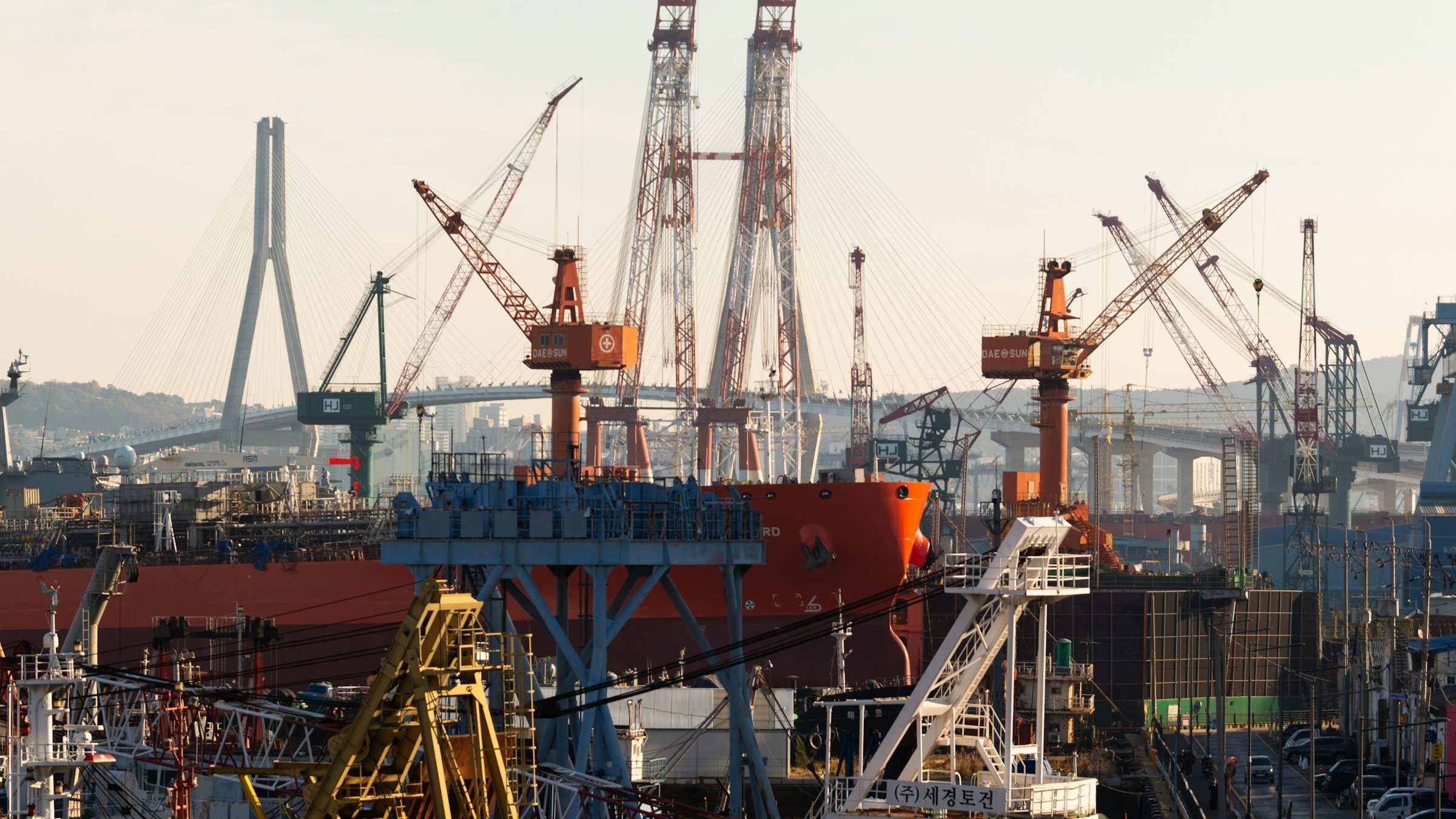
New Maersk container ships: 26 units delivering from 2029
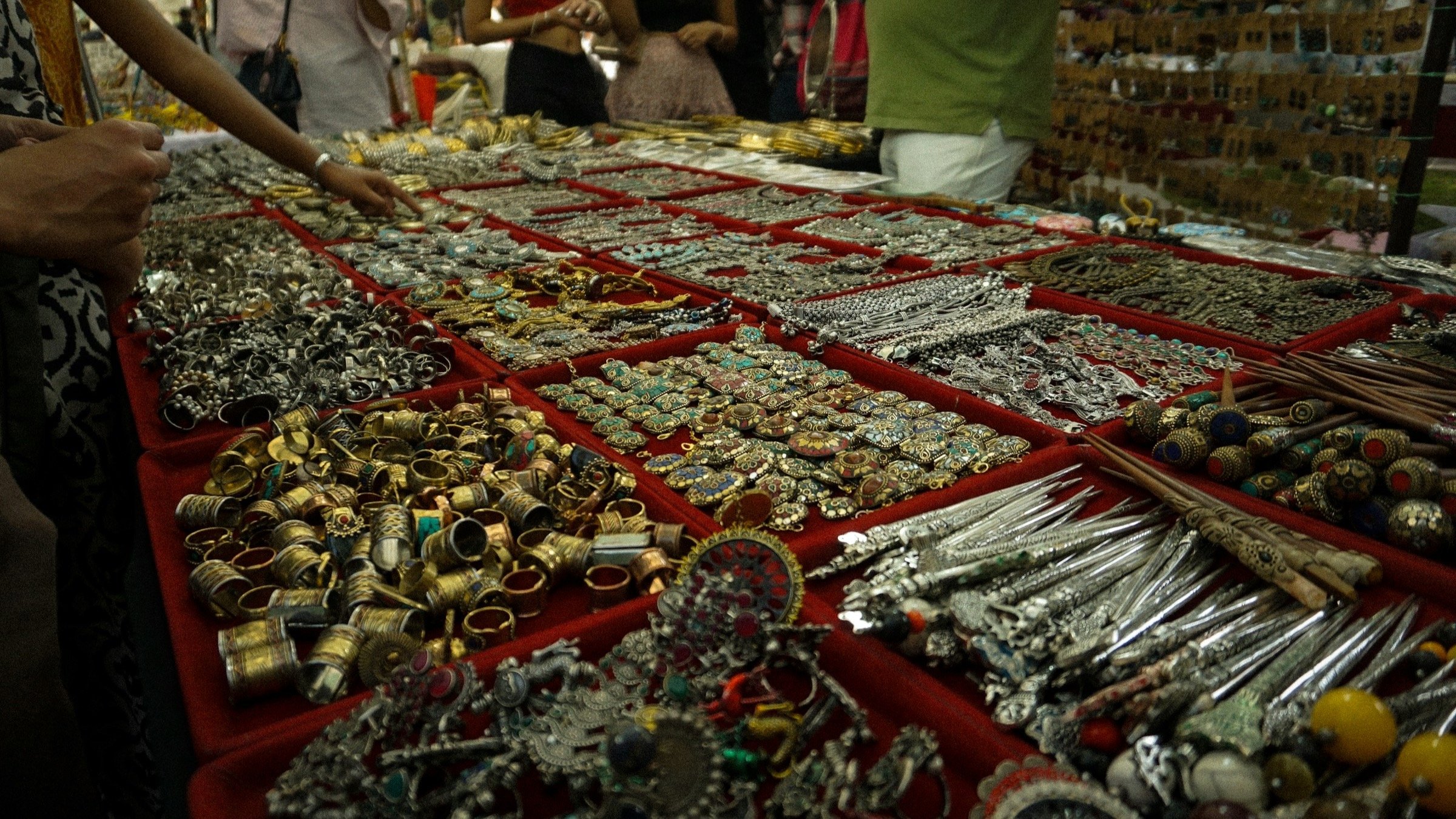
Costume jewellery imported from China: 49,512 items stopped in Genoa

Italian stone exports: value up, volumes down
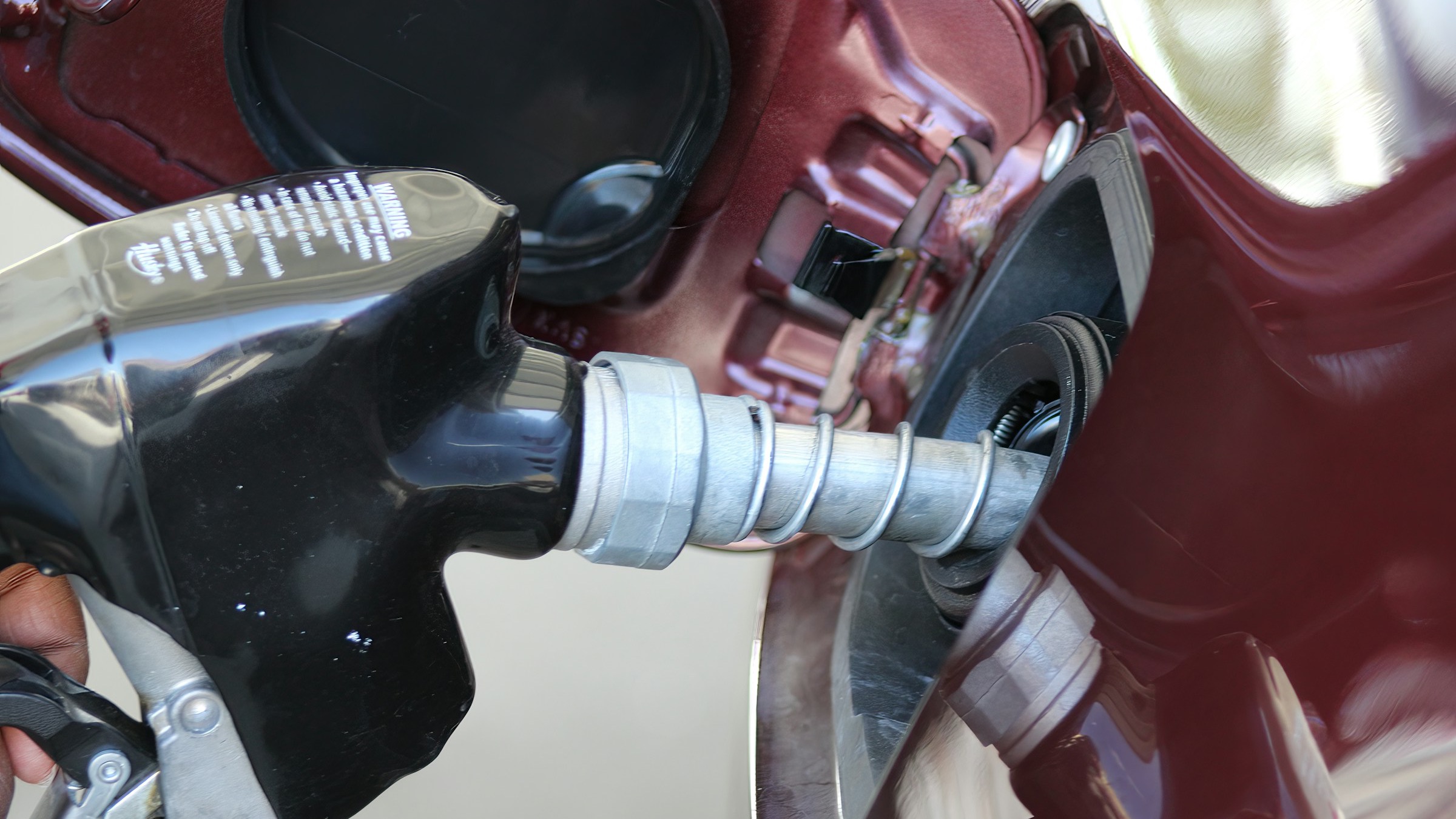
Diesel price at 2026 highs: what reaches your deliveries
Suez transits: the return is mostly on voyages back to Asia

European steel protection and the bill for those who transform it

China's electronics five-year plan: 30 trillion yuan by 2030
Four Gemini services return to the Suez Canal: what changes for Ligurian ports
Italian exports in the second quarter of 2026: what the +7.9% really says
Container inspections: deficiencies in more than one unit in ten
Italian hyper-depreciation: confirmation due 60 days after approval

China producer prices are rising: what changes for buyers

Lithium batteries in containers: thousands travel undeclared
Congestion at Chinese ports: ten-day waits before Golden Week
WTO barometer: world trade is growing, but containers fall below trend
Fashion imports from China down 8.1%: what the figure says about suppliers

SVHC substances and importer obligations: the list rises to 253 entries
Hyper-amortisation and foreign machinery: the Made in EU rule is dropped

Chinese exports to Europe: just +6.6% while the rest of the world races ahead

Ten-T corridor delays Italy: Confetra's warning on Brenner and Terzo Valico

Panama Canal draft restrictions: Neopanamax cut postponed

Shanghai-Genoa container rates down 10%: what changes for those importing from China

Demurrage and detention charges disputed: Samsung seeks $186 million from CMA CGM at the FMC

Back to Suez: transits up 36% in August, but the route is only halfway there
China-Europe air cargo: the decline stops, what changes for importers
Goodbye to the €150 exemption: the EU parcel duty rewrites the rules of e-commerce imports
Beyond the electric car: China's new export wave of robots, AI and medicines

Air freight: when cargo takes flight, every detail counts
The Bialetti Moka changes hands: one of Italy's most iconic objects becomes Chinese

MSC is about to buy up ports around the world for 23 billion dollars

How much does China really export? Figures and opportunities of the trade giant
OEM vs ODM: two key acronyms for creating a product under your own brand

The 5 questions we always ask our suppliers

Incoterms: the basics of international trade