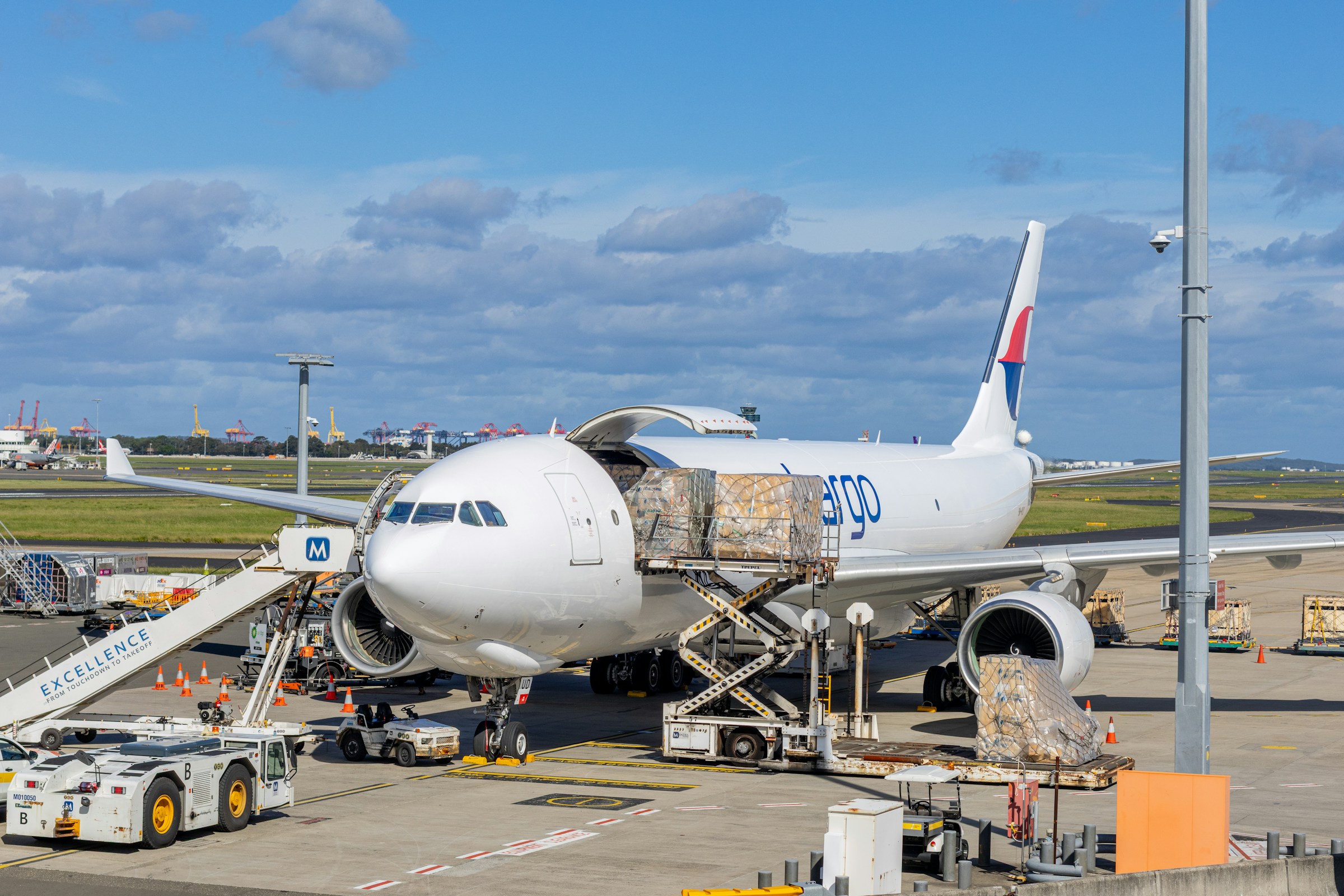
China-Europe air cargo: the decline stops, what changes for importers
TUESDAY, 8 SEPTEMBER 2026
At the end of August, air shipments on the China-Europe corridor show the first signs of stabilization, with effects on volumes, transit times and freight rates for those importing from Asia.
Volumes stabilizing after two months of decline
After nearly two months of decline, air cargo volumes on the China-Europe corridor are showing the first signs of a halt. According to WorldAcd data, in the week from 17 to 23 August air-transported goods grew by 1% compared with the previous seven days: the first week-on-week increase since the beginning of June.
The year-on-year comparison, however, remains clearly negative. Compared with the same week of 2025, traffic from mainland China to Europe is down 8%, while flows from Hong Kong to Europe - heavily tied to e-commerce - have collapsed by 33%. A heavy figure, which nonetheless improves by two points on the -35% of the previous week. On the mainland China front, instead, the annual deficit widened by three points, after the -5% of the 10-16 August period.
The weight of the new EU rule on small parcels
The analytics firm identifies the new European regulation as the main cause of the contraction: the removal of de minimis exemptions on low-value imports has hit above all the e-commerce flows from Hong Kong. According to WorldAcd, what we are observing may not be a simple rebound but the settling of volumes at a structurally lower level, supported by the recovery in demand after the summer break.
Overall, week 34 saw a 3% increase in volumes from the Asia-Pacific area to Europe, driven mainly by traffic from Japan (+88%) after the national Obon holiday and the effects of tropical storm Chan-Hom. Considering all destinations, shipments originating in Asia-Pacific rose by 7%, reaching 4% above the level of the same period in 2025.
What it means for importers: freight rates and transit times
On the tariff side, global average freight rates held at 2.98 dollars/kg, in line with the last five weeks but 22% higher than a year earlier. On the mainland China-Europe route rates followed volumes: declines from mid-June to the end of July, then a slight recovery in August up to 4.14 dollars/kg in the third week. A value still 24% below the mid-June peak, but 13% higher than the same period in 2025. On the Hong Kong-Europe route, by contrast, rates fell again, to 4.91 dollars/kg.
For the Italian importer these figures suggest some practical indications:
- The stabilization of volumes reduces short-term volatility and makes transit times more predictable, but capacity remains realigned to demand: booking in advance avoids surprises on departing loads.
- Freight rates remain above last year's levels, so it is worth negotiating agreed-rate contracts rather than relying solely on the spot market, especially ahead of the year-end peaks.
- Those handling small e-commerce parcels must review their cost structure in light of the end of de minimis exemptions, considering consolidations and channels alternative to pure express air.
The import-export angle
The end of the decline does not amount to a return to pre-regulation volumes. The market appears to be repositioning at a new, lower equilibrium, with rates that remain high compared with 2025. For those buying in Asia, this is a good moment to review autumn planning: balancing air and sea according to real urgency, exploiting the greater predictability to fix delivery windows, and keeping the customs classification of small consignments under control to avoid unexpected import costs.
With La Merce, using air cargo on the China-Europe corridor means choosing the moment: when volumes stabilise the leverage on rates changes, and the difference between booking in low or high season is measured in margin points.
Sources
Independent checks on the figures cited, verified in-house.
Read related articles
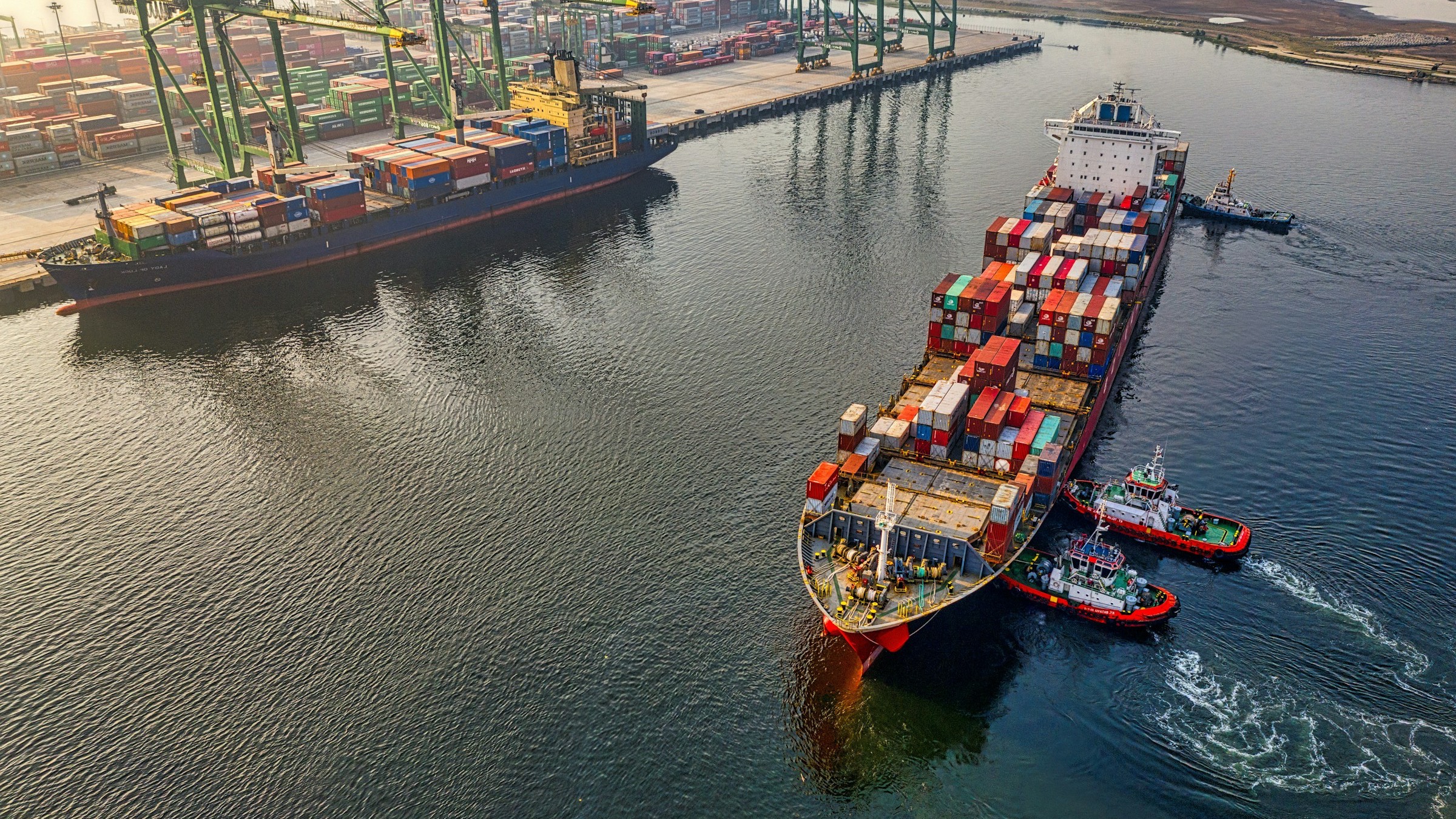
Congestion at Chinese ports: ten-day waits before Golden Week

Ten-T corridor delays Italy: Confetra's warning on Brenner and Terzo Valico

Panama Canal draft restrictions: Neopanamax cut postponed

Shanghai-Genoa container rates down 10%: what changes for those importing from China

Demurrage and detention charges disputed: Samsung seeks $186 million from CMA CGM at the FMC

Back to Suez: transits up 36% in August, but the route is only halfway there

Goodbye to the €150 exemption: the EU parcel duty rewrites the rules of e-commerce imports
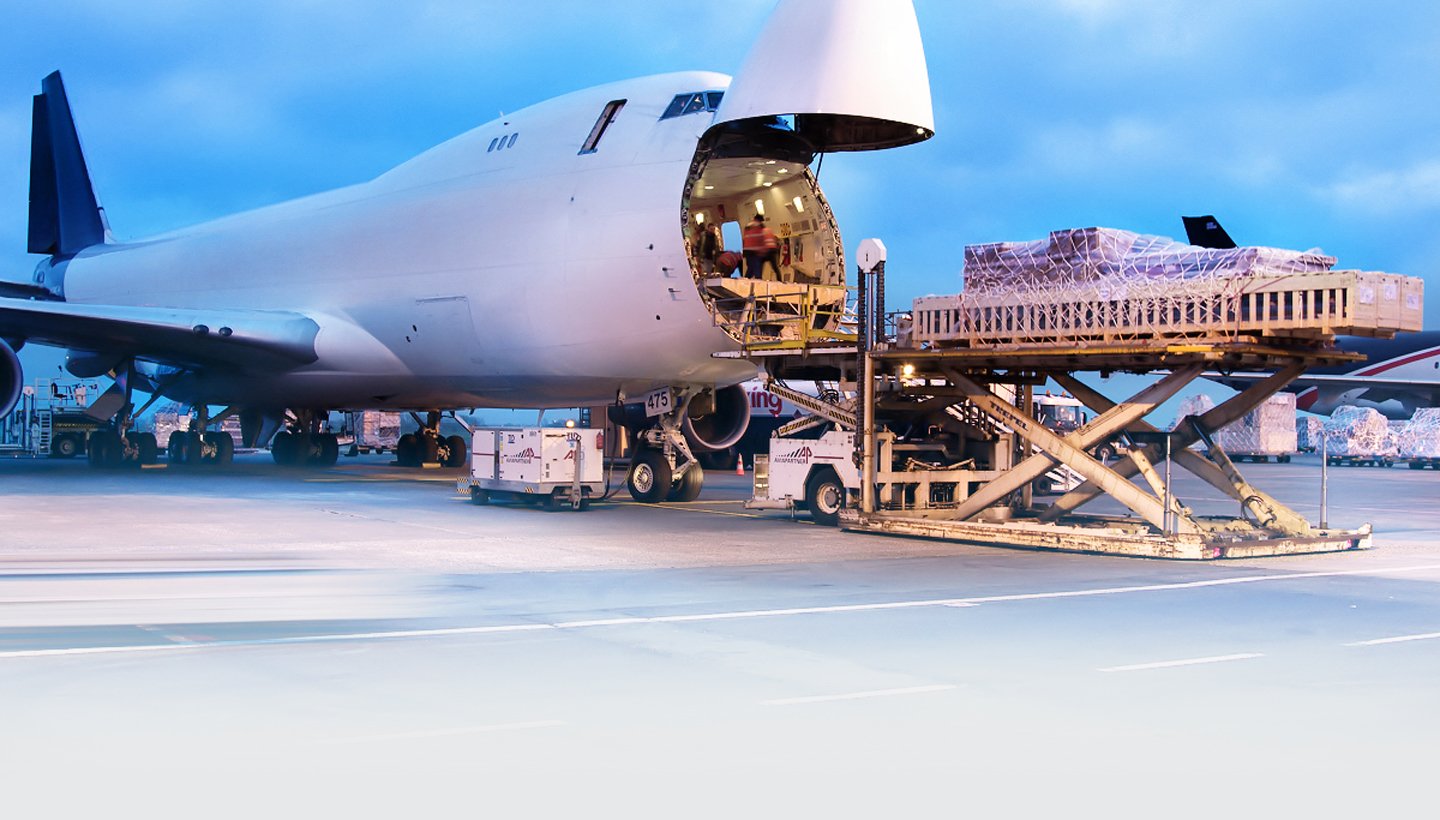
Air freight: when cargo takes flight, every detail counts

MSC is about to buy up ports around the world for 23 billion dollars

Incoterms: the basics of international trade
Italian hyper-depreciation: confirmation due 60 days after approval

China producer prices are rising: what changes for buyers

European preference in public procurement: bids below 50% can be rejected

Lithium batteries in containers: thousands travel undeclared

WTO barometer: world trade is growing, but containers fall below trend
Fashion imports from China down 8.1%: what the figure says about suppliers

SVHC substances and importer obligations: the list rises to 253 entries
Hyper-amortisation and foreign machinery: the Made in EU rule is dropped

Chinese exports to Europe: just +6.6% while the rest of the world races ahead
Steel imports: "melt and pour" traceability starts on 1 October

Beyond the electric car: China's new export wave of robots, AI and medicines

Steel: EU 50% tariff and new origin rules — what changes for importers
Customs checks on electronics imports: how to avoid penalties and optimise compliance

The Bialetti Moka changes hands: one of Italy's most iconic objects becomes Chinese

Import-export of jewellery and precious metals: what Italian law really says

How much does China really export? Figures and opportunities of the trade giant

OEM vs ODM: two key acronyms for creating a product under your own brand

The 5 questions we always ask our suppliers