Sicily truck stoppage from 16 to 20 October: how to protect deliveries
MONDAY, 28 SEPTEMBER 2026
Five days of stoppage and semi-trailers left in the ports. The reasons: diesel above 2.40 euros and an unpaid Sea Modal Shift. How to plan shipments.
The Sicily truck stoppage is set from 00:01 on Friday 16 October to midnight on Tuesday 20 October 2026: five days in which the companies of the Sicilian Truckers' Committee will stay in their yards and will not collect semi-trailers from the ports. Anyone shipping goods to or from the island has just over two weeks to reorganise deliveries.
Who is stopping the trucks and why
The stoppage was announced on 28 September by the Committee's coordinator, Salvatore Bella. Two reasons were given. The first is the non-payment of the first annual instalment of the Sea Modal Shift, the incentive for moving semi-trailers from road to the motorways of the sea, which according to the Committee the Ministry of Infrastructure had pledged to pay by June. The second is the price of diesel, which the Committee puts above 2.40 euros per litre.
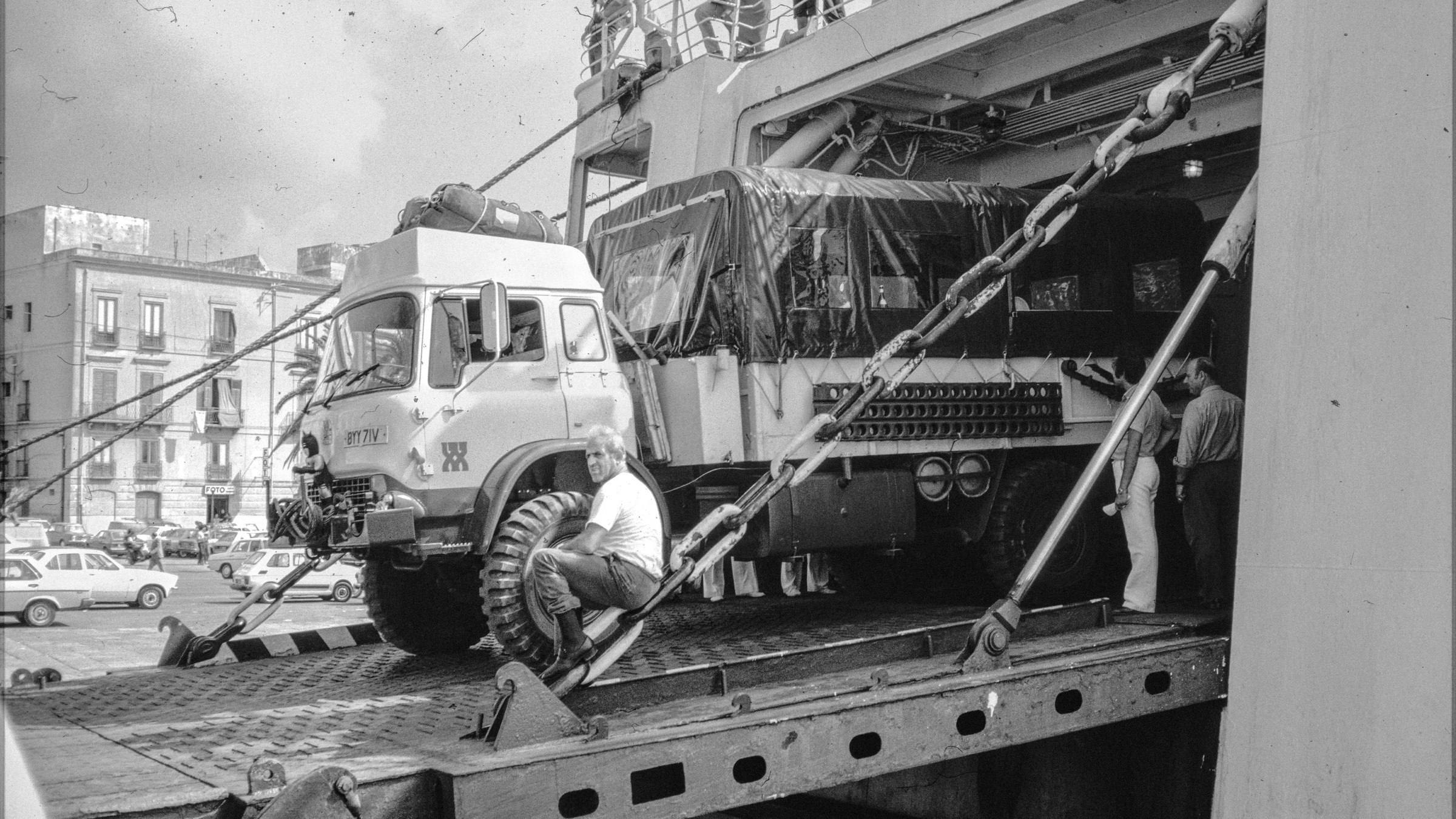
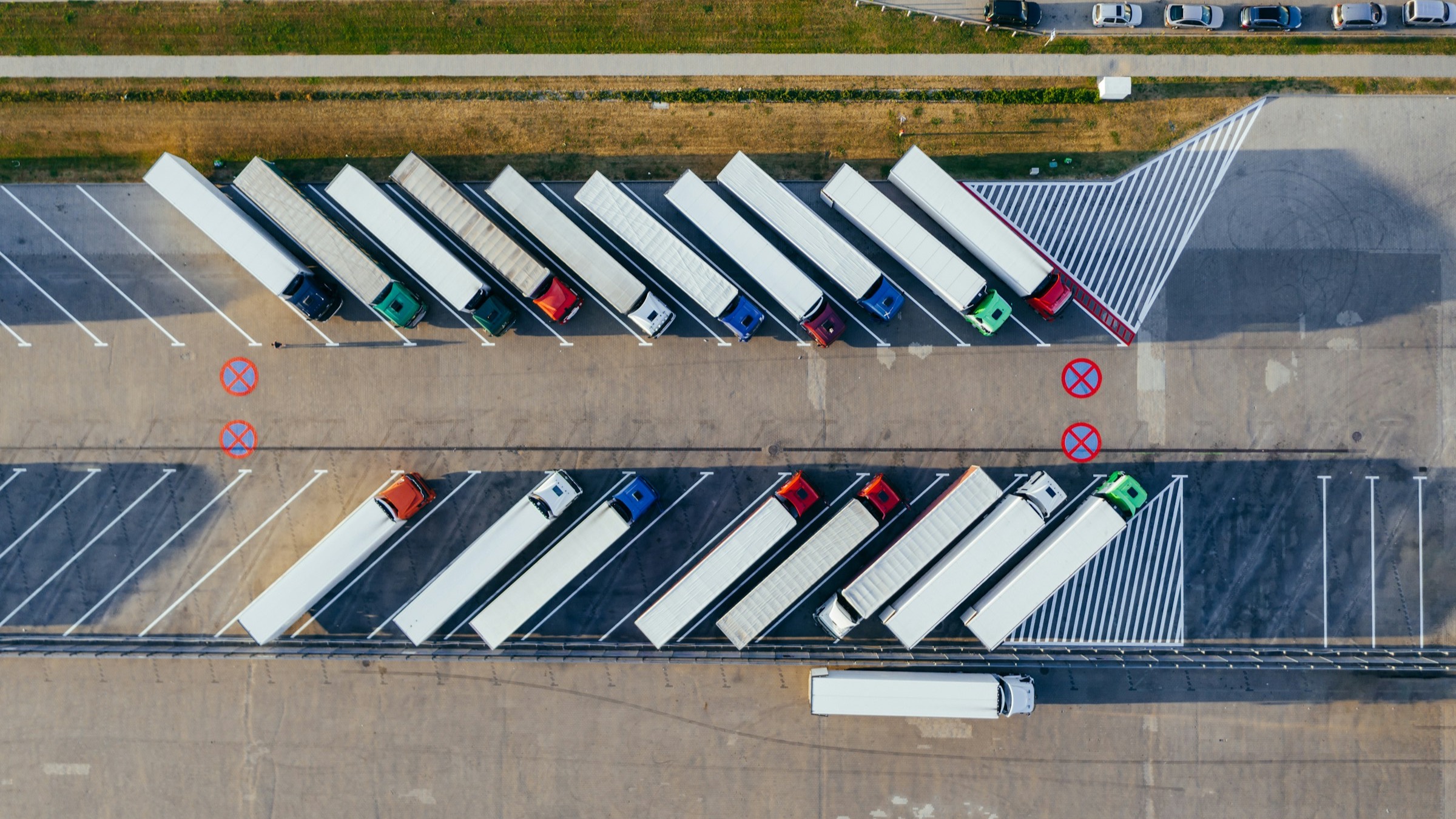
The format is explicit: no pickets and no road blockades. Participating companies will stay in their yards and leave semi-trailers in the ports. On an island where much of the freight travels as unaccompanied trailers, unloaded from the ferry and hooked up by a local tractor unit, this is precisely what affects deliveries.
- 16-20 October 2026: duration of the stoppage, from 00:01 on Friday to 24:00 on Tuesday, five days.
- 700-900 euros: the daily loss per truck estimated by the Committee at current costs.
- 2.369 euros per litre: national average self-service diesel price on 28 September according to MIMIT; 2.420 euros on the motorway network.
- From 30 to about 6 cents per vehicle-kilometre: the Sea Modal Shift unit contribution after a cut of almost 80%, due to applications far exceeding the funds.
The Sea Modal Shift issue
The Sea Modal Shift, successor to the Marebonus, grants a contribution to companies choosing sea routes instead of the road. For the islands it is not an environmental incentive but part of the cost of transport: every trip to the mainland goes by sea. With funds well below demand, the contribution per vehicle-kilometre was cut to a fraction of what was planned, and according to the Committee not even that has been paid yet.
High diesel prices make things worse. At the end of September Eni and Ip introduced a cap on pump prices and ministry data show a first decline, but for fleets the cost remains above the levels on which transport contracts of recent months were built.
The Sicily truck stoppage: what it means for importers
The stoppage is not an absolute certainty: the Committee has asked for a meeting with the ministry, and a government response could shorten or cancel it. Nor is it known how many companies will take part. The data does not show that all deliveries will stop, but it signals a concrete risk over a precise window, and it is worth planning as if the stoppage will happen.
For goods arriving in Sicily, the main risk is the trailer unloaded and not collected: it stays in port, with possible demurrage costs, until the stoppage ends. It is worth asking the forwarder whether the carrier handling the final leg belongs to the Committee and, where possible, bringing shipments forward so goods are delivered by Thursday 15 October, or pushing them to after the 21st.
For those shipping from Sicily the reverse applies: a pickup scheduled between 16 and 20 October may slip, with a knock-on effect on sailing times. Anyone with fixed-date deliveries to customers or trade fairs in the second half of October has an interest in moving departure ahead of the stoppage.
After 20 October: the backlog
Even with a stoppage of just five days, the restart is not instantaneous. Trailers piled up in the ports all need collecting at once, and in the following days longer than usual delivery times are reasonable to expect. It is worth allowing a few days' margin for shipments planned in the week after the stoppage too.
With La Merce, goods bound for Sicily in mid-October are shipped on a schedule that gets them there by the 15th, or held at the departure warehouse until the 21st, rather than left in port on an uncollected semi-trailer.
Sources
Independent checks on the figures cited, verified in-house.
- ANSA — Protesta degli autotrasportatori siciliani, fermi dal 16 al 20 ottobre
- Italpress — Caro carburanti, il Comitato Autotrasportatori siciliani annuncia il fermo del settore dal 16 al 20 ottobre
- Giornale di Sicilia — Il Comitato autotrasportatori siciliani annuncia lo stop: resteremo fermi dal 16 al 20 ottobre
- askanews — Carburanti, prezzo medio della benzina al self 2,152 euro, diesel 2,369 euro
- Truck24 — Sea Modal Shift, il contributo si ferma a 6 centesimi con una riduzione dell'80%
- LaPresse — Carburanti, prezzi in calo: benzina e diesel scendono dopo il tetto di Eni e Ip
Read related articles

Pinglu Canal: 560 kilometres less to reach the sea
New Maersk container ships: 26 units delivering from 2029
Diesel price at 2026 highs: what reaches your deliveries
Suez transits: the return is mostly on voyages back to Asia
Four Gemini services return to the Suez Canal: what changes for Ligurian ports
Congestion at Chinese ports: ten-day waits before Golden Week

Ten-T corridor delays Italy: Confetra's warning on Brenner and Terzo Valico
Panama Canal draft restrictions: Neopanamax cut postponed
Shanghai-Genoa container rates down 10%: what changes for those importing from China

Demurrage and detention charges disputed: Samsung seeks $186 million from CMA CGM at the FMC

Back to Suez: transits up 36% in August, but the route is only halfway there
China-Europe air cargo: the decline stops, what changes for importers
Goodbye to the €150 exemption: the EU parcel duty rewrites the rules of e-commerce imports
Air freight: when cargo takes flight, every detail counts

MSC is about to buy up ports around the world for 23 billion dollars

Incoterms: the basics of international trade

US-China tariffs cut on 30 billion: what changes for buyers in China
Transport packaging rules and the PPWR: 40% reusable by 2030
Industrial robots in China: 354,000 installed in 2025, 59% of the world
Leather excluded from the EUDR: what changes for importers from 7 October
Chinese trucks assembled in Europe: the Steyr plant in Austria

Supply chain risk monitoring: only 20% do it continuously
EU customs reform: what changes now and what in 2028
Costume jewellery imported from China: 49,512 items stopped in Genoa
Italian stone exports: value up, volumes down
European steel protection and the bill for those who transform it
The Italian small parcels tax is postponed to 30 November
China's electronics five-year plan: 30 trillion yuan by 2030
German import VAT reform: less cash tied up at the port
Italian exports in the second quarter of 2026: what the +7.9% really says
Container inspections: deficiencies in more than one unit in ten
Digital customs in Norway: with Digitoll, who reports what changes
Italian hyper-depreciation: confirmation due 60 days after approval
China producer prices are rising: what changes for buyers

European preference in public procurement: bids below 50% can be rejected

Lithium batteries in containers: thousands travel undeclared
WTO barometer: world trade is growing, but containers fall below trend
Fashion imports from China down 8.1%: what the figure says about suppliers

SVHC substances and importer obligations: the list rises to 253 entries
Hyper-amortisation and foreign machinery: the Made in EU rule is dropped

Chinese exports to Europe: just +6.6% while the rest of the world races ahead
Steel imports: "melt and pour" traceability starts on 1 October
Beyond the electric car: China's new export wave of robots, AI and medicines
Steel: EU 50% tariff and new origin rules — what changes for importers
Customs checks on electronics imports: how to avoid penalties and optimise compliance

The Bialetti Moka changes hands: one of Italy's most iconic objects becomes Chinese

Import-export of jewellery and precious metals: what Italian law really says
How much does China really export? Figures and opportunities of the trade giant
OEM vs ODM: two key acronyms for creating a product under your own brand

The 5 questions we always ask our suppliers