The Bialetti Moka changes hands: one of Italy's most iconic objects becomes Chinese
SUNDAY, 4 MAY 2025
The Chinese holding Nuo Capital acquires 78.6% of Bialetti for 53 million euros: delisting from the stock market and a historic turn for a Made in Italy icon.
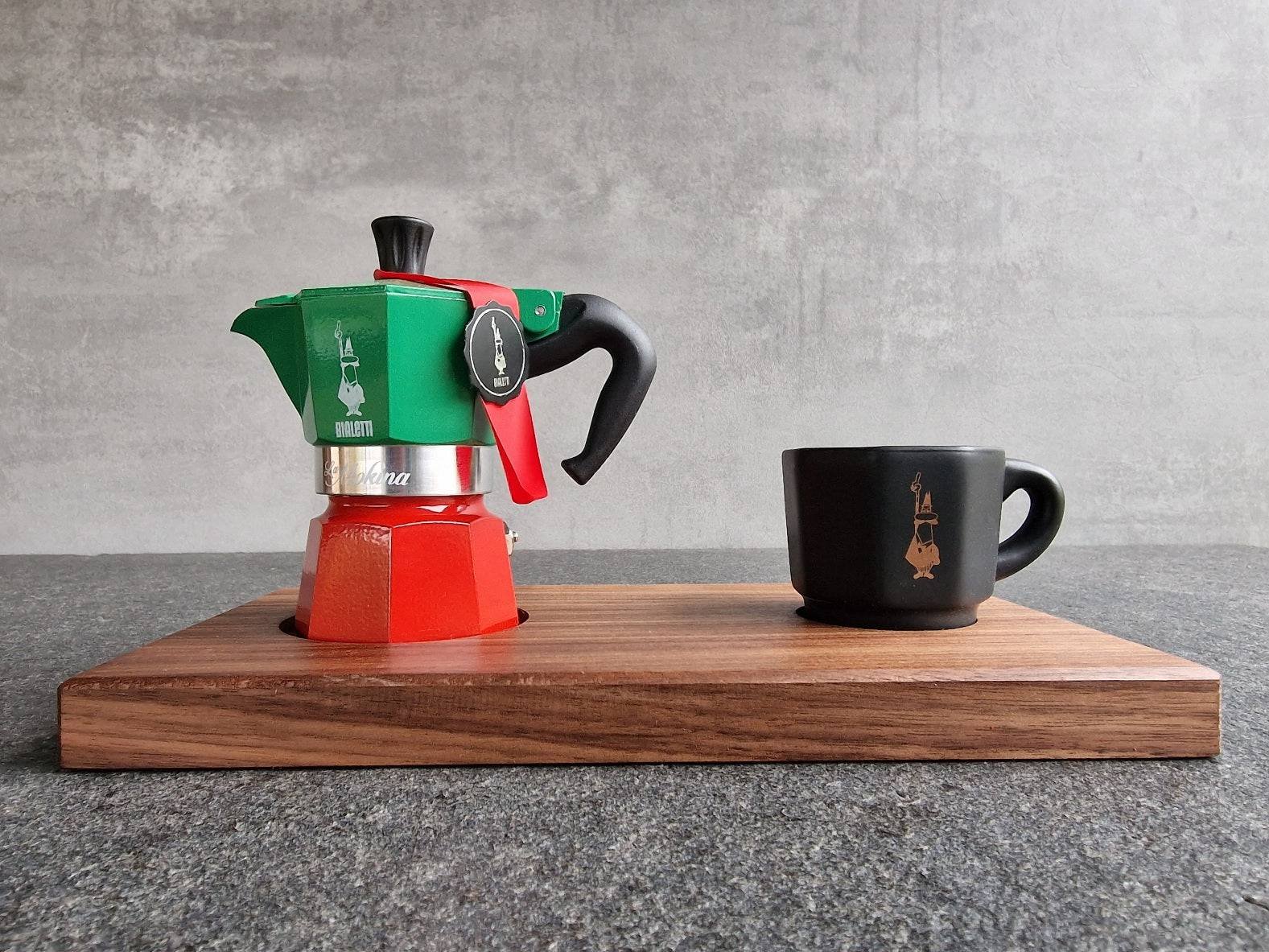
The Bialetti Moka, a symbol of Made in Italy and found in almost every Italian kitchen, is about to change hands. The Chinese holding Nuo Capital has announced the purchase of around 78.6% of Bialetti Industrie's shares for 53 million euros, as part of an asset restructuring operation to cope with a high level of financial debt. This step, expected in June 2025, will lead to the company's delisting from the stock market, marking a historic turning point for an Italian icon.
The acquisition was announced in mid-April 2025, with Nuo Capital — an investment fund based in Luxembourg, co-founded by Exor (the Agnelli family's holding) and by Hong Kong's World-Wide Investment Company Limited — acquiring 78.6% of Bialetti Industrie's shares for 53 million euros. The operation is part of a strategy to reduce the company's debt and stabilise its financial position. Closing is expected by the end of June 2025 and will lead to the company's withdrawal from the Italian stock exchange. Nuo Capital, led by tycoon Stephen Cheng, focuses on long-term investments in medium-sized Italian companies, with the aim of supporting their global development, especially in growing Asian markets.
The acquisition did not face particular geopolitical obstacles, unlike other recent operations such as MSC's purchase of ports, but it raises questions about Bialetti's Italian identity. The Moka is more than a product: it is a cultural symbol, and the transfer to foreign ownership could be perceived as a loss for Made in Italy. However, Nuo Capital has stressed its intention to keep production in Italy, preserving its craft heritage.
Bialetti Industrie was founded in 1919 by Alfonso Bialetti in Crusinallo, Piedmont, initially as a workshop producing semi-finished aluminium goods. The real breakthrough came in 1933, when Alfonso invented the Moka, a pressure coffee maker that revolutionised the way coffee was made in Italy. The Moka takes its name from the Yemeni city of Mokha, a historic centre of the coffee trade. The original design was octagonal and made of aluminium, and in 1950 it was modified with softer shapes that have remained unchanged to this day. The Moka quickly became an icon, with over 300 million units sold worldwide. It is present in around 90% of Italian homes and is celebrated in design museums such as the MoMA in New York and the Design Museum in Milan.
The Moka transformed coffee culture in Italy, shifting from consumption mainly in bars to a domestic ritual, democratising access to espresso. Its popularity spread to Europe, Latin America and Australia, becoming a symbol of innovation and tradition.
In 2024 Bialetti closed the year with revenues of 149.5 million euros, up 5.9% from the 141.2 million of 2023. However, the company recorded a net loss of about 1.1 million euros — an improvement on the 2.2 million of 2023 — still reflecting financial challenges. Net financial debt rose to 114.6 million euros. These results were influenced by competition from modern coffee-making methods, such as capsules, and by marketing investments of 6.4 million euros, which contributed to a positive normalised EBITDA of 23.1 million (+20% on 2023). Despite this, the high debt and net loss made the acquisition necessary.
The acquisition represents an opportunity for Bialetti to strengthen its global position, drawing on Nuo Capital's resources and network. However, it could spark debate about Italian cultural identity, with the Moka at risk of losing its status as a national symbol. 2025 could mark a turning point, but the future remains uncertain, with debt and competition continuing to weigh.
The Bialetti Moka, born in 1933 as an innovative solution for making coffee at home, remains an icon of Italian design and culture. With over 300 million units sold and a widespread presence, the Moka is far more than a coffee maker: it is a symbol of tradition and craftsmanship. The acquisition by Nuo Capital marks a new era, which Bialetti will have to navigate while keeping its Italian heritage alive and opening up new opportunities on the international stage.
With La Merce, manufacturing an Italian-branded product in Asia means governing quality and supply chain control: the Bialetti case shows that ownership can change, but it is production standards that determine what actually reaches the shelf.
Sources
Independent checks on the figures cited, verified in-house.
Read related articles
Italian hyper-depreciation: confirmation due 60 days after approval
Hyper-amortisation and foreign machinery: the Made in EU rule is dropped
OEM vs ODM: two key acronyms for creating a product under your own brand
China producer prices are rising: what changes for buyers
European preference in public procurement: bids below 50% can be rejected
Lithium batteries in containers: thousands travel undeclared
Congestion at Chinese ports: ten-day waits before Golden Week
WTO barometer: world trade is growing, but containers fall below trend
Fashion imports from China down 8.1%: what the figure says about suppliers

SVHC substances and importer obligations: the list rises to 253 entries
Chinese exports to Europe: just +6.6% while the rest of the world races ahead

Ten-T corridor delays Italy: Confetra's warning on Brenner and Terzo Valico
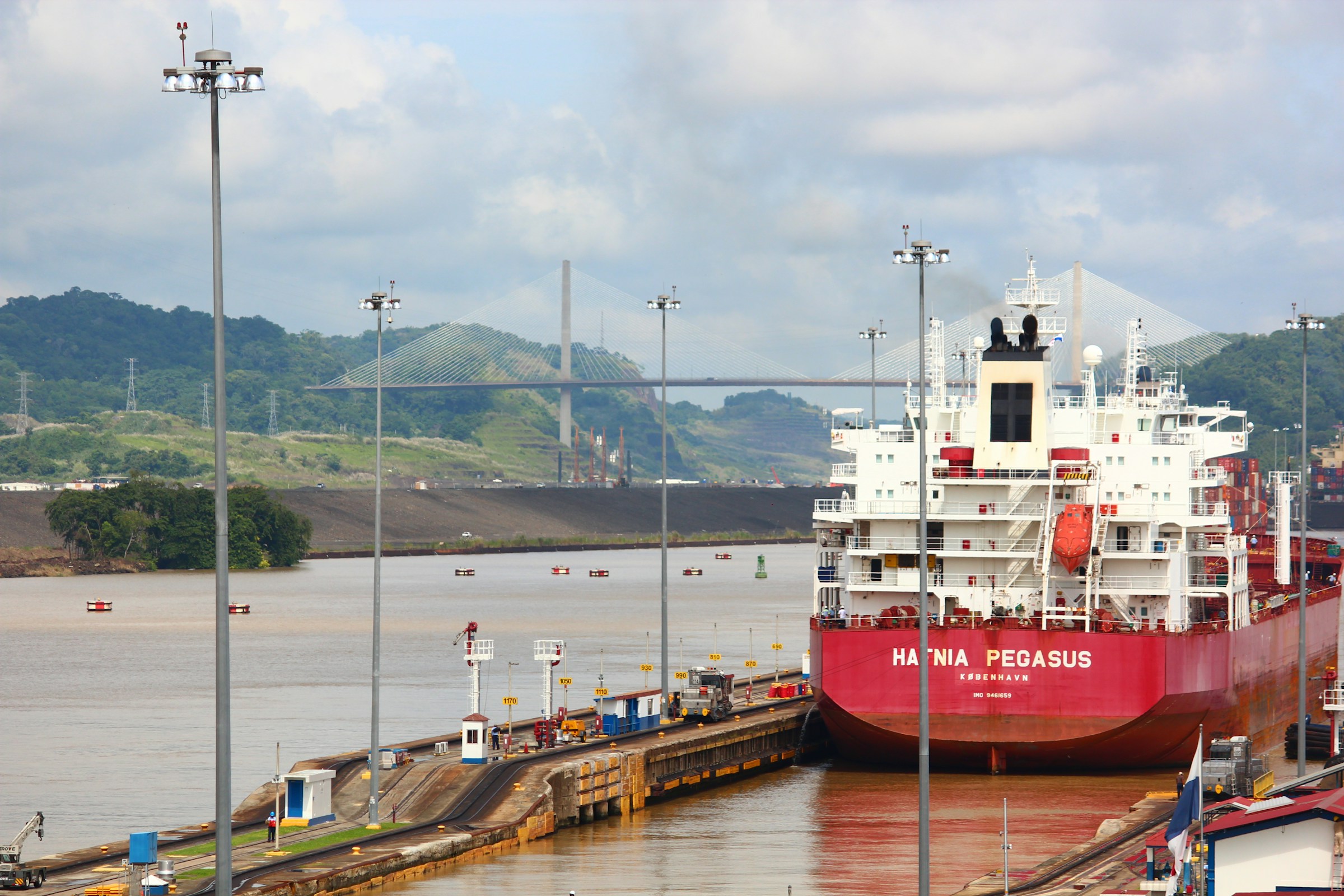
Panama Canal draft restrictions: Neopanamax cut postponed
Shanghai-Genoa container rates down 10%: what changes for those importing from China

Demurrage and detention charges disputed: Samsung seeks $186 million from CMA CGM at the FMC

Back to Suez: transits up 36% in August, but the route is only halfway there
Steel imports: "melt and pour" traceability starts on 1 October
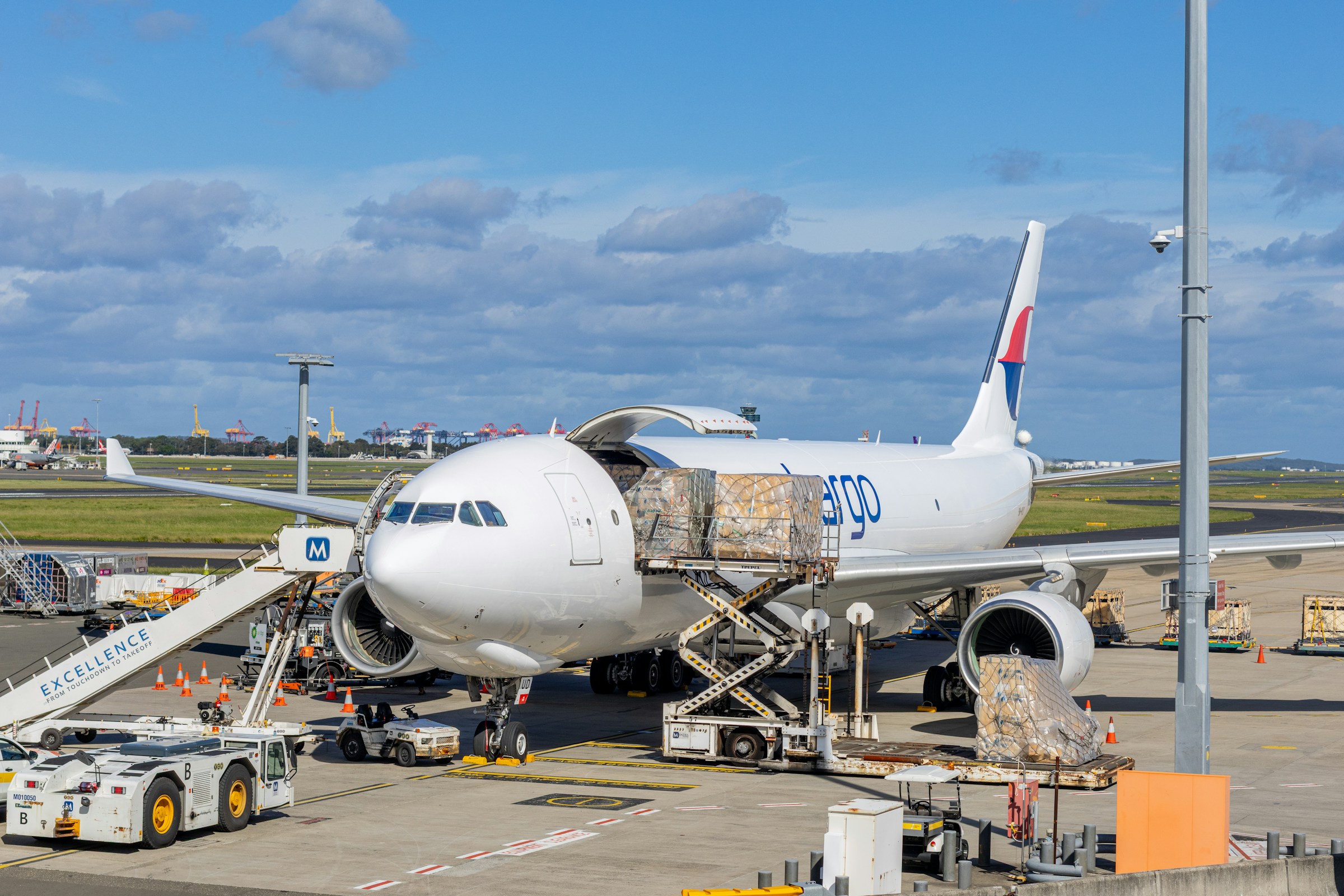
China-Europe air cargo: the decline stops, what changes for importers
Goodbye to the €150 exemption: the EU parcel duty rewrites the rules of e-commerce imports
Beyond the electric car: China's new export wave of robots, AI and medicines
Steel: EU 50% tariff and new origin rules — what changes for importers
Air freight: when cargo takes flight, every detail counts

Customs checks on electronics imports: how to avoid penalties and optimise compliance
MSC is about to buy up ports around the world for 23 billion dollars
Import-export of jewellery and precious metals: what Italian law really says
How much does China really export? Figures and opportunities of the trade giant

The 5 questions we always ask our suppliers
Incoterms: the basics of international trade