China to Europe shipping time: sea, rail and air door to door to Italy
WEDNESDAY, 21 OCTOBER 2026
About 30-32 days by sea via Suez, 10-15 more around the Cape, 13-20 by rail: how long each mode really takes, what stretches lead times and how to plan orders before Chinese New Year.
China to Europe shipping time ranges from just over a week by air to about a month by sea via Suez, with rail in between. For an importer in Italy, though, the real delivery date depends less on the mode than on everything before and after the journey: factory pickup, export customs, port waiting time, the routing chosen by the carrier, customs clearance and final delivery.
Anyone asking how long a container takes from Shanghai often gets a single figure, the sea leg. This guide works door to door instead: how long each mode takes, what predictably stretches lead times (Chinese holidays, ship diversions, inspections) and how to build an order calendar starting from the date the goods are needed in the warehouse.
China to Europe shipping time: the quick overview
The figures below are indicative times published by forwarders and carriers, checked against at least two sources. They are the starting point for planning, not a promise: the exact time comes from the booking confirmation of the specific service.
- Sea via Suez, from Shanghai to a logistics hub in Northern Italy: about 30-32 days, including the inland leg from Genoa.
- Sea around the Cape of Good Hope: 10 to 15 days longer than the Suez route.
- Rail from Xi'an to Milan: between 13 and 20 days station to station, depending on the operator and the border crossing.
- Air: the flight takes less than a day, but acceptance, consolidation and customs clearance stretch the door-to-door time.
- Chinese New Year 2027: Saturday 6 February, with factories slowing down in the weeks before.
By sea: how it adds up to a month door to door
Container shipping remains the normal choice for medium and large volumes. A consolidated service from the Far East lists 30 days from Shanghai to its Campogalliano hub near Modena, via the port of Genoa; an intermodal service from a major carrier listed 32 days from Shanghai to delivery in Piacenza. Both figures refer to the Suez routing and include the leg from the port inland.
The port of loading matters. In the same tables, departures from Southern China (Shenzhen, Yantian) arrive a few days earlier than those from Shanghai, while northern ports such as Qingdao add days. A buyer with a supplier in Guangdong should therefore not use the same lead time as one buying in Zhejiang or Shandong.
Sailing time has to be added to the land steps: pickup and delivery to the terminal, container cut-off a few days before departure, possible transshipment at an intermediate port, discharge in Genoa or La Spezia, customs clearance and transport to the warehouse. For consolidated (LCL) shipments, where one container carries several customers' goods, add consolidation time at origin and deconsolidation at destination.
Red Sea: Suez or the Cape of Good Hope
Since late 2023, attacks in the Red Sea have pushed most container ships onto the route around Africa. Sailing around the Cape of Good Hope adds 10 to 15 days on Asia-Europe trades, according to estimates cited by industry analysts; other sources put it at about 10 days for individual rotations.
In autumn 2026 several carriers brought some Asia-Europe services back through the Suez Canal, but gradually, partially and reversibly. As a result, two ships leaving Shanghai on the same day can reach Italy almost two weeks apart. It is worth asking the forwarder, for each booking, which routing that service follows and which transit time the estimated arrival date is based on.
By rail: the middle way between sea and air
Freight trains crossing Kazakhstan, Russia or Belarus and Poland connect inland Chinese cities with Europe. One international operator's tables show 18-20 days from Xi'an to Milan and 20-22 days from Chengdu, with several departures a week; another operator gave 13 days on the Xi'an-Milan route. The difference depends on the service, the delivery point and the border crossing: the gauge change on the Belarus-Poland border, at Brest and Małaszewicze, is a point where trains can be held up.
Rail suits medium-value goods, urgent restocking and suppliers located far from the coast. It should be assessed case by case, also considering transit restrictions and space availability at peak times.
By air: fast, but not in a day
The flight from a Chinese airport to Milan Malpensa takes less than a day, but cargo does not fly the moment it is ready. It has to be handed to the origin handler, consolidated with other shipments, loaded on the first flight with space and, on arrival, cleared through customs before delivery. Economy services, which wait for a flight with cheaper space, are slower than direct or express services.
Air makes sense for samples, spare parts, light and valuable goods, and launches with fixed dates. For everything else the cost per kilo makes it an exception, useful mainly when a delay at sea could lose a sale or stop a production line.
What stretches lead times: holidays, congestion and inspections
The first predictable cause of delay is the Chinese calendar. In 2027 the New Year falls on Saturday 6 February, according to Hong Kong's official calendar; mainland China usually publishes its holiday schedule towards the end of the year. Production slows in the two or three weeks before the festival and resumes gradually afterwards, as some workers return later. The National Day week, from 1 to 7 October, has a similar but shorter effect.
On top of these periods come demand peaks before the holidays, which fill ships and cause rolled bookings, congestion in European ports when many ships arrive together, and inspections on arrival. A declaration with an uncertain customs code, a missing certificate or goods selected for physical inspection can hold a container for days. These delays cannot be eliminated, but they can be reduced by preparing documents before the goods leave.
A worked example: planning backwards
Hypothetical example. A company needs 2,000 items in its Milan warehouse on 15 March 2027. The supplier is in Shanghai and production takes 35 days. To be safe, the plan assumes the Cape of Good Hope routing.
Start from the end: 5 days for customs clearance and delivery mean the ship must reach port by 10 March. With 42 days at sea, it must sail by 27 January. Another 5 days for pickup, export customs and container cut-off put goods ready on 22 January; 2 days of pre-shipment inspection set the end of production at 20 January. With 35 days of production, the order must be running from 16 December 2026, with the sample approved and the deposit already paid. If production slips by two weeks, the goods land right in the slowdown before Chinese New Year and 15 March becomes unrealistic. By rail, all else being equal, the margin widens by about three weeks.
How to plan orders from China
The practical rule is to think in windows, not single dates. Agree in writing with the supplier the last order acceptance date before the holidays, the end-of-production date and the date of handover to the carrier; ask the forwarder for the routing and the door-to-door time of the booked service; keep safety stock at least equal to the gap between the Suez and Cape routings until the return to the Red Sea is stable.
With La Merce, an order due in March 2027 is set up now, with the 6 February Chinese New Year written into the production calendar, the inspection booked before factories close and the choice between sea and rail made on that supplier's real door-to-door days.
Sources
Independent checks on the figures cited, verified in-house.
- Transmec Group — Far East, far better: servizio consolidato Estremo Oriente-Italia via Genova
- Container News — CMA CGM enhances Italy intermodal services
- Zencargo — Red Sea Shipping 2026: how will the Suez Canal reopening affect your supply chain
- Mighty Shipping — Suez Canal resumption underway: carriers gradually return to the Red Sea
- Dimerco — Rail freight transport China-Europe
- ColliCare — Rail freight and logistics from China
- GovHK — General holidays for 2027
- Drip Capital — Chinese New Year 2027
Read related articles

Port of Trieste: containers up 22.3% in the third quarter, but trains down 14%

Port of Rotterdam container throughput: full imports up 8.9%, transhipment down 20%

Ocean freight rates rebound: Shanghai-Genoa up 7% after 13 weeks of decline

EU ETS shipping: carriers buy almost 20% of EU allowances

Container ship delays: only 4% on time from Asia to Europe in September
Container cost from China to Europe: every cost item and a worked example

Truck stoppage in Calabria and Sicily: deliveries at risk from 9 to 20 October
Air cargo in September: demand +6% and ever shorter contracts

Asia-Europe container rates: twelve weeks of decline, Shanghai-Genoa at 3,702 dollars

Container connectivity at Italian ports: Genoa, Gioia Tauro and La Spezia decline
Sicily truck stoppage from 16 to 20 October: how to protect deliveries

Pinglu Canal: 560 kilometres less to reach the sea
New Maersk container ships: 26 units delivering from 2029
Diesel price at 2026 highs: what reaches your deliveries
Suez transits: the return is mostly on voyages back to Asia
Four Gemini services return to the Suez Canal: what changes for Ligurian ports
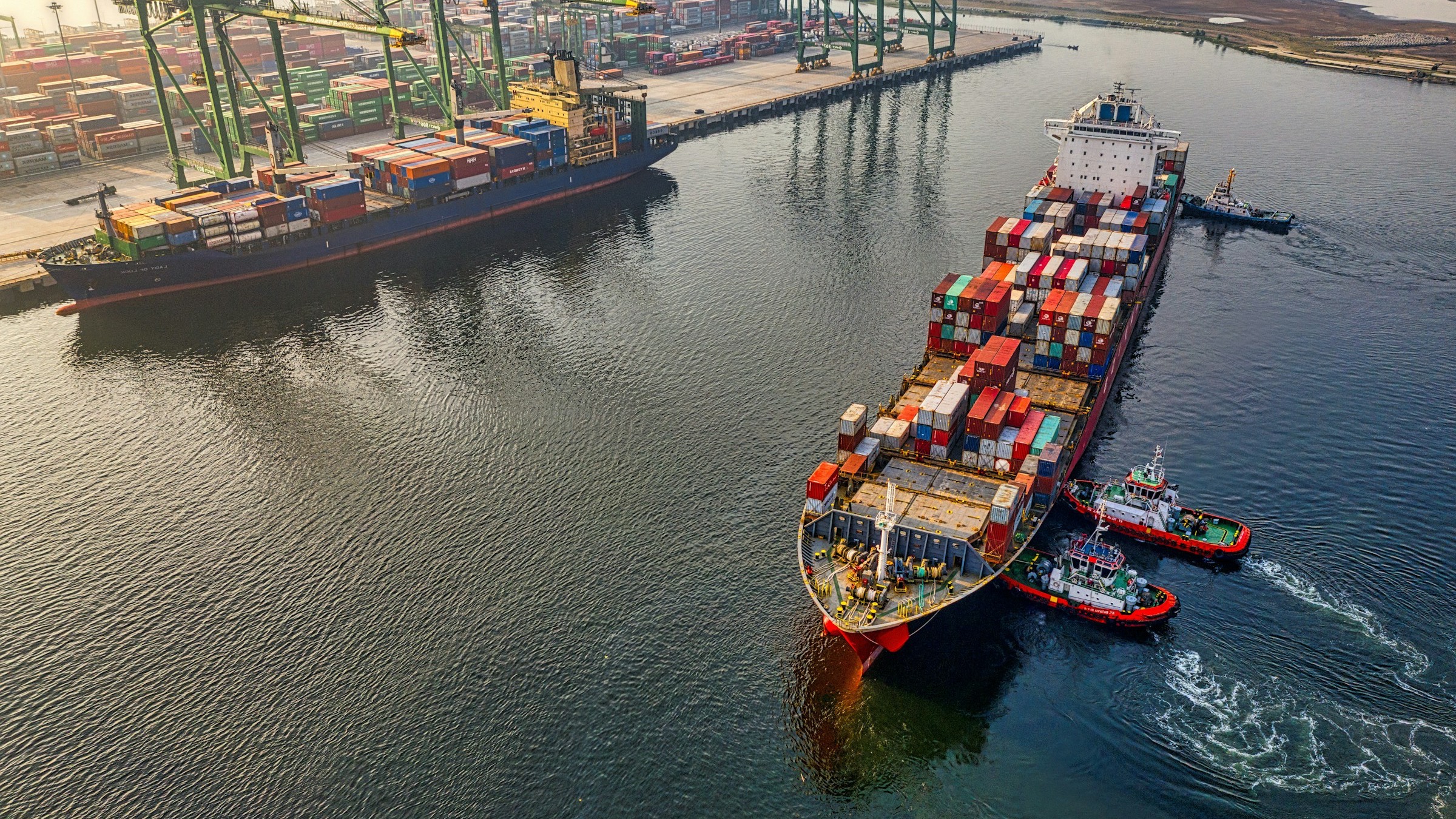
Congestion at Chinese ports: ten-day waits before Golden Week

Ten-T corridor delays Italy: Confetra's warning on Brenner and Terzo Valico

Panama Canal draft restrictions: Neopanamax cut postponed

Shanghai-Genoa container rates down 10%: what changes for those importing from China

Demurrage and detention charges disputed: Samsung seeks $186 million from CMA CGM at the FMC

Back to Suez: transits up 36% in August, but the route is only halfway there
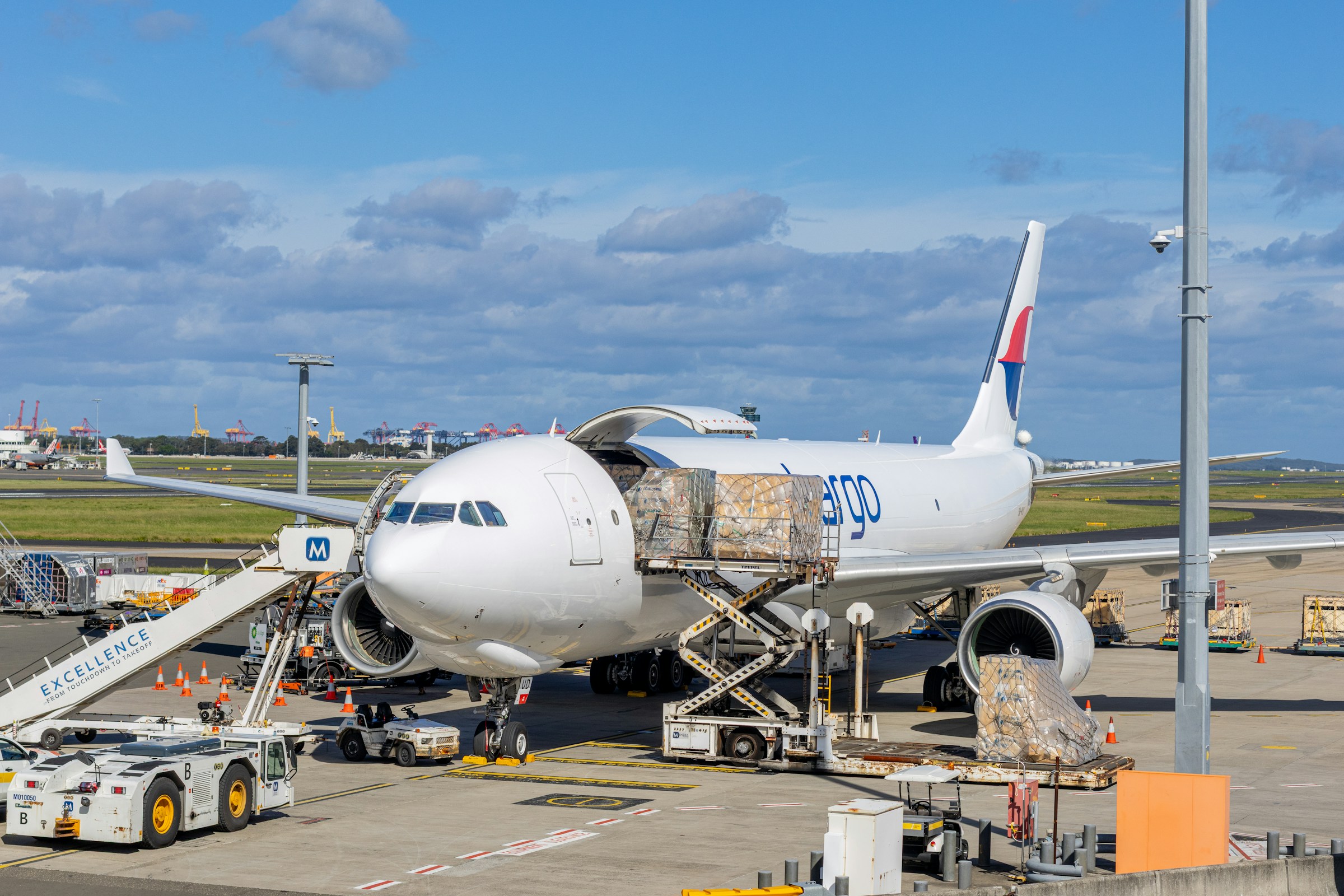
China-Europe air cargo: the decline stops, what changes for importers
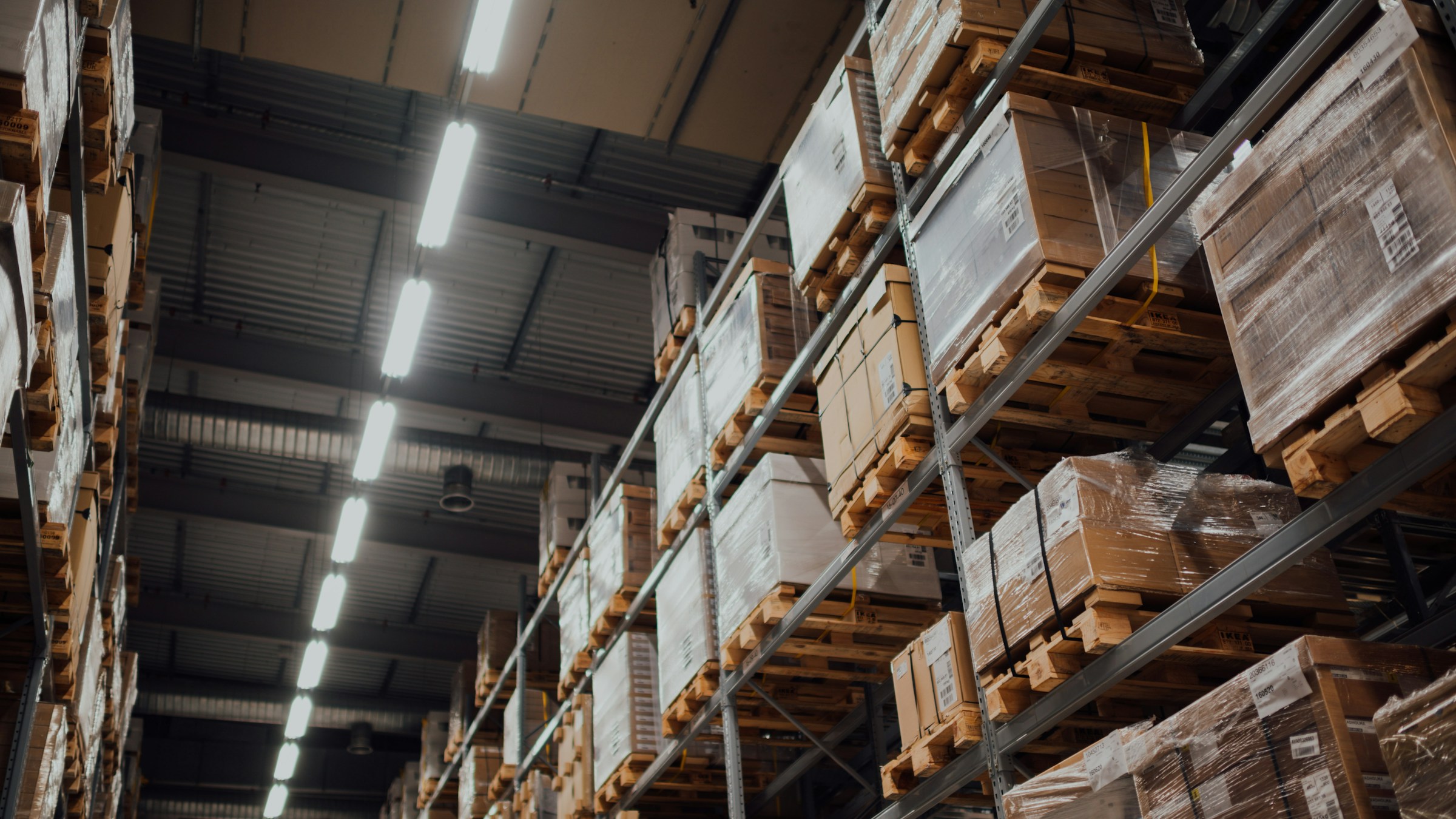
Goodbye to the €150 exemption: the EU parcel duty rewrites the rules of e-commerce imports
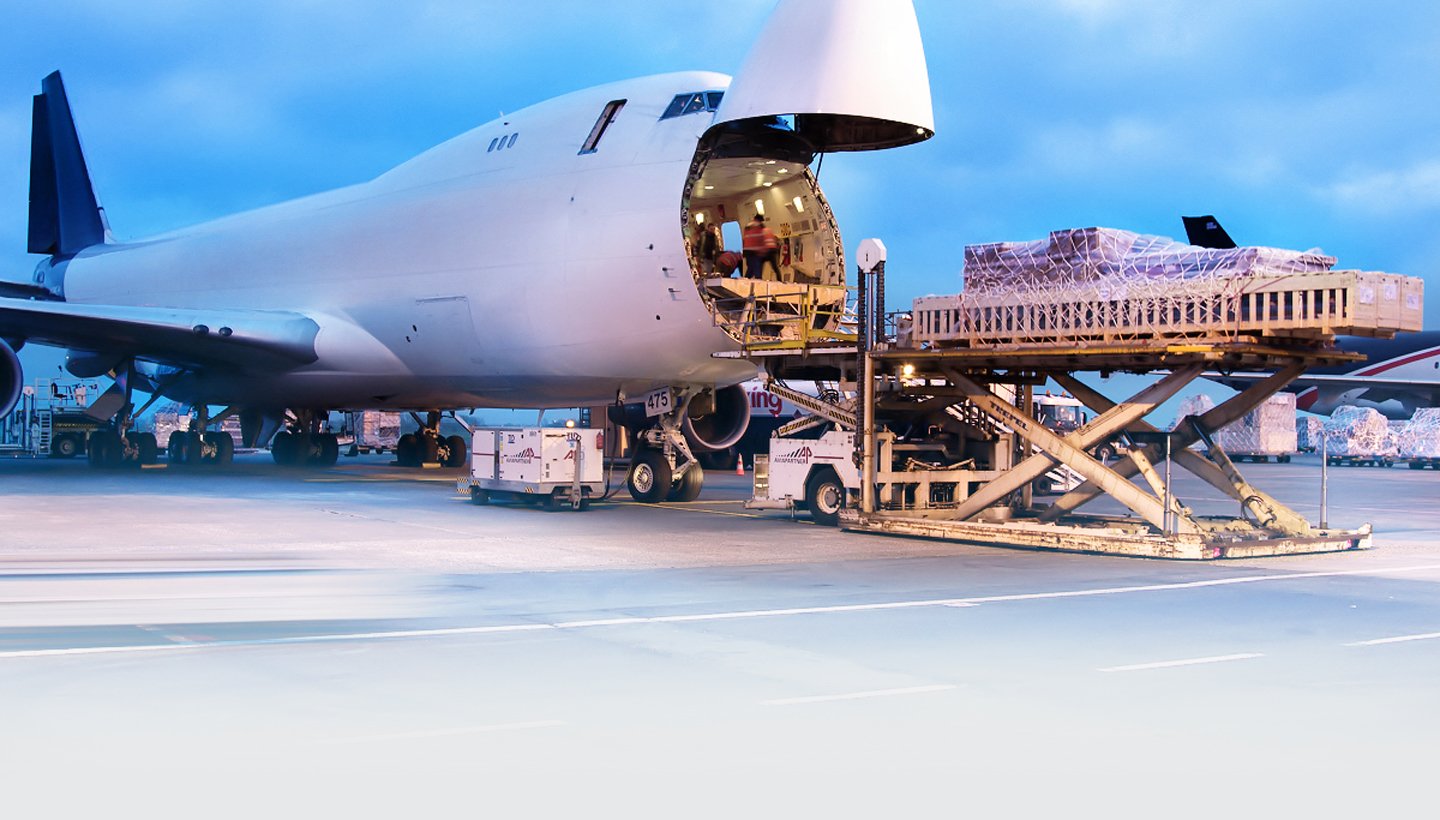
Air freight: when cargo takes flight, every detail counts

MSC is about to buy up ports around the world for 23 billion dollars

Incoterms: the basics of international trade
Supplier payment terms in Italy: only 42.3% paid on time, and 30.5% rely on one customer

Import VAT EU: taxable base, deferral, deduction and VAT ceiling in Italy
Dual-use export controls: China requires licences for tunnel boring machines and drone parts from 18 November

China GDP growth 2026: 4.5% in the third quarter, consumption stuck at 1.1%

Preferential and non preferential certificate of origin: differences, EUR.1 and chamber of commerce
Chinese battery storage: output up 110% to over 420 GWh in six months

TARIC code lookup: the 10 digits, the EU database and Binding Tariff Information
EU safeguard measures: Chinese chemicals and machinery targeted after the summit

Customs clearance in Italy for goods from China: how it works, the documents and the customs entry

China export controls: 14 technologies to be banned in AI, biotech and solar

How to find reliable suppliers in China: five channels and how to spot a real factory

Canton Fair 2026 opens with 32,000 exhibitors, running until 4 November
China rare earth exports: 4,270 tonnes in September, faster EU licences

EORI number Italy: what it is, how to get one and how to check it before your first import

China trade surplus: exports up 36.3% in September, surplus with the EU at 34.8 billion
China producer prices up 5% in September, the fastest since 2022

Import duty from China to EU: how to calculate it, with a worked example

China export tax rebate: electric vehicles cut to 9% from 2027, e-cigarettes out

How to get CE marking: the steps and the importer's obligations
EU China trade deal: fewer hybrids and lower tariffs on €4 billion
Critical raw materials strategic projects: the EU picks 46, five in Italy

Trademark registration grant: Italy's Marchi+ 2026 refunds up to 9,000 euros per trademark abroad
World trade forecast: WTO raises 2026 goods growth to 3.9%

How to import from China to Europe: a step-by-step guide for businesses

After Golden Week: what to expect from Chinese factories and shipping

China's battery plan: parts-per-billion defects by 2030

Sourcing by Italian SMEs: 86% domestic, but non-EU rises to 22%
Hyper-depreciation or tax credits: what the UPB says about machinery incentives
China's manufacturing PMI at 50.1: factory costs and prices rise

European 301 tool against China: what we know and what we don't

Digital DeCA in Spain from 5 October: what changes for road freight
Industrial profits in China: +15.7%, but clothing and furniture fall
Extra-EU imports in August: +17.2%, from China +16%

US-China tariffs cut on 30 billion: what changes for buyers in China
Transport packaging rules and the PPWR: 40% reusable by 2030
Industrial robots in China: 354,000 installed in 2025, 59% of the world

Leather excluded from the EUDR: what changes for importers from 7 October
Chinese trucks assembled in Europe: the Steyr plant in Austria

Supply chain risk monitoring: only 20% do it continuously

EU customs reform: what changes now and what in 2028

Costume jewellery imported from China: 49,512 items stopped in Genoa

Italian stone exports: value up, volumes down
European steel protection and the bill for those who transform it
The Italian small parcels tax is postponed to 30 November

China's electronics five-year plan: 30 trillion yuan by 2030
German import VAT reform: less cash tied up at the port
Italian exports in the second quarter of 2026: what the +7.9% really says
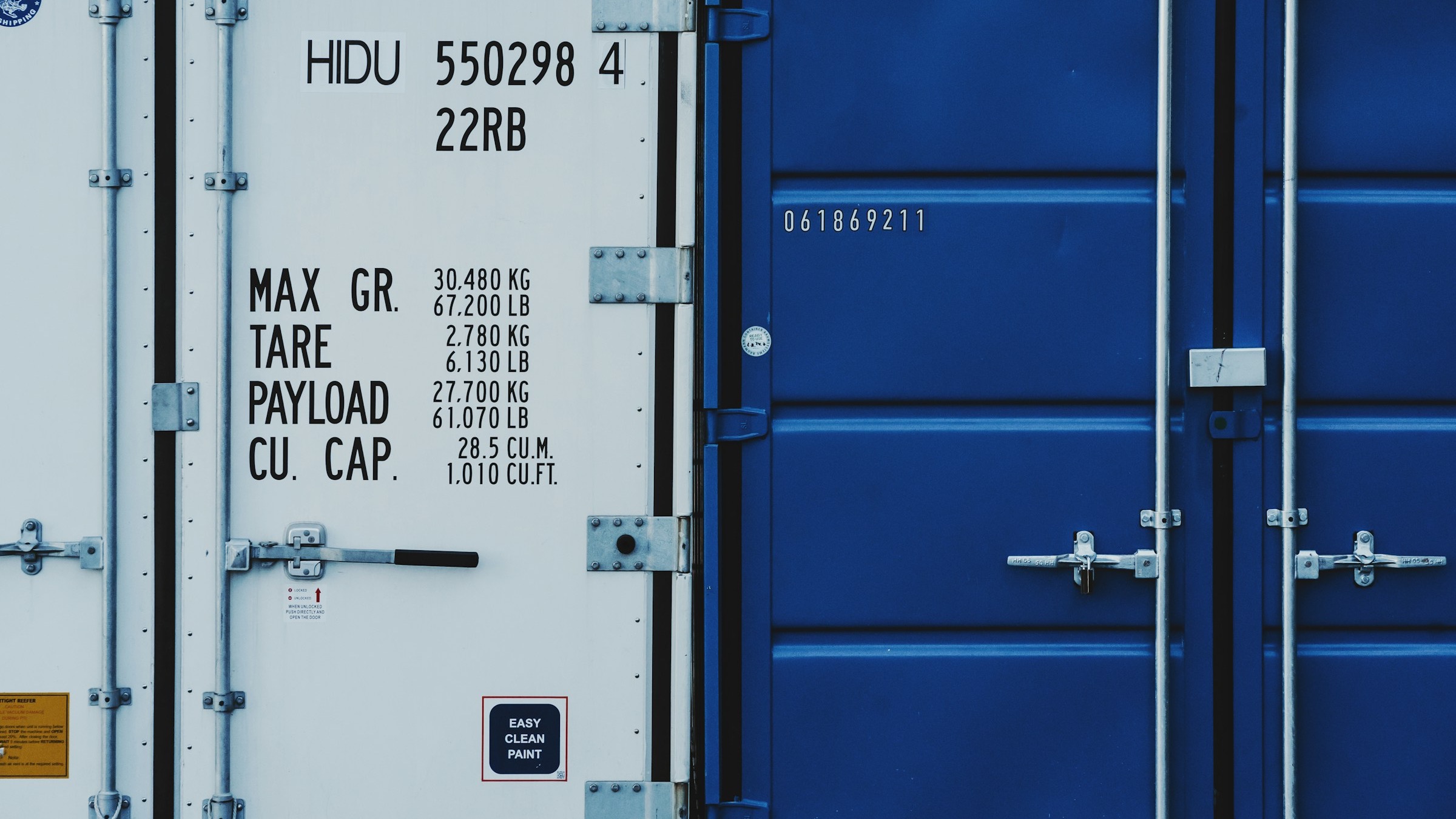
Container inspections: deficiencies in more than one unit in ten
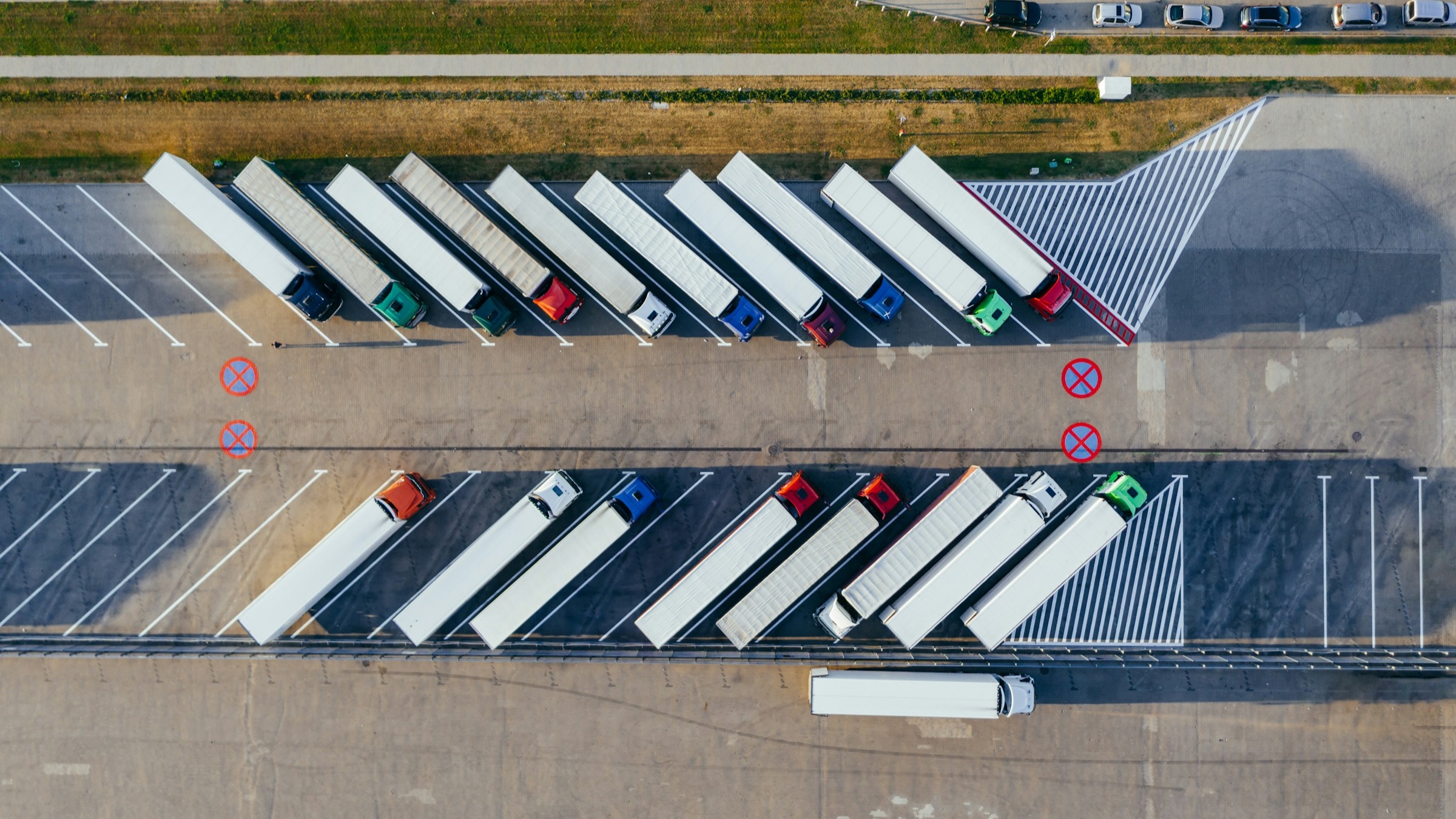
Digital customs in Norway: with Digitoll, who reports what changes
Italian hyper-depreciation: confirmation due 60 days after approval

China producer prices are rising: what changes for buyers

European preference in public procurement: bids below 50% can be rejected

Lithium batteries in containers: thousands travel undeclared

WTO barometer: world trade is growing, but containers fall below trend
Fashion imports from China down 8.1%: what the figure says about suppliers

SVHC substances and importer obligations: the list rises to 253 entries
Hyper-amortisation and foreign machinery: the Made in EU rule is dropped

Chinese exports to Europe: just +6.6% while the rest of the world races ahead
Steel imports: "melt and pour" traceability starts on 1 October
Beyond the electric car: China's new export wave of robots, AI and medicines

Steel: EU 50% tariff and new origin rules — what changes for importers
Customs checks on electronics imports: how to avoid penalties and optimise compliance

The Bialetti Moka changes hands: one of Italy's most iconic objects becomes Chinese

Import-export of jewellery and precious metals: what Italian law really says

How much does China really export? Figures and opportunities of the trade giant

OEM vs ODM: two key acronyms for creating a product under your own brand

The 5 questions we always ask our suppliers