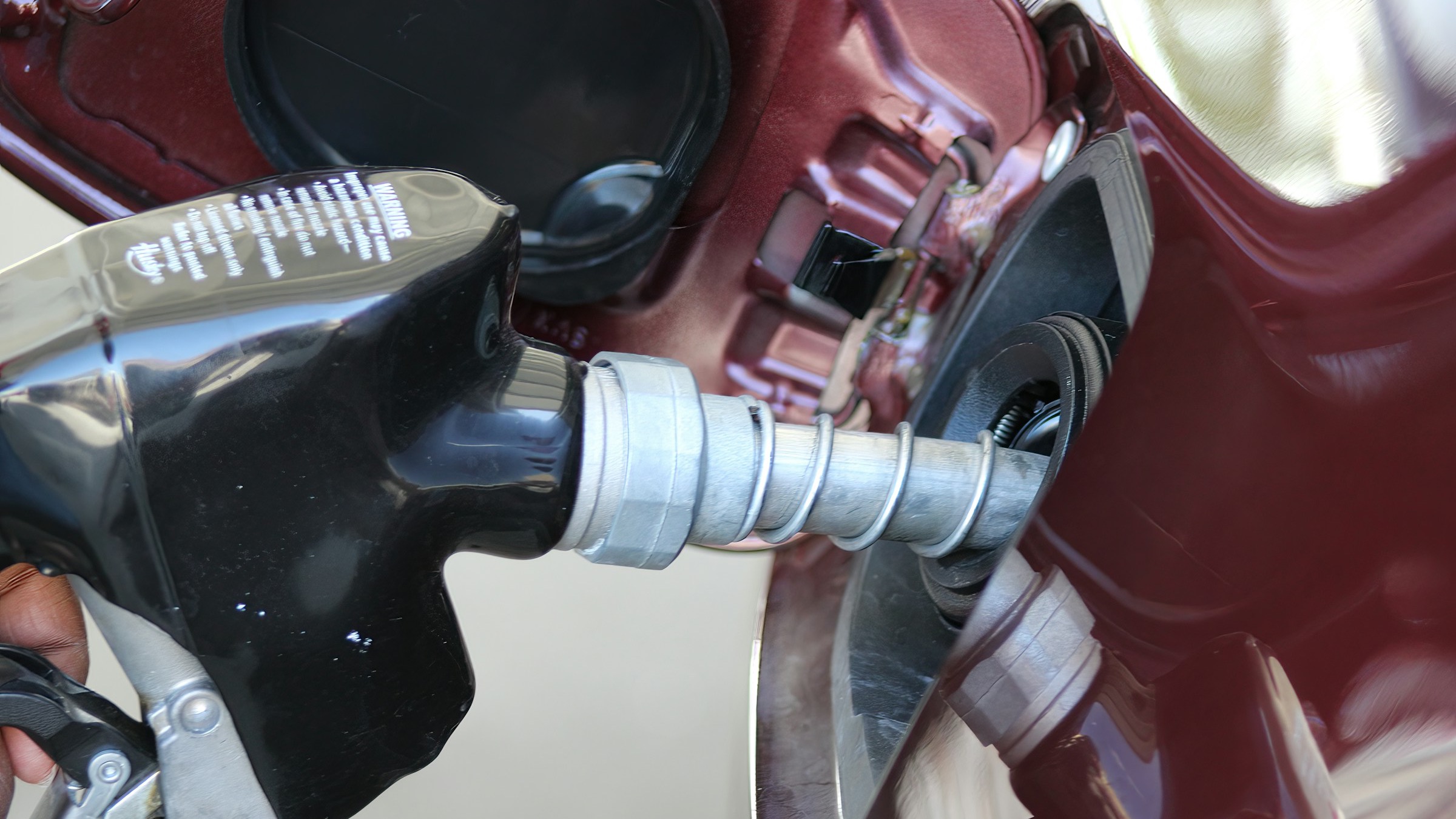
Diesel price at 2026 highs: what reaches your deliveries
FRIDAY, 18 SEPTEMBER 2026
Otto centesimi al litro fra rete ordinaria e autostrada. Ma quanto pagherete dipende dall’indice e dal ritardo scritti nel vostro contratto di trasporto.
The diesel price in Italy is at its highest this year, with Brent close to 110 dollars a barrel. For importers this is not a business-pages story: it is a cost that comes back through the side door, via the fuel clauses in transport contracts.
Diesel price: where we are
Mid-September figures show a level not seen this year.
- Self-service diesel, national average: 2.266 euro per litre
- Self-service diesel on the motorway network: 2.346 euro per litre
- Cheapest region, Marche: 2.237 euro per litre
- Most expensive province, Bolzano: 2.310 euro per litre
- Brent: close to 110 dollars a barrel
Between the ordinary network and the motorway one there are eight cents a litre of difference, and between the cheapest and dearest points in Italy a little over seven.
The pump price is not the price of oil
It is worth pausing here, because the shortcut is always the same: crude goes up, diesel goes up. That is only partly true.
At least five components live inside the price you read at the pump: the cost of the raw material, the refining margin, excise duties, value added tax and distribution costs. Each moves on its own timing. A rise in crude reaches the pump with a variable delay, damped or amplified by the other items; a change in excise duties moves the price without oil having moved a dollar.
There is a geographical reason behind the internal differences too. The pump price varies from region to region because of distribution costs, network density and local competition: the tax components are the same everywhere, what changes is the rest. That is why the gap between Marche and Bolzano does not come from excise duties.
The practical consequence is that you cannot estimate the effect on your own costs by looking at the barrel. You need the price of the finished product, the one your haulier actually pays.
How it reaches your deliveries
Almost every haulage contract contains a fuel adjustment clause. It is the mechanism by which the carrier passes diesel changes on to the customer, and it works far less automatically than people assume.
Three elements decide how much and when you will pay. The first is the reference index: a weekly average, a monthly one or a ministerial survey give different results for the same increase. The second is the lag: if the clause looks at the previous month's average, September's peak turns up on an October invoice. The third is the trigger threshold: many clauses apply only above a certain percentage change, and below it the cost stays where it is.
It is worth saying precisely: these are the typical contractual mechanisms, not a forecast of how much your rates will rise. What you pay depends on your contract, not on the national average.
What to check now
The first thing is to re-read the clause. Knowing which index it uses and with what lag lets you anticipate a change by weeks, instead of discovering it on an invoice. In most contracts it is written in two lines nobody has read for years.
The second concerns routes. Eight cents a litre between the ordinary and motorway networks is nothing on a single refuelling, but across a fleet covering long runs it becomes an item. If you have recurring routes, asking the carrier how it refuels on them is a legitimate question.
The third concerns your own quotes. If you are pricing supplies with delivery included for the fourth quarter, the transport cost you are using is probably August's. Updating it before signing costs less than renegotiating it afterwards.
With La Merce, keeping an eye on the diesel price means knowing which index the fuel clause in your transport contract uses and with how many days of lag it applies, because that is where a September rise becomes an October cost.
Sources
Independent checks on the figures cited, verified in-house.
- Teleborsa — ANSA — Carburanti: prezzo benzina self a 2,143 euro e gasolio a 2,26
- Newsauto — Prezzi benzina oggi: diesel e benzina ai massimi
- Motorionline — Benzina e diesel, gasolio oltre 2,2 euro: il conto per un pieno
- Notizie.it — Prezzi benzina e diesel: aggiornamenti e tendenze del 16 settembre 2026
Read related articles
Suez transits: the return is mostly on voyages back to Asia
Four Gemini services return to the Suez Canal: what changes for Ligurian ports
Congestion at Chinese ports: ten-day waits before Golden Week

Ten-T corridor delays Italy: Confetra's warning on Brenner and Terzo Valico

Panama Canal draft restrictions: Neopanamax cut postponed

Shanghai-Genoa container rates down 10%: what changes for those importing from China

Demurrage and detention charges disputed: Samsung seeks $186 million from CMA CGM at the FMC

Back to Suez: transits up 36% in August, but the route is only halfway there
China-Europe air cargo: the decline stops, what changes for importers
Goodbye to the €150 exemption: the EU parcel duty rewrites the rules of e-commerce imports
Air freight: when cargo takes flight, every detail counts

MSC is about to buy up ports around the world for 23 billion dollars

Incoterms: the basics of international trade

Italian stone exports: value up, volumes down
European steel protection and the bill for those who transform it
The Italian small parcels tax is postponed to 30 November
China's electronics five-year plan: 30 trillion yuan by 2030
German import VAT reform: less cash tied up at the port
Italian exports in the second quarter of 2026: what the +7.9% really says
Container inspections: deficiencies in more than one unit in ten
Digital customs in Norway: with Digitoll, who reports what changes
Italian hyper-depreciation: confirmation due 60 days after approval

China producer prices are rising: what changes for buyers

European preference in public procurement: bids below 50% can be rejected

Lithium batteries in containers: thousands travel undeclared

WTO barometer: world trade is growing, but containers fall below trend
Fashion imports from China down 8.1%: what the figure says about suppliers

SVHC substances and importer obligations: the list rises to 253 entries
Hyper-amortisation and foreign machinery: the Made in EU rule is dropped

Chinese exports to Europe: just +6.6% while the rest of the world races ahead
Steel imports: "melt and pour" traceability starts on 1 October
Beyond the electric car: China's new export wave of robots, AI and medicines
Steel: EU 50% tariff and new origin rules — what changes for importers

Customs checks on electronics imports: how to avoid penalties and optimise compliance

The Bialetti Moka changes hands: one of Italy's most iconic objects becomes Chinese

Import-export of jewellery and precious metals: what Italian law really says

How much does China really export? Figures and opportunities of the trade giant

OEM vs ODM: two key acronyms for creating a product under your own brand
The 5 questions we always ask our suppliers