MOQ meaning: what minimum order quantity is and how to negotiate it
SATURDAY, 24 OCTOBER 2026
Minimum order quantity explained for importers: why factories set it, why in textiles it applies per colour (500 pieces in three colours become 1,500), how to read it on Alibaba and how to negotiate it.
MOQ meaning: the acronym stands for minimum order quantity, the smallest number of units a supplier is willing to produce or sell in a single order. If a factory states an MOQ of 500, an order for 300 pieces at list conditions will not be accepted.
It is the first figure you meet when you ask a Chinese manufacturer for a quote or browse an online catalogue, and it often decides on its own whether a project goes ahead. This guide explains what the minimum order measures, why factories set it, how it changes by colour and variant, how to read it on B2B platforms and how to negotiate it without paying more than necessary for the product.
MOQ meaning: what the acronym stands for
MOQ stands for minimum order quantity. It is also called minimum order or, on Chinese listings in English, Min. order. It marks the threshold below which the supplier will not work: it is not the price, but the quantity that makes that price possible.
The minimum can be expressed in two ways. The most common is in units: pieces, pairs, metres, kilograms. Alternatively the supplier sets a minimum order value, for example a minimum spend in dollars or euros, leaving the mix open. Some suppliers combine both constraints: a minimum number of pieces per item and, at the same time, a minimum total amount. Before comparing two offers it is therefore worth always asking what the threshold is calculated on.
Why suppliers set a minimum order quantity
The main reason is economic. Every production run has fixed costs that do not depend on the number of pieces: setting up the machine, mounting the mould, adjusting colours, running trials, organising inspection and shipping. On 50 pieces these costs weigh heavily per unit, on 5,000 they almost disappear. The minimum order is the quantity below which the factory cannot recover those costs at the price it has quoted.
The second reason lies upstream. The factory also buys with minimums: fabric mills, plastic resin suppliers and component makers apply minimum quantities of their own. The minimum a supplier imposes on its customer often reflects the one its own supplier imposes on it. Then there is scheduling: a small batch ties up a line that could be working on a larger order, which is why many factories accept reduced quantities only at a higher unit price.
MOQ by colour, size and variant
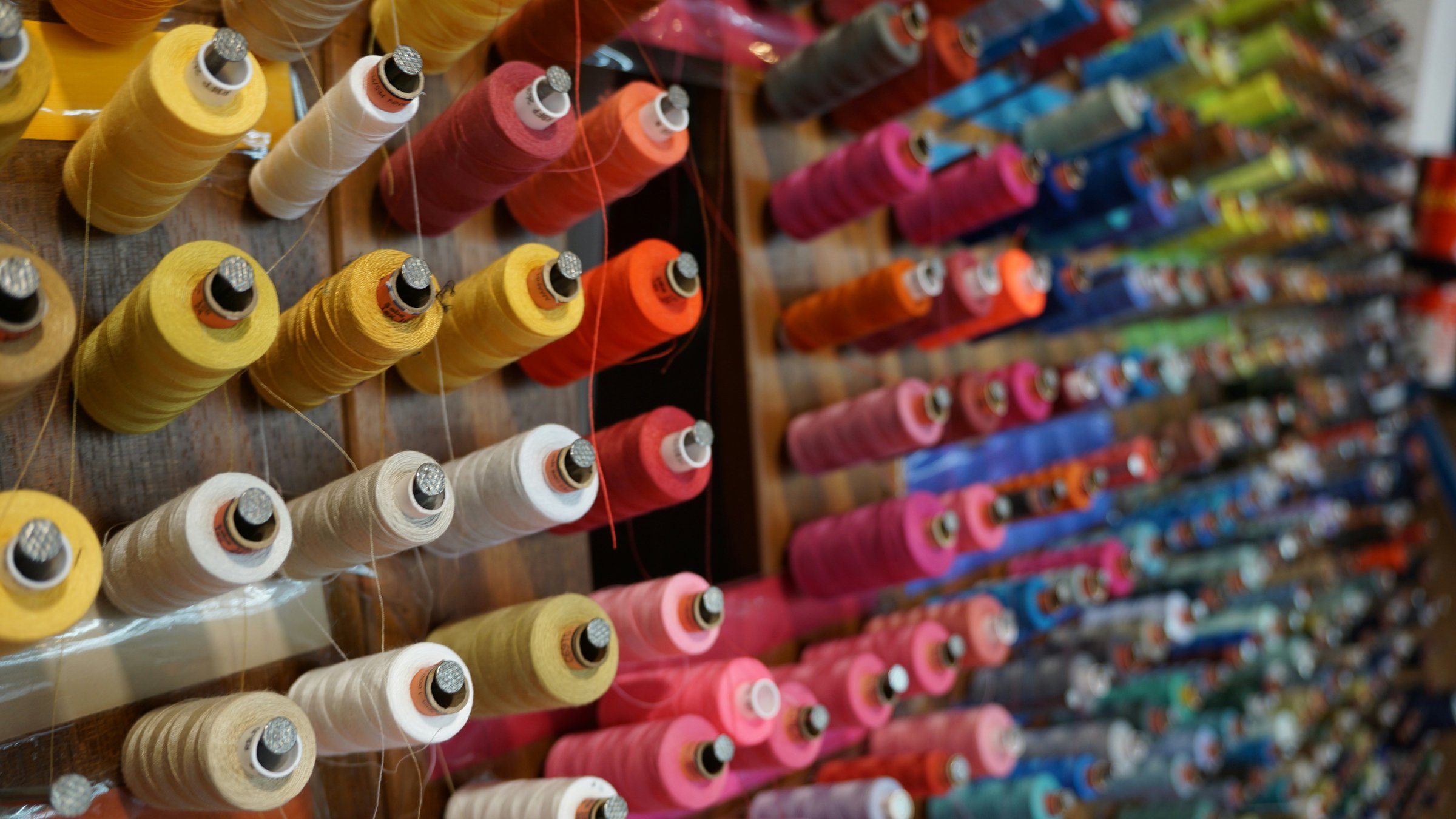
What surprises first-time buyers most is that the minimum often applies not to the whole order but to each variant. In textiles it is the rule: fabric is dyed in lots, so the threshold applies per colour. A supplier answering 500 pieces almost always means 500 pieces per colour, and three colours become a 1,500-piece commitment.
The same holds, for different reasons, in other sectors. In plastics and metals the constraint comes from changing the mould or programming the machine; in printed packaging and labels from the printing set-up. For apparel, thresholds are often stated per style and colour together. Before asking for a quote with many variants, ask explicitly whether the minimum is per item, per colour, per size or per production run.
How high an MOQ can be
There is no standard value. The minimum depends on the product, the degree of customisation, the size of the factory and how much material it already has in stock. Industry guides report thresholds that can exceed 10,000 units for custom industrial runs, while B2B platforms list ready-made items with minimums of a few dozen pieces.
Several factors push the minimum up or down:
- Customisation: a product with custom fabric, colour or components usually carries a higher MOQ than one built from standard materials.
- New mould: when dedicated tooling is needed, the first order often carries a higher minimum because it has to pay for the tooling.
- Material in stock: a factory that already holds the fabric or raw material can accept smaller batches than one that has to buy it.
- Variants: each extra colour or version multiplies the threshold when the minimum is per variant.
- Total volume: some factories set the minimum per production run rather than per item, so several items can be added together.
What MOQ means on Alibaba
On B2B platforms such as Alibaba.com the minimum appears on the product page next to the prices, labelled Min. order, and it is also a search filter: you can enter the quantity you want and see only items with a compatible minimum. Suppliers also set tiered prices that fall as quantity rises: the lowest price highlighted almost always belongs to the highest tier.
The same platform lists ready-to-ship items with minimums as low as 10 units. They are useful for testing a product but usually do not allow substantial customisation. The number shown in the listing is a starting point: for an order with your own brand, colours or packaging, the real minimum is known only from a written quote.
How to negotiate the minimum order
The minimum is often negotiable, but it rarely comes down without giving something in return. The levers that work best are well known:
- Accept a higher unit price for a smaller quantity, so the factory still covers its fixed costs.
- Present the order as a trial batch, showing the volumes expected for repeat orders.
- Use materials, colours or components already in production instead of custom ones.
- Group several items or variants in the same run, when the minimum is calculated on the total.
- Order the full batch but ask for delivery in several instalments, if the problem is storage rather than spend.
It is always worth asking the supplier what its threshold depends on. If the constraint is the fabric, you can look for a colour the mill already has; if it is the mould, you can consider paying for it separately. A reasoned request gets more than a plain request for a quantity discount. The other questions to ask at first contact are collected in our guide to the five questions for suppliers.
Worked example: MOQ per colour and real cost
Hypothetical example. A company wants to order printed cotton tote bags as a promotional item, in three colours. The supplier offers 1.80 euros per piece with a minimum of 500 pieces per colour, or 2.30 euros per piece with a minimum of 300 pieces per colour.
With the first offer the order is 1,500 pieces for 2,700 euros; with the second, 900 pieces for 2,070 euros. At first sight the first is cheaper, because the unit price is 0.50 euros lower. But if the company expects to hand out about 900, the first offer leaves 600 bags in stock and the cost per piece actually used rises to 3.00 euros, against 2.30 euros for the second. On top of that, 630 euros of capital sit in goods that may never be needed. The lowest unit price is not the same as the best purchase: the comparison should be made on the cost of the pieces that will really be used, adding freight, duty and import VAT.
Mistakes to avoid with the minimum order
The first mistake is comparing two quotes on price alone, without checking whether the minimum is per colour or per order. The second is accepting a high threshold to get the discount and then being left with unsold goods. The third is not putting the terms in writing: minimum, price per tier, variants included and lead times belong in the order confirmation, together with the rules for repeat orders.
Finally, a very low minimum is not always a good sign. A factory that accepts any quantity for a custom product may be working with leftover materials or subcontracting the job. Checking the sample and the supplier remains necessary at any quantity.
With La Merce the minimum order is negotiated before the final quote: we ask the factory whether the threshold is per colour or per run and which constraint it comes from, and sampling starts only when the quantity and the cost per piece actually used add up.
Sources
Independent checks on the figures cited, verified in-house.
- Shopify Italia — Cos'è la quantità minima d'ordine (MOQ)?
- Sortly — What is Minimum Order Quantity (MOQ)?
- SFC — What Is MOQ (Minimum Order Quantity)
- Cosmo Sourcing — What Does Minimum Order Quantity (MOQ) Mean in Manufacturing?
- NewBuyingAgent — China Wholesale Suppliers: How MOQ Is Set by Category
- Alibaba.com — What is minimum order quantity (MOQ's Meaning)?
- OneCart — MOQ Meaning: Minimum Order Quantity, Formula & Alibaba Guide 2026
Read related articles
Canton Fair phase 2 opens: home goods and gifts, 23 to 27 October

Private label meaning: how it works, advantages and risks for importers
Supplier payment terms in Italy: only 42.3% paid on time, and 30.5% rely on one customer

China GDP growth 2026: 4.5% in the third quarter, consumption stuck at 1.1%
EU safeguard measures: Chinese chemicals and machinery targeted after the summit

How to find reliable suppliers in China: five channels and how to spot a real factory
Canton Fair 2026 opens with 32,000 exhibitors, running until 4 November

China trade surplus: exports up 36.3% in September, surplus with the EU at 34.8 billion

China export tax rebate: electric vehicles cut to 9% from 2027, e-cigarettes out

Critical raw materials strategic projects: the EU picks 46, five in Italy

How to import from China to Europe: a step-by-step guide for businesses
After Golden Week: what to expect from Chinese factories and shipping
Sourcing by Italian SMEs: 86% domestic, but non-EU rises to 22%

Extra-EU imports in August: +17.2%, from China +16%

US-China tariffs cut on 30 billion: what changes for buyers in China
Supply chain risk monitoring: only 20% do it continuously

Italian stone exports: value up, volumes down
Italian exports in the second quarter of 2026: what the +7.9% really says
China producer prices are rising: what changes for buyers
WTO barometer: world trade is growing, but containers fall below trend
Fashion imports from China down 8.1%: what the figure says about suppliers

Chinese exports to Europe: just +6.6% while the rest of the world races ahead
Beyond the electric car: China's new export wave of robots, AI and medicines

How much does China really export? Figures and opportunities of the trade giant

The 5 questions we always ask our suppliers

Italy small parcel tax: postponed again to 1 January 2027
LCL vs FCL from China: thresholds, transit times and risks
China five-year plan: 22 tasks for core components and materials by 2030

Suez Canal shipping route: 70% of Asia-Mediterranean capacity is back
China electronics manufacturing up 15.8% in nine months, profits doubled
Counterfeit goods seized in Italy: over 5 million items in 2025, toys top the list

China to Europe shipping time: sea, rail and air door to door to Italy

Port of Trieste: containers up 22.3% in the third quarter, but trains down 14%
Import VAT EU: taxable base, deferral, deduction and VAT ceiling in Italy
Dual-use export controls: China requires licences for tunnel boring machines and drone parts from 18 November

Preferential and non preferential certificate of origin: differences, EUR.1 and chamber of commerce
Chinese battery storage: output up 110% to over 420 GWh in six months

Port of Rotterdam container throughput: full imports up 8.9%, transhipment down 20%

TARIC code lookup: the 10 digits, the EU database and Binding Tariff Information

Ocean freight rates rebound: Shanghai-Genoa up 7% after 13 weeks of decline
Customs clearance in Italy for goods from China: how it works, the documents and the customs entry

China export controls: 14 technologies to be banned in AI, biotech and solar

EU ETS shipping: carriers buy almost 20% of EU allowances
China rare earth exports: 4,270 tonnes in September, faster EU licences

EORI number Italy: what it is, how to get one and how to check it before your first import
China producer prices up 5% in September, the fastest since 2022

Import duty from China to EU: how to calculate it, with a worked example

Container ship delays: only 4% on time from Asia to Europe in September
How to get CE marking: the steps and the importer's obligations
EU China trade deal: fewer hybrids and lower tariffs on €4 billion
Container cost from China to Europe: every cost item and a worked example

Trademark registration grant: Italy's Marchi+ 2026 refunds up to 9,000 euros per trademark abroad
World trade forecast: WTO raises 2026 goods growth to 3.9%
Truck stoppage in Calabria and Sicily: deliveries at risk from 9 to 20 October
China's battery plan: parts-per-billion defects by 2030
Air cargo in September: demand +6% and ever shorter contracts
Hyper-depreciation or tax credits: what the UPB says about machinery incentives
China's manufacturing PMI at 50.1: factory costs and prices rise

European 301 tool against China: what we know and what we don't

Asia-Europe container rates: twelve weeks of decline, Shanghai-Genoa at 3,702 dollars

Container connectivity at Italian ports: Genoa, Gioia Tauro and La Spezia decline
Digital DeCA in Spain from 5 October: what changes for road freight
Industrial profits in China: +15.7%, but clothing and furniture fall
Sicily truck stoppage from 16 to 20 October: how to protect deliveries
Transport packaging rules and the PPWR: 40% reusable by 2030
Industrial robots in China: 354,000 installed in 2025, 59% of the world
Leather excluded from the EUDR: what changes for importers from 7 October

Pinglu Canal: 560 kilometres less to reach the sea
Chinese trucks assembled in Europe: the Steyr plant in Austria
EU customs reform: what changes now and what in 2028
New Maersk container ships: 26 units delivering from 2029
Costume jewellery imported from China: 49,512 items stopped in Genoa
Diesel price at 2026 highs: what reaches your deliveries
Suez transits: the return is mostly on voyages back to Asia
European steel protection and the bill for those who transform it
The Italian small parcels tax is postponed to 30 November

China's electronics five-year plan: 30 trillion yuan by 2030
German import VAT reform: less cash tied up at the port
Four Gemini services return to the Suez Canal: what changes for Ligurian ports
Container inspections: deficiencies in more than one unit in ten
Digital customs in Norway: with Digitoll, who reports what changes
Italian hyper-depreciation: confirmation due 60 days after approval

European preference in public procurement: bids below 50% can be rejected

Lithium batteries in containers: thousands travel undeclared
Congestion at Chinese ports: ten-day waits before Golden Week

SVHC substances and importer obligations: the list rises to 253 entries
Hyper-amortisation and foreign machinery: the Made in EU rule is dropped

Ten-T corridor delays Italy: Confetra's warning on Brenner and Terzo Valico

Panama Canal draft restrictions: Neopanamax cut postponed

Shanghai-Genoa container rates down 10%: what changes for those importing from China

Demurrage and detention charges disputed: Samsung seeks $186 million from CMA CGM at the FMC

Back to Suez: transits up 36% in August, but the route is only halfway there
Steel imports: "melt and pour" traceability starts on 1 October
China-Europe air cargo: the decline stops, what changes for importers
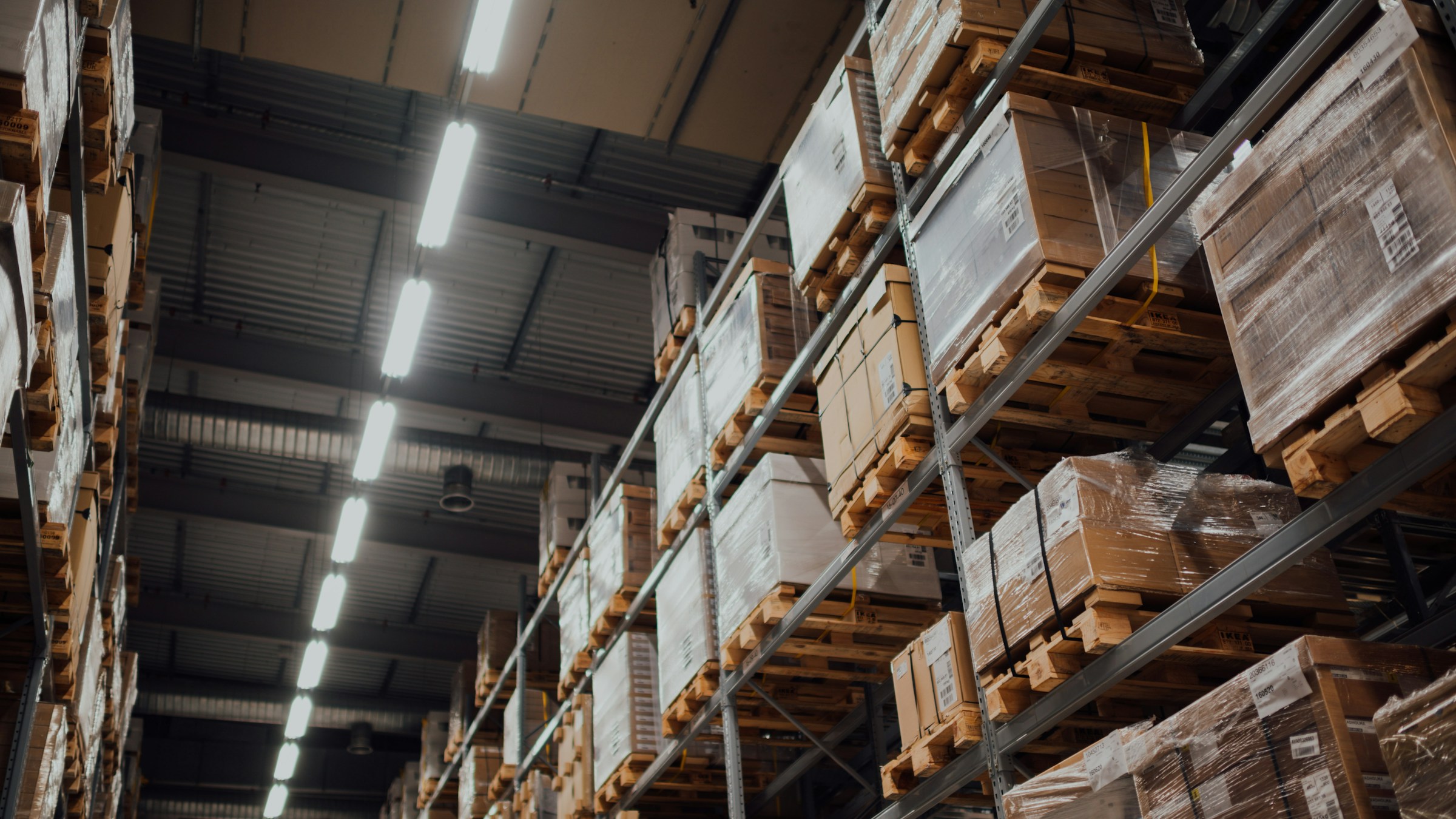
Goodbye to the €150 exemption: the EU parcel duty rewrites the rules of e-commerce imports
Steel: EU 50% tariff and new origin rules — what changes for importers
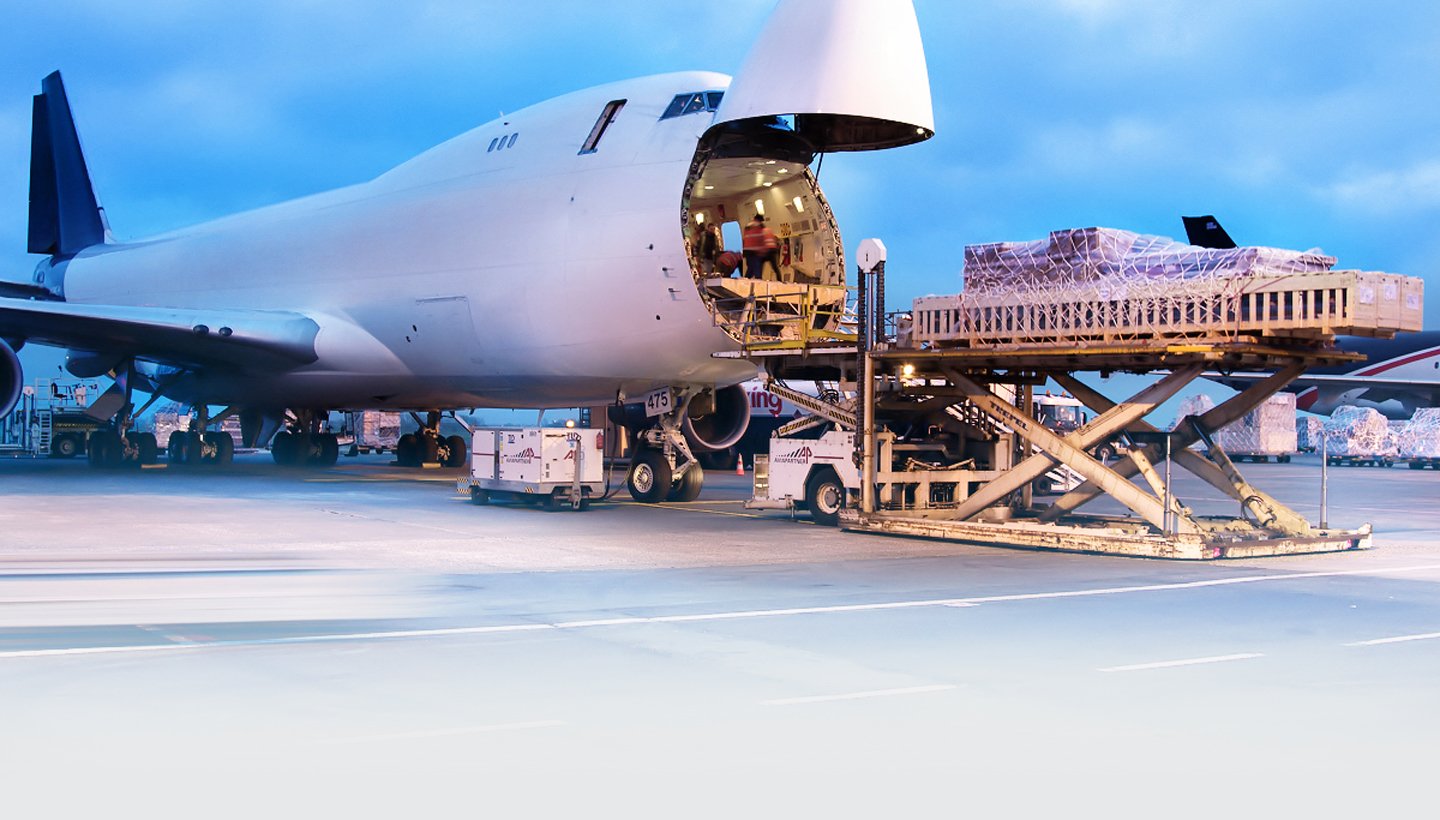
Air freight: when cargo takes flight, every detail counts
Customs checks on electronics imports: how to avoid penalties and optimise compliance
The Bialetti Moka changes hands: one of Italy's most iconic objects becomes Chinese

MSC is about to buy up ports around the world for 23 billion dollars
Import-export of jewellery and precious metals: what Italian law really says
OEM vs ODM: two key acronyms for creating a product under your own brand
Incoterms: the basics of international trade