
Shanghai-Genoa container rates down 10%: what changes for those importing from China
THURSDAY, 10 SEPTEMBER 2026
The spot rate for a 40-foot container on the Shanghai-Genoa route falls to 4,368 dollars, with further declines expected in the coming weeks.
The figure of the week
According to the latest update of Drewry's Container Index, the spot rate for shipping a 40-foot container on the Shanghai-Genoa route dropped 10% in a single week, reaching 4,368 dollars. In parallel, the Shanghai-Rotterdam leg recorded a more moderate decline of 5%, settling at 4,092 dollars. This is not an isolated event: in the previous seven days the two corridors had already posted declines of 2% and 3% respectively, confirming a now-established downward trend on the Asia-Europe axis.
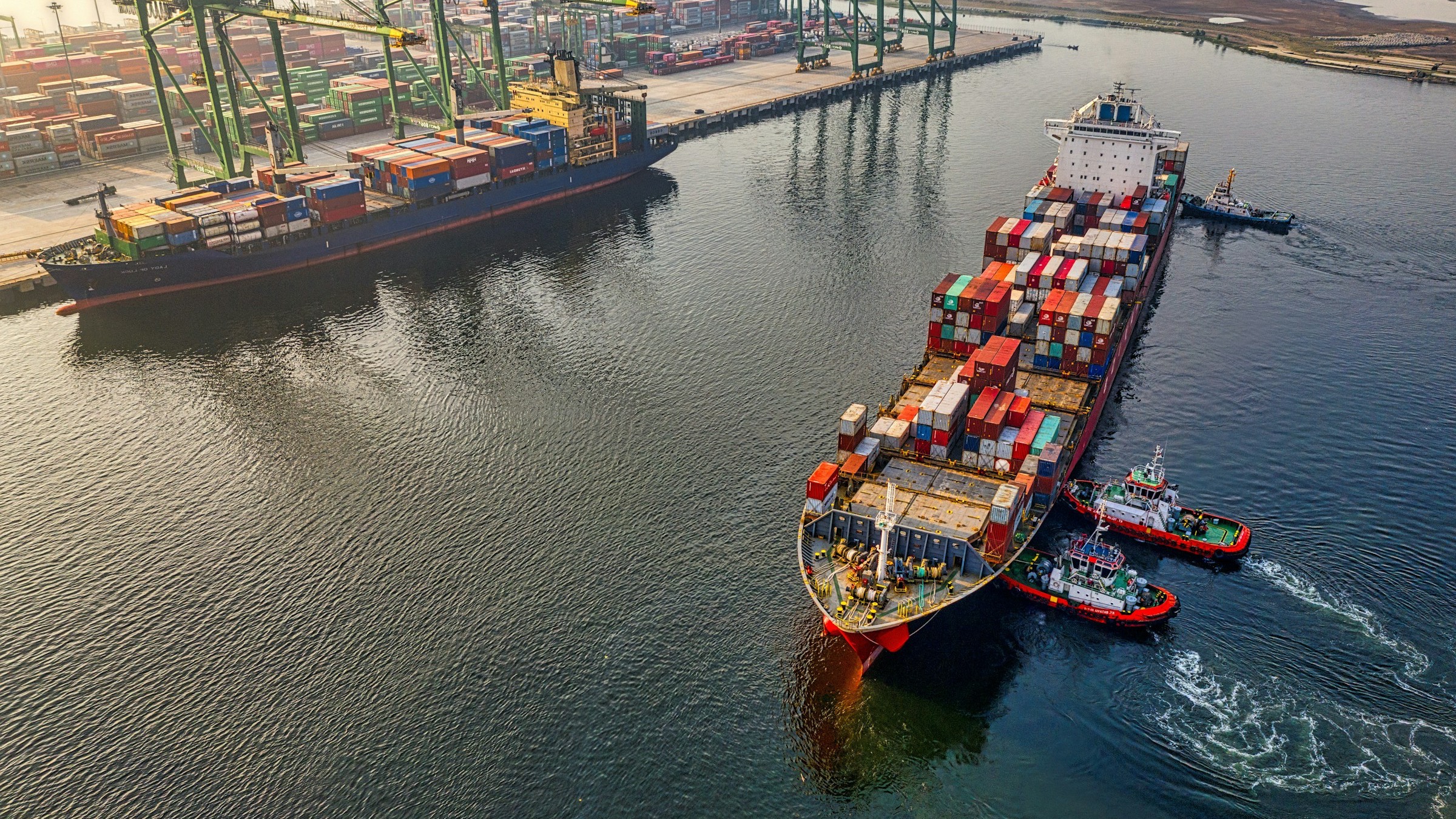
Behind this drop lie two main factors. The first is the scaling back of blank sailings, that is, the cancelled departures with which carriers reduce supply to support rates: on the European route these will fall from four to just one cancellation in the following week. The second is the so-called Suez effect, meaning the gradual return of container ships to the traditional route through the canal, which according to MDS Transmodal already accelerated in August. More available capacity and fewer scheduled cuts push rates downward.
A two-speed global picture
While Europe sees costs fall, the global scenario remains stable. The World Container Index held at 4,465 dollars per 40-foot container, because on the transpacific front rates have started climbing again. The Shanghai-Los Angeles route rose 5%, up to 7,185 dollars per Feu, while Shanghai-New York posted a 3% increase to 9,587 dollars. On the corridors toward the United States, Drewry recorded six blank sailing announcements for the coming week, double the previous one: a capacity management that, combined with resilient demand, should keep rates stable.
This divergence is worth keeping in mind: those importing from China into Italy currently benefit from more favorable conditions than those moving goods toward North America.
What it means for purchasing departments
For those planning ocean shipments in the coming months, the decline opens an interesting window but calls for caution. Drewry estimates a further slight drop in the short term, but forecasts remain conditioned by variables that are hard to control.
- Tensions in the Middle East may slow or reverse the return of ships to Suez, bringing pressure back onto rates.
- Seasonal weather disruptions at Asian ports are adding congestion to what has already accumulated.
- Drought in the Panama Canal continues to limit capacity and the number of daily transits.
In practice, importers may consider bringing forward or concentrating shipments to take advantage of falling rates, but it is prudent not to base planning solely on a single week's spot figure. Contracts with adjustment clauses, a mix of spot and contractual rates, and flexibility on departure dates remain the most effective tools for managing a market that can change direction quickly. The distinction between Europe and transpacific routes, moreover, suggests analysing costs corridor by corridor, without automatically transferring one market's trends to another.
With La Merce, importing from China when the Shanghai-Genoa rate drops 10% in a week means deciding with a figure in hand whether to bring shipments forward or wait: we track the weekly index and recalibrate the order calendar accordingly.
Sources
Independent checks on the figures cited, verified in-house.
Read related articles
Congestion at Chinese ports: ten-day waits before Golden Week

Ten-T corridor delays Italy: Confetra's warning on Brenner and Terzo Valico

Panama Canal draft restrictions: Neopanamax cut postponed

Demurrage and detention charges disputed: Samsung seeks $186 million from CMA CGM at the FMC

Back to Suez: transits up 36% in August, but the route is only halfway there
China-Europe air cargo: the decline stops, what changes for importers

Goodbye to the €150 exemption: the EU parcel duty rewrites the rules of e-commerce imports
Air freight: when cargo takes flight, every detail counts

MSC is about to buy up ports around the world for 23 billion dollars

Incoterms: the basics of international trade

Italian hyper-depreciation: confirmation due 60 days after approval

China producer prices are rising: what changes for buyers

European preference in public procurement: bids below 50% can be rejected

Lithium batteries in containers: thousands travel undeclared

WTO barometer: world trade is growing, but containers fall below trend

Fashion imports from China down 8.1%: what the figure says about suppliers

SVHC substances and importer obligations: the list rises to 253 entries

Hyper-amortisation and foreign machinery: the Made in EU rule is dropped

Chinese exports to Europe: just +6.6% while the rest of the world races ahead

Steel imports: "melt and pour" traceability starts on 1 October

Beyond the electric car: China's new export wave of robots, AI and medicines

Steel: EU 50% tariff and new origin rules — what changes for importers

Customs checks on electronics imports: how to avoid penalties and optimise compliance

The Bialetti Moka changes hands: one of Italy's most iconic objects becomes Chinese

Import-export of jewellery and precious metals: what Italian law really says

How much does China really export? Figures and opportunities of the trade giant

OEM vs ODM: two key acronyms for creating a product under your own brand

The 5 questions we always ask our suppliers