Sourcing by Italian SMEs: 86% domestic, but non-EU rises to 22%
MONDAY, 5 OCTOBER 2026
Geopost's Business Barometer 2026: Italian SMEs buy more in Italy and also outside Europe. And they choose suppliers for delivery before price.
Sourcing by Italian SMEs is moving in two directions at once: 86% of small and medium-sized companies buy from domestic suppliers, 14 points more than in 2024, but the share buying outside the European Union also rises, to 22%, ten points more. That is the finding of Geopost's Business Barometer 2026, from the group that includes BRT, which surveyed 3,600 SMEs in 21 European countries and six sectors. The Italian figure goes against the European trend, where the prevailing response is shortening supply chains.
The Business Barometer 2026 figures
The survey measures the share of companies using each supply channel, not the volumes purchased: a company can buy in Italy and outside the EU at the same time, which is why the percentages add up to more than one hundred. The comparison with the European average, however, says a lot about how Italian SMEs are reacting to uncertainty.
- Domestic suppliers: used by 86% of Italian SMEs, +14 points on 2024; European average 84%.
- Non-EU suppliers: used by 22% of Italian SMEs, +10 points; European average 17%.
- First criterion in choosing a supplier: delivery reliability for 43% of Italian SMEs, ahead of price (36%) and quality (35%).
- Reduction of international supplies due to geopolitical tensions: 13% of Italian SMEs, against a European average of 20%.
- Choice of courier: 54% of Italian SMEs would like to choose it directly, but only 22% can.
Why sourcing by Italian SMEs goes against the trend
In Europe the prevailing response to geopolitical tensions has been to cut distant supplies: one company in five did so. In Italy the share stops at 13%, and meanwhile both domestic and non-EU purchases grow. The picture is of a hybrid model: strengthening nearby suppliers for current needs and continuing to buy far away where there is a cost or product advantage.
The survey does not explain the reasons for this choice, and the data does not show that Italian companies are more exposed or better prepared than others. It does signal that, for many SMEs, buying outside Europe remains a competitive lever they do not intend to give up.
Delivery before price
Perhaps the most interesting figure concerns selection criteria. In Europe price (51%) and quality (44%) matter most; Italian SMEs put delivery reliability first, at 43%. It is consistent with the growth of non-EU sourcing: the further away you source, the more the problem becomes time and punctuality, not just the factory price.
Linked to this is control over shipping. More than half of Italian SMEs would like to choose their courier, but just over one in five can: for the others, the choice of transport lies with someone else.
What it means for importers
For those buying outside the EU, the weak point identified by the survey is delivery, and it is worth acting precisely there. The first tool is the delivery term: buying ex works or free on board lets you choose the forwarder and service, while a delivered term leaves the choice to the supplier, along with control over times and costs.
The second is planning margin. On distant supplies it pays to build the schedule backwards from the date the goods are needed, including production, inspection, transit and customs clearance times, and to leave a buffer for delays, which are frequent on intercontinental services.
With La Merce, those among the 22% of SMEs buying outside the EU choose forwarder and service on free-on-board terms, because delivery reliability, named by 43% as the first criterion, can only be managed by controlling transport.
Sources
Independent checks on the figures cited, verified in-house.
Read related articles

Extra-EU imports in August: +17.2%, from China +16%

US-China tariffs cut on 30 billion: what changes for buyers in China

Supply chain risk monitoring: only 20% do it continuously

Italian stone exports: value up, volumes down
Italian exports in the second quarter of 2026: what the +7.9% really says
China producer prices are rising: what changes for buyers

WTO barometer: world trade is growing, but containers fall below trend
Fashion imports from China down 8.1%: what the figure says about suppliers

Chinese exports to Europe: just +6.6% while the rest of the world races ahead
Beyond the electric car: China's new export wave of robots, AI and medicines

How much does China really export? Figures and opportunities of the trade giant

The 5 questions we always ask our suppliers

China's battery plan: parts-per-billion defects by 2030
Air cargo in September: demand +6% and ever shorter contracts
Hyper-depreciation or tax credits: what the UPB says about machinery incentives
China's manufacturing PMI at 50.1: factory costs and prices rise

European 301 tool against China: what we know and what we don't

Asia-Europe container rates: twelve weeks of decline, Shanghai-Genoa at 3,702 dollars

Container connectivity at Italian ports: Genoa, Gioia Tauro and La Spezia decline
Digital DeCA in Spain from 5 October: what changes for road freight
Industrial profits in China: +15.7%, but clothing and furniture fall
Sicily truck stoppage from 16 to 20 October: how to protect deliveries
Transport packaging rules and the PPWR: 40% reusable by 2030
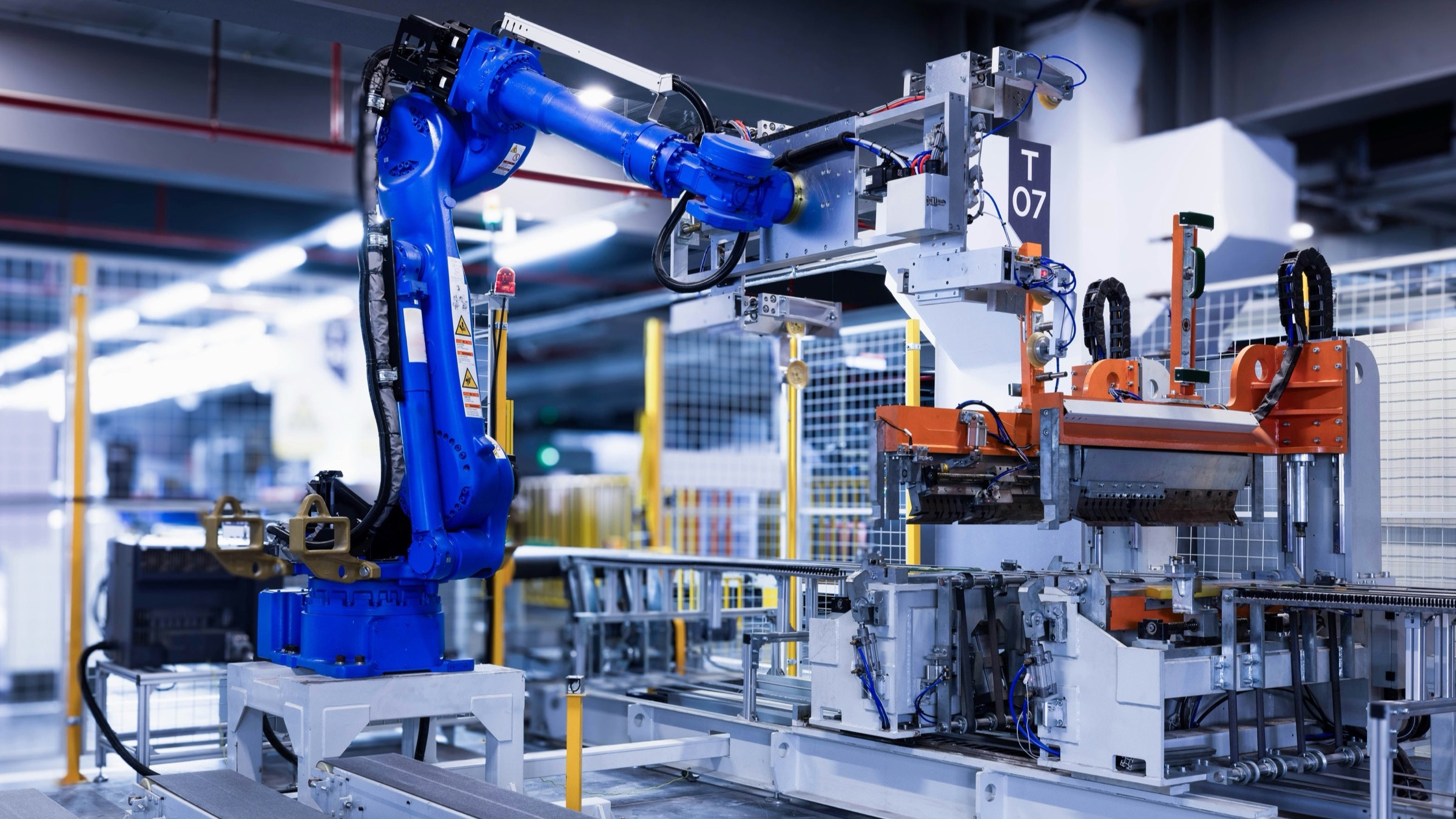
Industrial robots in China: 354,000 installed in 2025, 59% of the world

Leather excluded from the EUDR: what changes for importers from 7 October

Pinglu Canal: 560 kilometres less to reach the sea
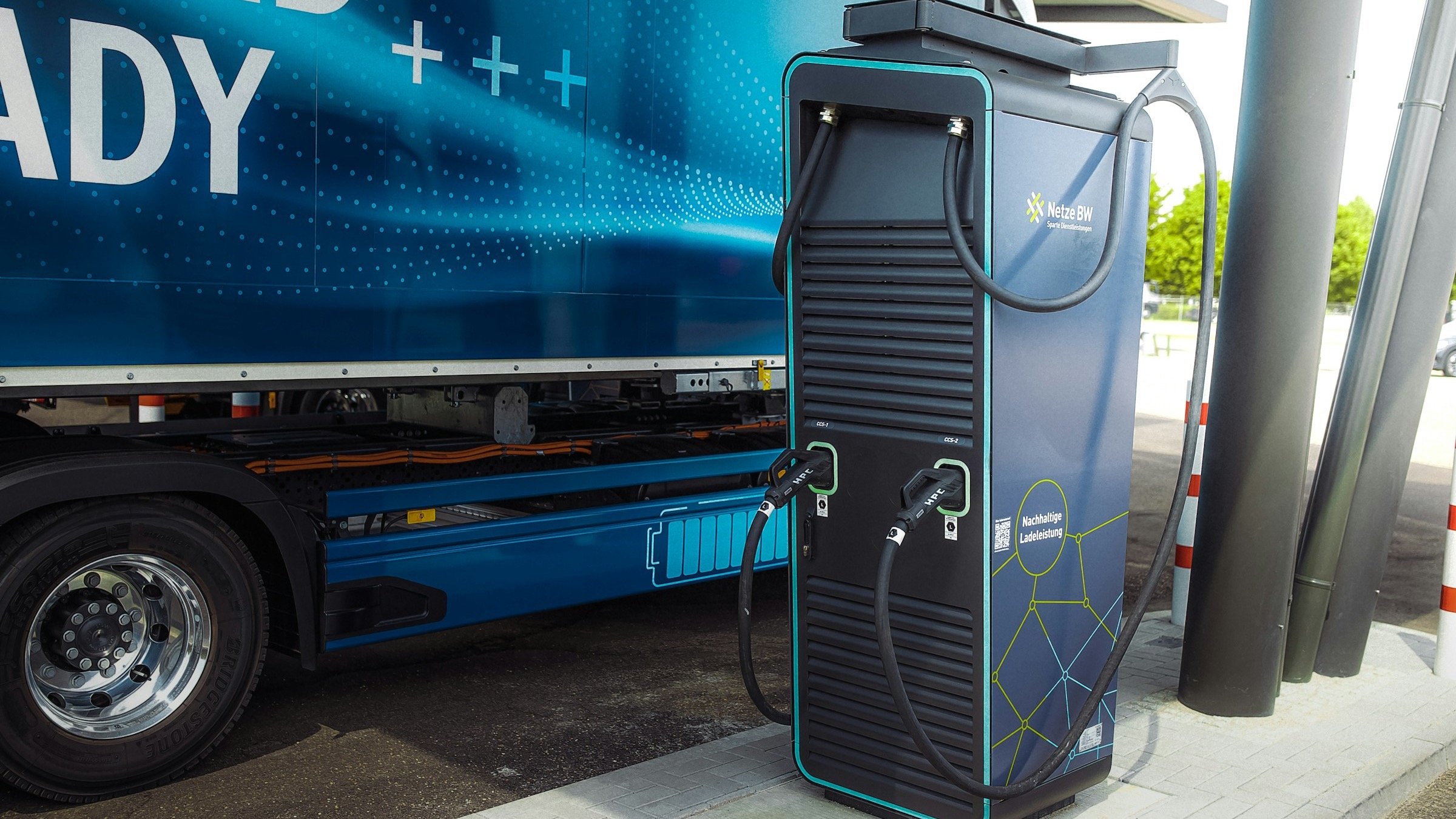
Chinese trucks assembled in Europe: the Steyr plant in Austria
EU customs reform: what changes now and what in 2028
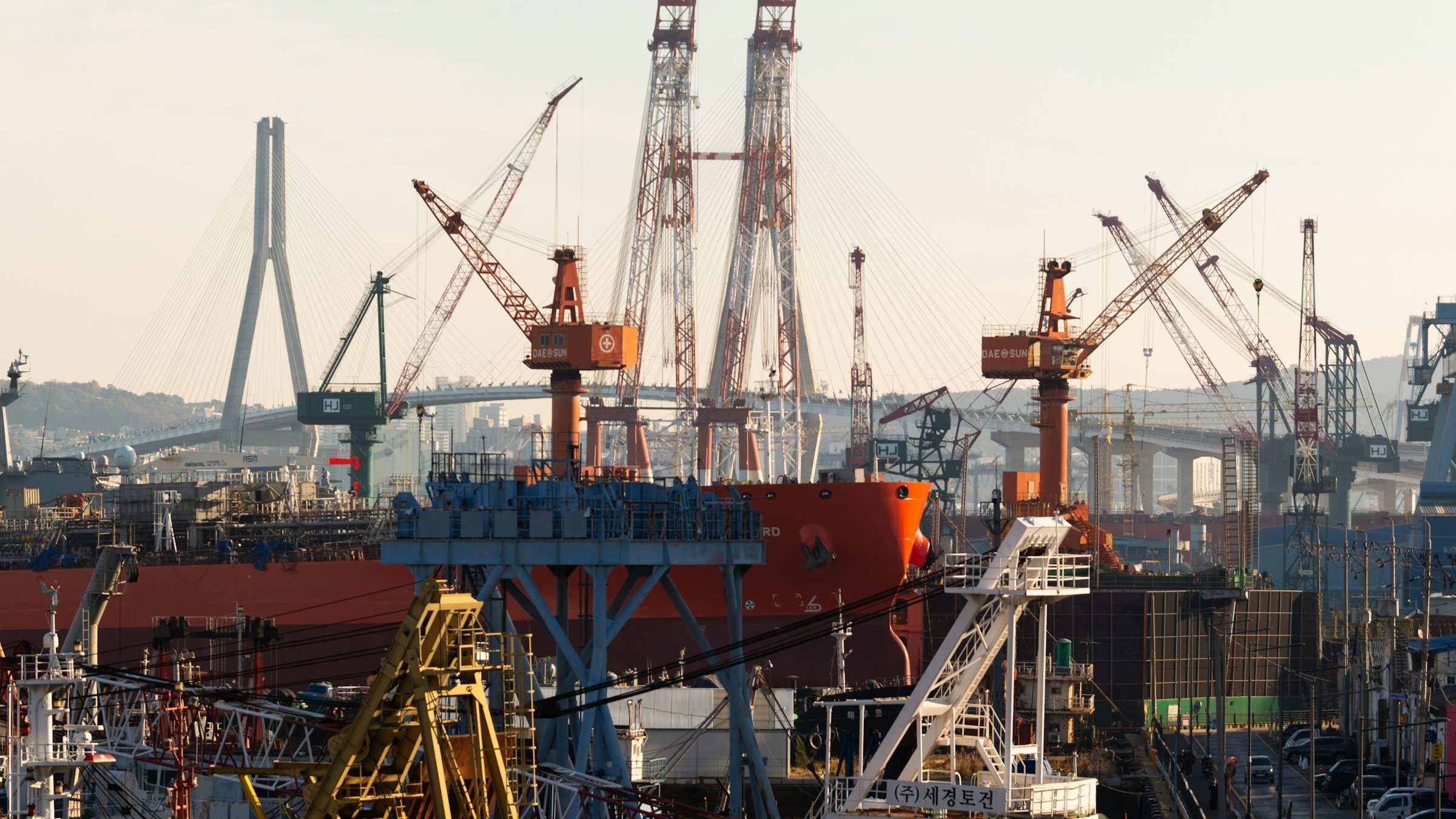
New Maersk container ships: 26 units delivering from 2029
Costume jewellery imported from China: 49,512 items stopped in Genoa
Diesel price at 2026 highs: what reaches your deliveries
Suez transits: the return is mostly on voyages back to Asia
European steel protection and the bill for those who transform it
The Italian small parcels tax is postponed to 30 November

China's electronics five-year plan: 30 trillion yuan by 2030
German import VAT reform: less cash tied up at the port
Four Gemini services return to the Suez Canal: what changes for Ligurian ports
Container inspections: deficiencies in more than one unit in ten
Digital customs in Norway: with Digitoll, who reports what changes
Italian hyper-depreciation: confirmation due 60 days after approval

European preference in public procurement: bids below 50% can be rejected

Lithium batteries in containers: thousands travel undeclared
Congestion at Chinese ports: ten-day waits before Golden Week

SVHC substances and importer obligations: the list rises to 253 entries
Hyper-amortisation and foreign machinery: the Made in EU rule is dropped

Ten-T corridor delays Italy: Confetra's warning on Brenner and Terzo Valico

Panama Canal draft restrictions: Neopanamax cut postponed

Shanghai-Genoa container rates down 10%: what changes for those importing from China

Demurrage and detention charges disputed: Samsung seeks $186 million from CMA CGM at the FMC

Back to Suez: transits up 36% in August, but the route is only halfway there
Steel imports: "melt and pour" traceability starts on 1 October
China-Europe air cargo: the decline stops, what changes for importers
Goodbye to the €150 exemption: the EU parcel duty rewrites the rules of e-commerce imports

Steel: EU 50% tariff and new origin rules — what changes for importers
Air freight: when cargo takes flight, every detail counts
Customs checks on electronics imports: how to avoid penalties and optimise compliance
The Bialetti Moka changes hands: one of Italy's most iconic objects becomes Chinese

MSC is about to buy up ports around the world for 23 billion dollars

Import-export of jewellery and precious metals: what Italian law really says

OEM vs ODM: two key acronyms for creating a product under your own brand

Incoterms: the basics of international trade