Lithium batteries in containers: thousands travel undeclared
SUNDAY, 13 SEPTEMBER 2026
La disposizione che esenta le piccole batterie non pone alcun limite a quante ne stanno in un container. Il World Shipping Council chiede all’IMO una soglia.
Lithium batteries in containers can travel by the thousand without anyone on board knowing. It is not an abuse: it is what the international rules currently allow, and next week the International Maritime Organization discusses whether to set a limit.
Lithium batteries in containers: what the rules allow today
The international code for the maritime carriage of dangerous goods contains a special provision, number 188, which exempts small batteries from some of the obligations set for dangerous goods. To qualify they must meet precise criteria on capacity, packaging and safety testing.
The exemption was created for a sensible reason: to simplify the shipment of individual devices containing a small battery — a phone, a watch, a toy. The point the World Shipping Council has raised is a different one: the provision sets no limit on the number of exempt batteries that can end up in the same container.
The result is that a load can consist entirely of exempt batteries, with no dangerous goods paperwork and no placards on the container. Those who load the ship, those who command it and those who respond in an emergency do not know that container is different from the others.
How much energy sits in one container
The association has translated the problem into a measurable example.
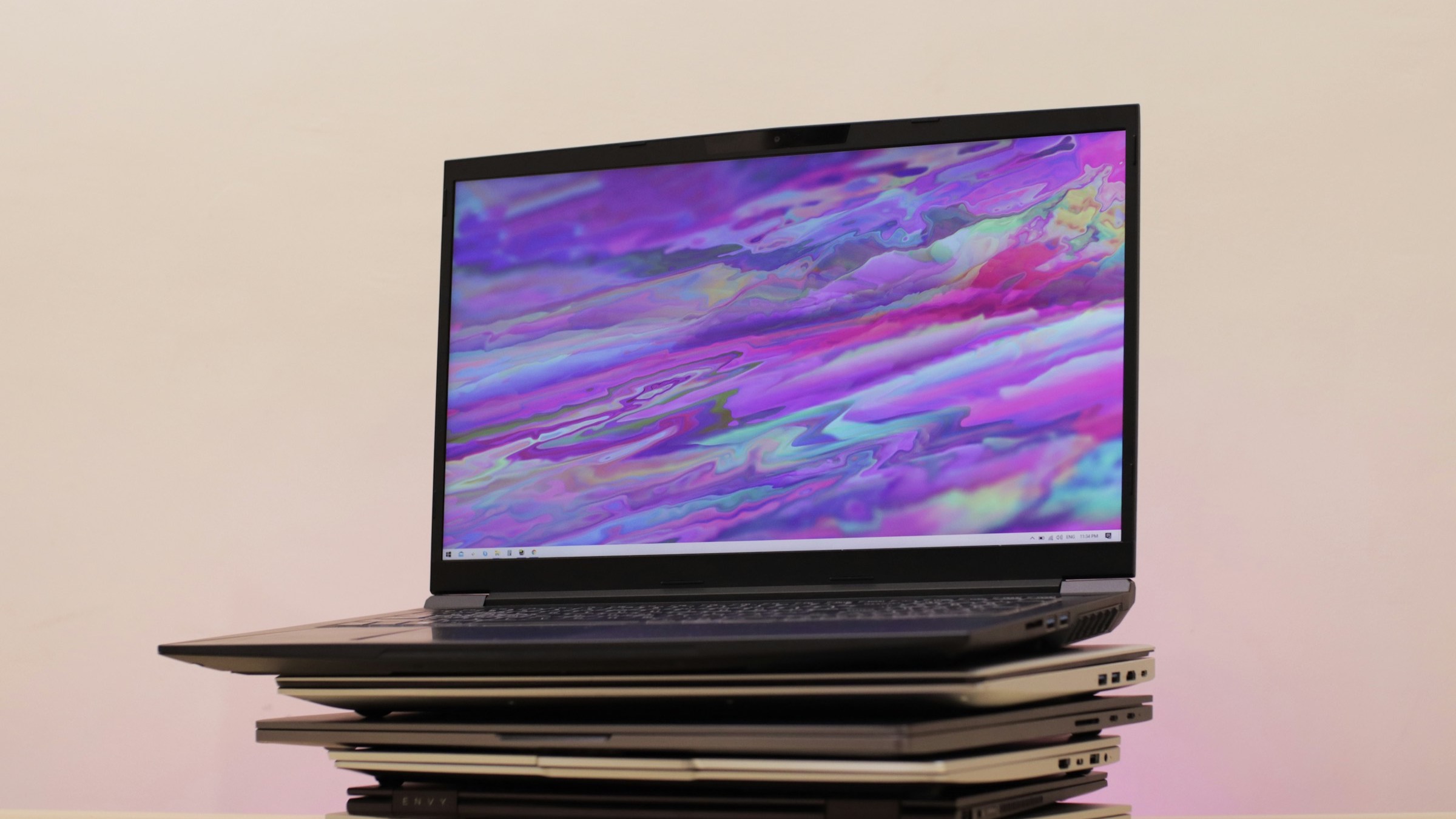
- Container holding around 4,200 laptops: roughly 416 kWh of stored energy
- Rough equivalent of the same load: three or four electric vehicles
- Frequency of fires aboard container ships: one every seventeen days
- Fires on vessels recorded in 2025: more than two hundred, the second-highest figure of the decade
- Global lithium-ion battery deployment in 2025: six times the 2020 level, with demand expected to double by 2030
The last three figures come from insurance data on the maritime sector. It is worth reading them for what they say and for what they do not: they measure the frequency of fires and the growth in battery volumes carried, they do not establish what share of those fires is caused by undeclared batteries. The correlation is plausible and the industry argues for it, but the two figures remain distinct.
What is being discussed in London
The World Shipping Council has submitted a paper to the International Maritime Organization together with five governments — Germany, the Marshall Islands, the Netherlands, Singapore and Thailand — and other industry bodies, among them BIMCO and the International Chamber of Shipping.
The proposal is to set a maximum threshold of batteries in a single container, above which the shipment would have to be declared and possibly placarded. The sub-committee responsible for the carriage of cargoes and containers examines it in London from 14 to 18 September.
It is worth being precise about where things stand: this is a proposal under discussion, not an adopted rule. A threshold, if introduced, would then have to be set at a value and written into the code, with the time that entails. Nobody needs to change their procedures next week.
What to check now if you import products with batteries
The subject covers far more goods than one might assume: consumer electronics, cordless tools, small appliances, bicycles and scooters, medical devices, toys.
The first point is documentary. For every code containing lithium cells the supplier should be able to provide the test report required by transport rules, the one certifying the cell has passed the required tests. If they do not have it, the problem already exists today, regardless of how the discussion at the IMO ends.
The second concerns what is declared on your behalf. The transport declaration is filled in by whoever ships, often the supplier or their forwarder: asking for a copy of what was declared is a simple check and one rarely made.
The third is contractual, and worth looking at before it is needed. If a threshold were introduced, some shipments that are exempt today would become dangerous goods, with different stowage costs and loading constraints. Knowing in advance which of your codes would sit above that threshold is an exercise done once that stays valid.
With La Merce, shipping lithium batteries in containers means keeping on file the test report for every cell and a copy of the transport declaration, before a threshold under discussion in London makes them a condition for loading.
Sources
Independent checks on the figures cited, verified in-house.
- Splash247 — World Shipping Council urges IMO to close lithium battery cargo loophole
- The Loadstar — WSC backs calls to IMO on labelling lithium batteries 'dangerous goods'
- World Shipping Council — Batteries — SP188 exemptions in containerized transport
- Kuehne+Nagel — Shipping's battery blindspot: boxships put at risk of fire by regulation gap
- gCaptain — Containership fire breaks out every 17 days as misdeclared cargo remains major threat
- Allianz Commercial — Preventing battery fires in shipping
Read related articles

SVHC substances and importer obligations: the list rises to 253 entries
Supplier assessment: only those meeting the highest standards of quality, safety and sustainability
Italian hyper-depreciation: confirmation due 60 days after approval

China producer prices are rising: what changes for buyers

European preference in public procurement: bids below 50% can be rejected
Congestion at Chinese ports: ten-day waits before Golden Week
WTO barometer: world trade is growing, but containers fall below trend
Fashion imports from China down 8.1%: what the figure says about suppliers
Hyper-amortisation and foreign machinery: the Made in EU rule is dropped

Chinese exports to Europe: just +6.6% while the rest of the world races ahead

Ten-T corridor delays Italy: Confetra's warning on Brenner and Terzo Valico

Panama Canal draft restrictions: Neopanamax cut postponed

Shanghai-Genoa container rates down 10%: what changes for those importing from China

Demurrage and detention charges disputed: Samsung seeks $186 million from CMA CGM at the FMC

Back to Suez: transits up 36% in August, but the route is only halfway there
Steel imports: "melt and pour" traceability starts on 1 October
China-Europe air cargo: the decline stops, what changes for importers
Goodbye to the €150 exemption: the EU parcel duty rewrites the rules of e-commerce imports
Beyond the electric car: China's new export wave of robots, AI and medicines

Steel: EU 50% tariff and new origin rules — what changes for importers
Air freight: when cargo takes flight, every detail counts
Customs checks on electronics imports: how to avoid penalties and optimise compliance

The Bialetti Moka changes hands: one of Italy's most iconic objects becomes Chinese

MSC is about to buy up ports around the world for 23 billion dollars

Import-export of jewellery and precious metals: what Italian law really says

How much does China really export? Figures and opportunities of the trade giant
OEM vs ODM: two key acronyms for creating a product under your own brand

The 5 questions we always ask our suppliers