
Back to Suez: transits up 36% in August, but the route is only halfway there
WEDNESDAY, 9 SEPTEMBER 2026
In August, Suez transits rose 36% and capacity nearly tripled, yet volumes remain well below pre-crisis levels: here is what changes for Asia importers.
What the data says
The Suez Canal is filling up again with container ships, but cautiously. According to figures compiled by MDS Transmodal, in August 2026 some 196 vessels passed through, 36% more than in the same month of 2025. The sharpest jump, however, concerns capacity: transited hold space grew by 184%, reaching 1.68 million Teu. The month also saw the largest ship on the canal since the start of the Houthi attack crisis in November 2023, with more than 24,000 Teu of capacity.
Looking at the first eight months of 2026, the number of ships is broadly stable (1,186 against 1,230 a year earlier), while overall capacity reached 7.2 million Teu. In practice, ships passing through are larger and more loaded: the average has climbed to about 6,000 Teu per vessel, up from 3,800.
Caution: we are still far from normal
The positive signal should be read carefully. Compared with August 2023, before the crisis, transited hold space is still down 74% and the number of ships down 65%. The return, moreover, appears concentrated among a few operators and not yet spread across the whole market. In other words, this is not yet a widespread return: it is a phase of cautious repositioning that only the coming months will confirm or deny.
For importers, this means the diversion around the Cape of Good Hope, which lengthened transit times from Asia to Europe, is not yet behind us. Before revising planning and contracts, it is worth checking, service by service, whether your carrier is among those that have actually returned to Suez.
What changes for Asia importers
A structural return to Suez would have concrete effects on the supply chain, but the current picture calls for scenario-based thinking.
- Transit times: restoring the Suez route significantly shortens sailing days compared with rounding Africa, benefiting lead times and stock levels.
- Freight costs: using larger, better-filled ships can ease the unit cost per Teu, but volatility remains high until the return is widespread.
- Reliability: with few operators on the canal, service windows may vary; it is useful to monitor carrier notices and compare several options.
- Insurance and risk: the choice of route affects premiums and clauses; check the conditions with your forwarder.
The operator's angle
The practical advice is not to take a return to normal for granted. Importers should keep contracts flexible, ask their logistics partners for precise confirmation of the actual route of the services used, and model costs for both the Suez scenario and the Cape of Good Hope one. In a shifting environment, the ability to quickly recalibrate orders, delivery times and inventory levels makes the difference between suffering volatility and managing it.
With La Merce, checking whether your carrier has actually returned to Suez is a question asked service by service: with capacity still 74% below 2023 levels, the declared transit time and the real one may not match.
Sources
Independent checks on the figures cited, verified in-house.
Read related articles
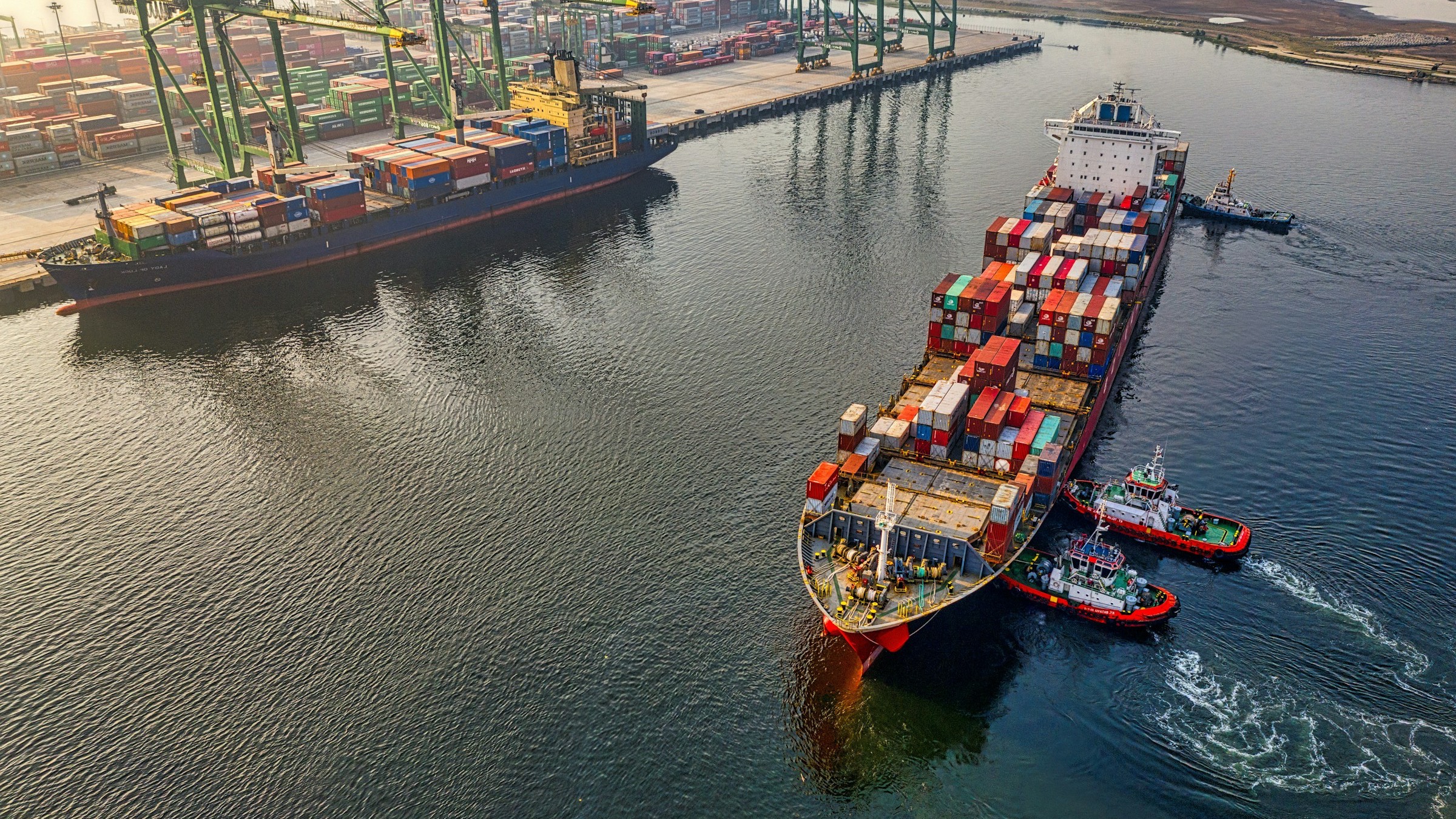
Congestion at Chinese ports: ten-day waits before Golden Week

Ten-T corridor delays Italy: Confetra's warning on Brenner and Terzo Valico
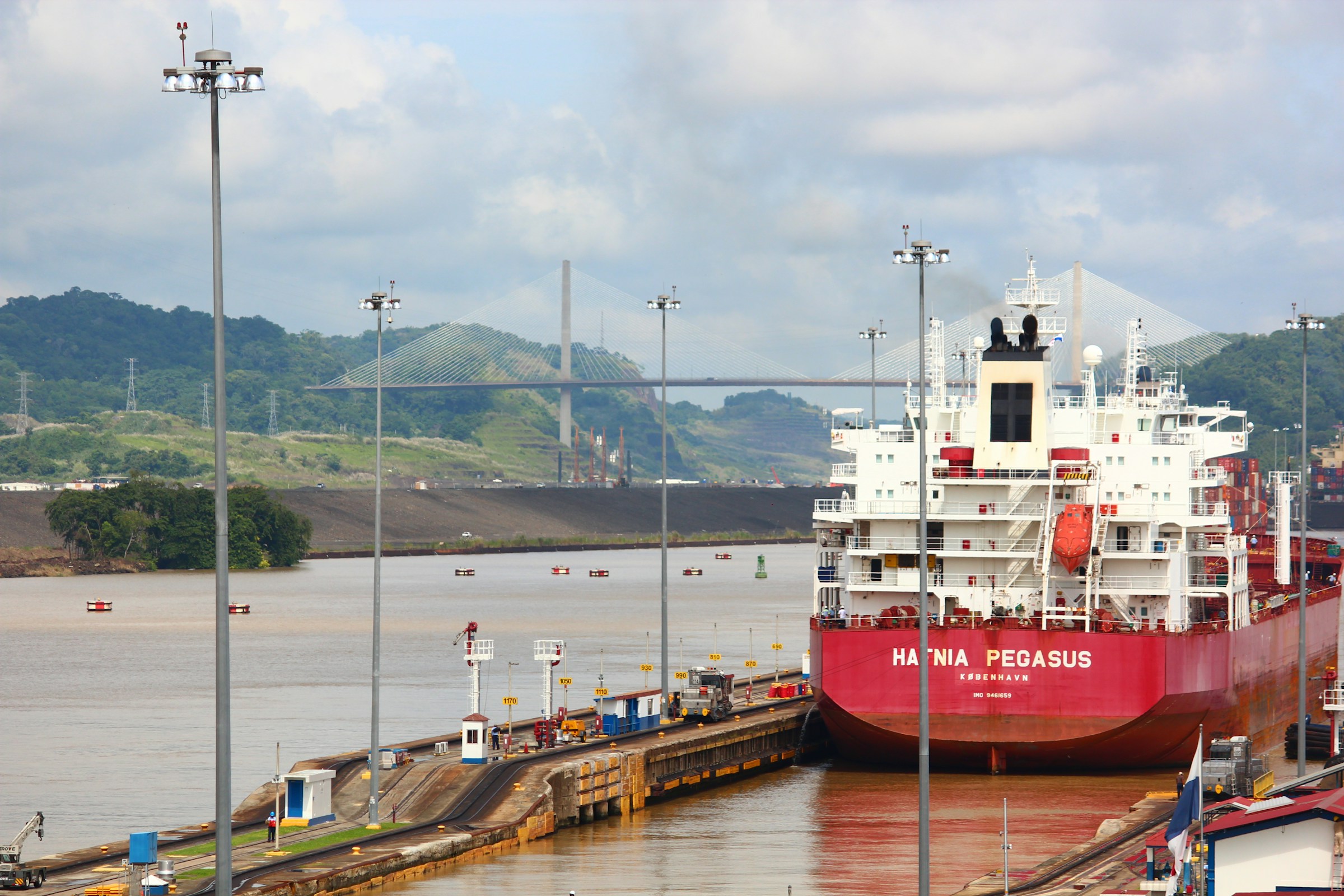
Panama Canal draft restrictions: Neopanamax cut postponed

Shanghai-Genoa container rates down 10%: what changes for those importing from China

Demurrage and detention charges disputed: Samsung seeks $186 million from CMA CGM at the FMC
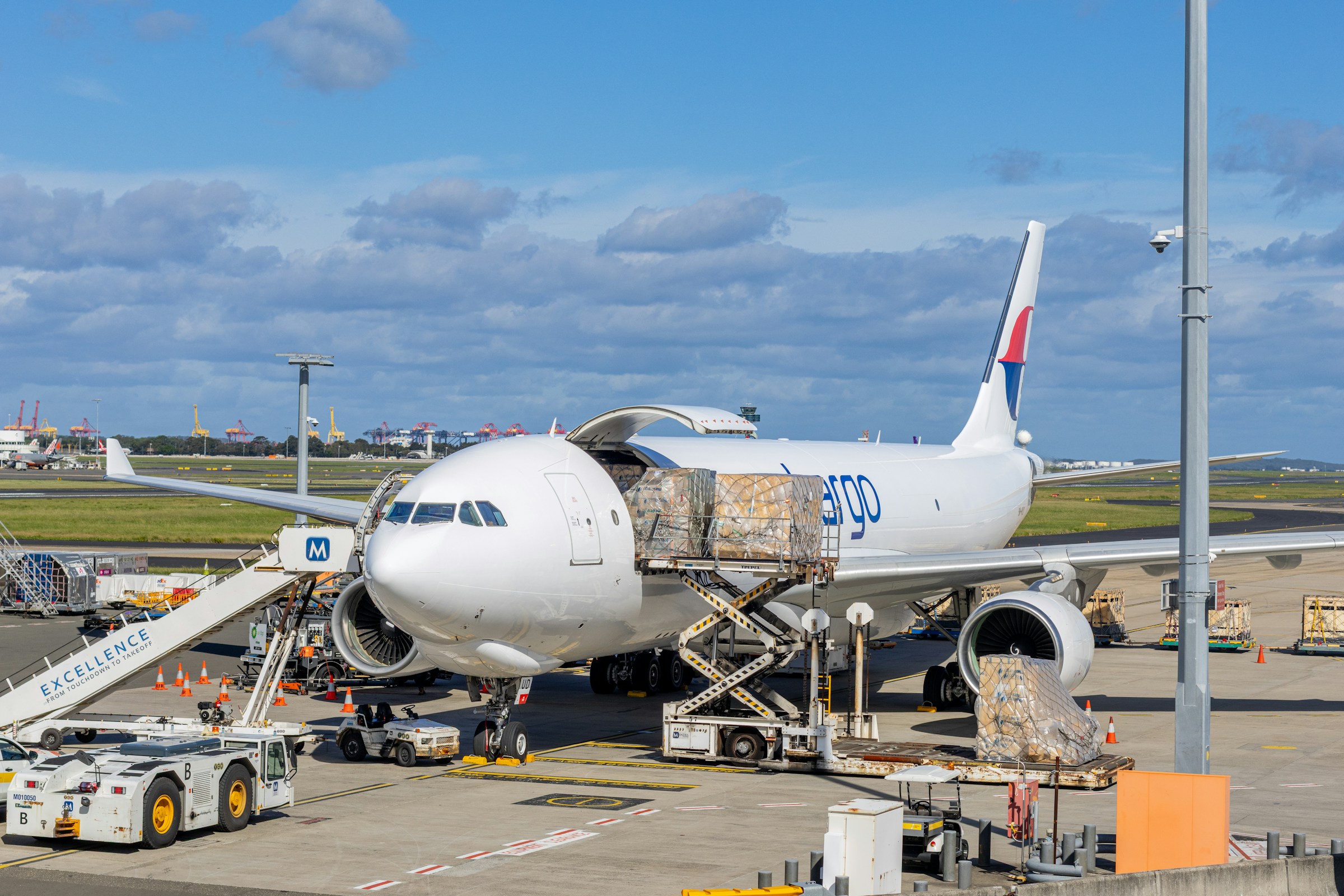
China-Europe air cargo: the decline stops, what changes for importers
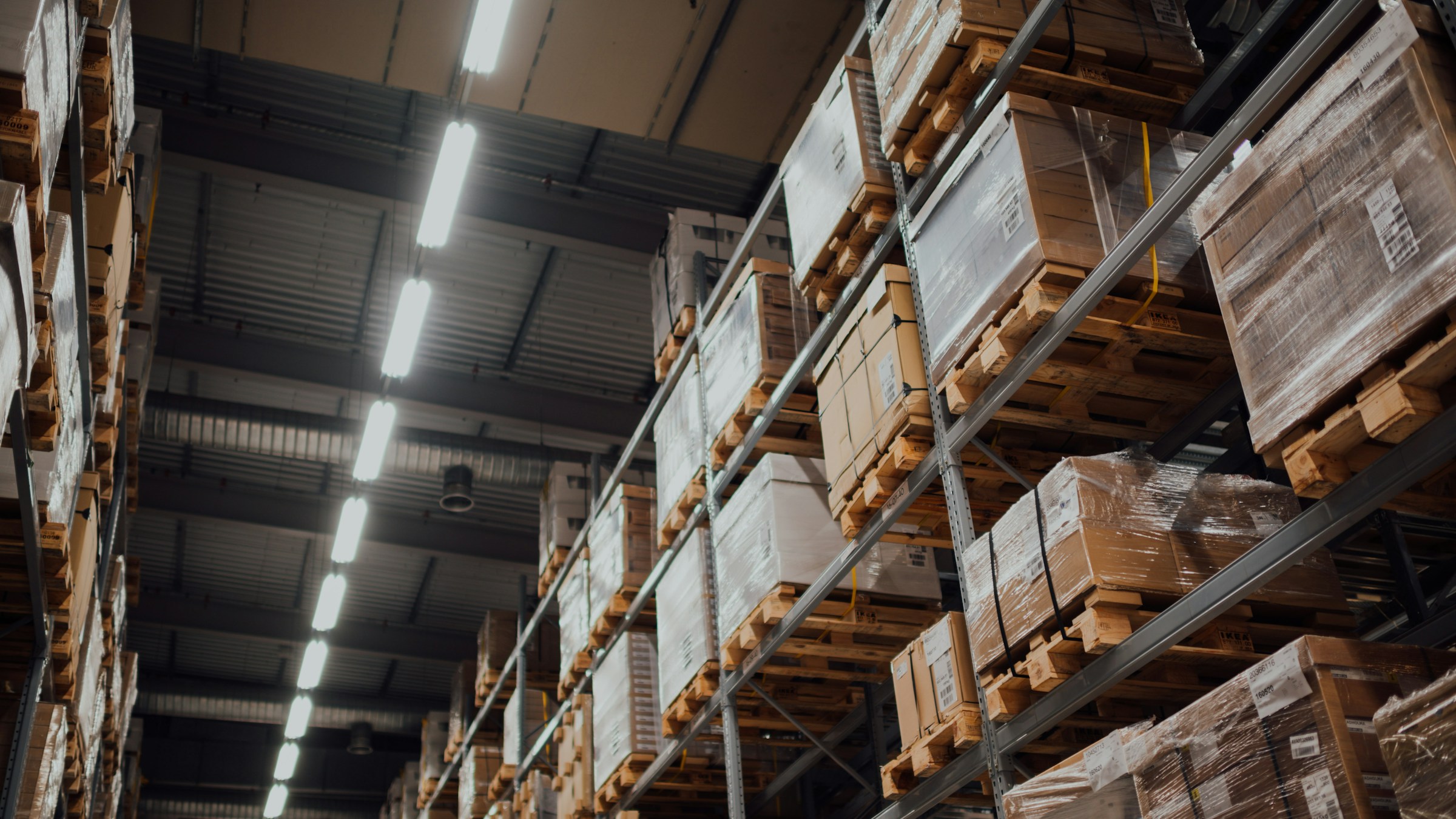
Goodbye to the €150 exemption: the EU parcel duty rewrites the rules of e-commerce imports
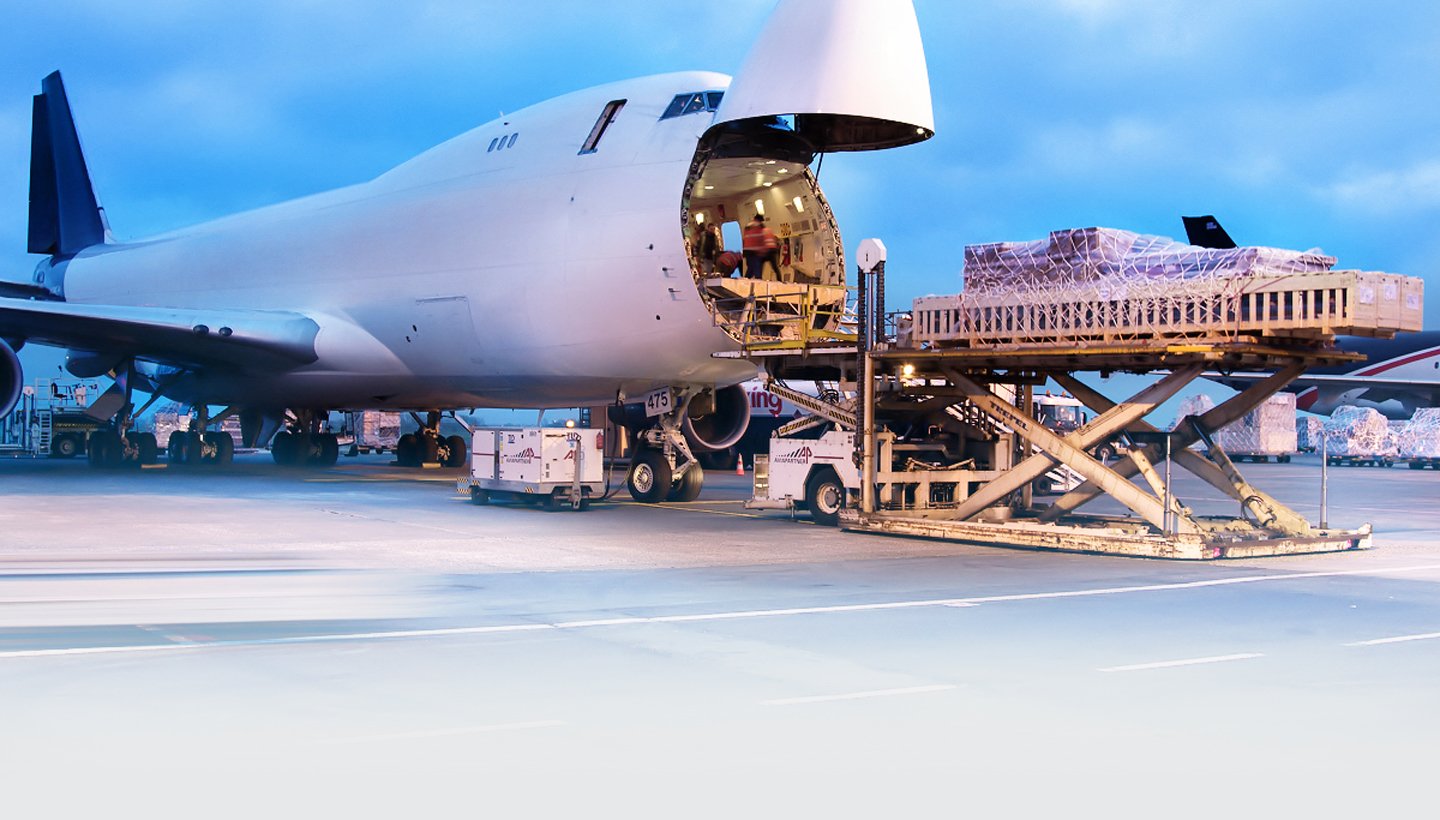
Air freight: when cargo takes flight, every detail counts

MSC is about to buy up ports around the world for 23 billion dollars

Incoterms: the basics of international trade
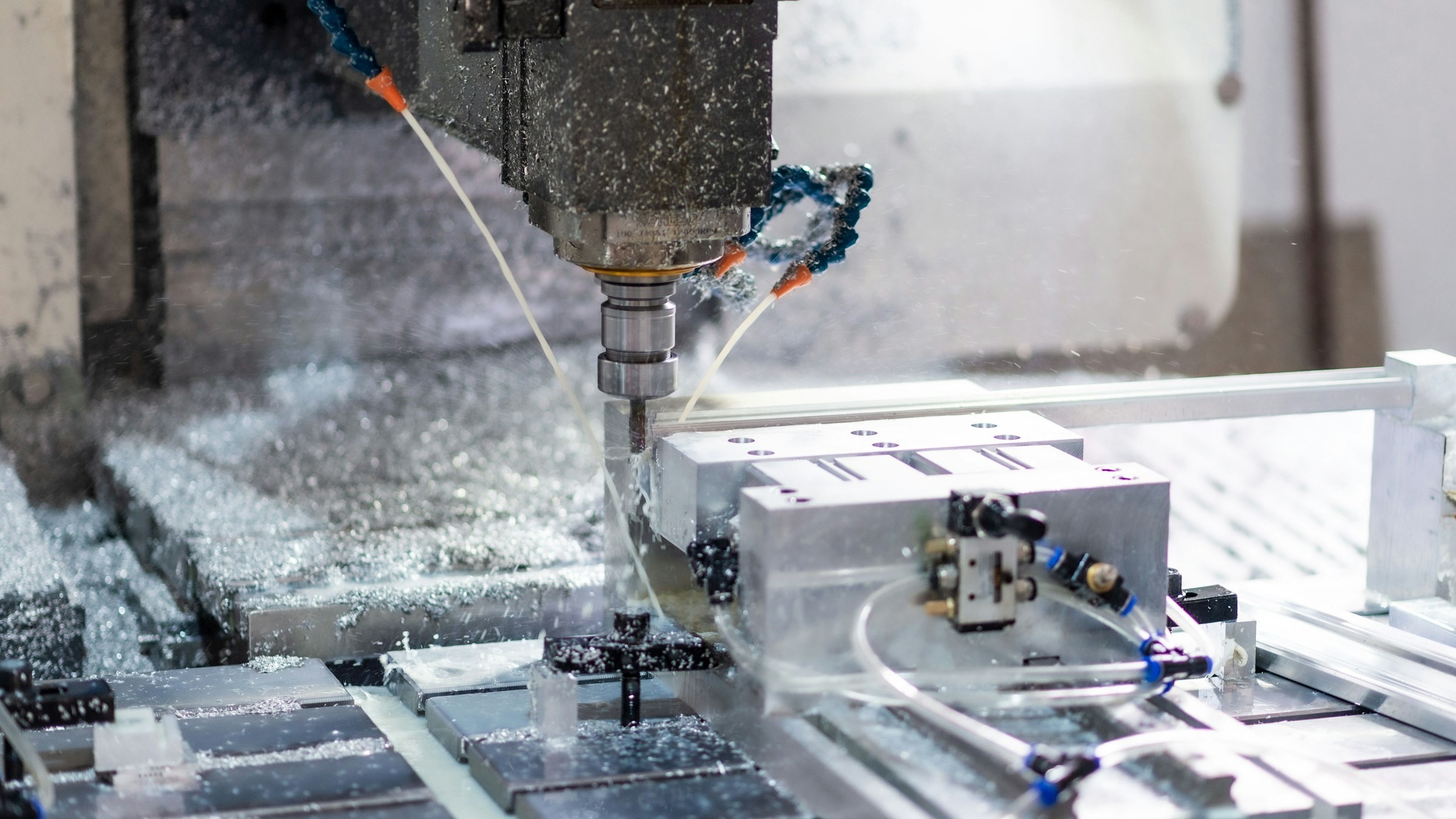
Italian hyper-depreciation: confirmation due 60 days after approval

China producer prices are rising: what changes for buyers

European preference in public procurement: bids below 50% can be rejected

Lithium batteries in containers: thousands travel undeclared

WTO barometer: world trade is growing, but containers fall below trend
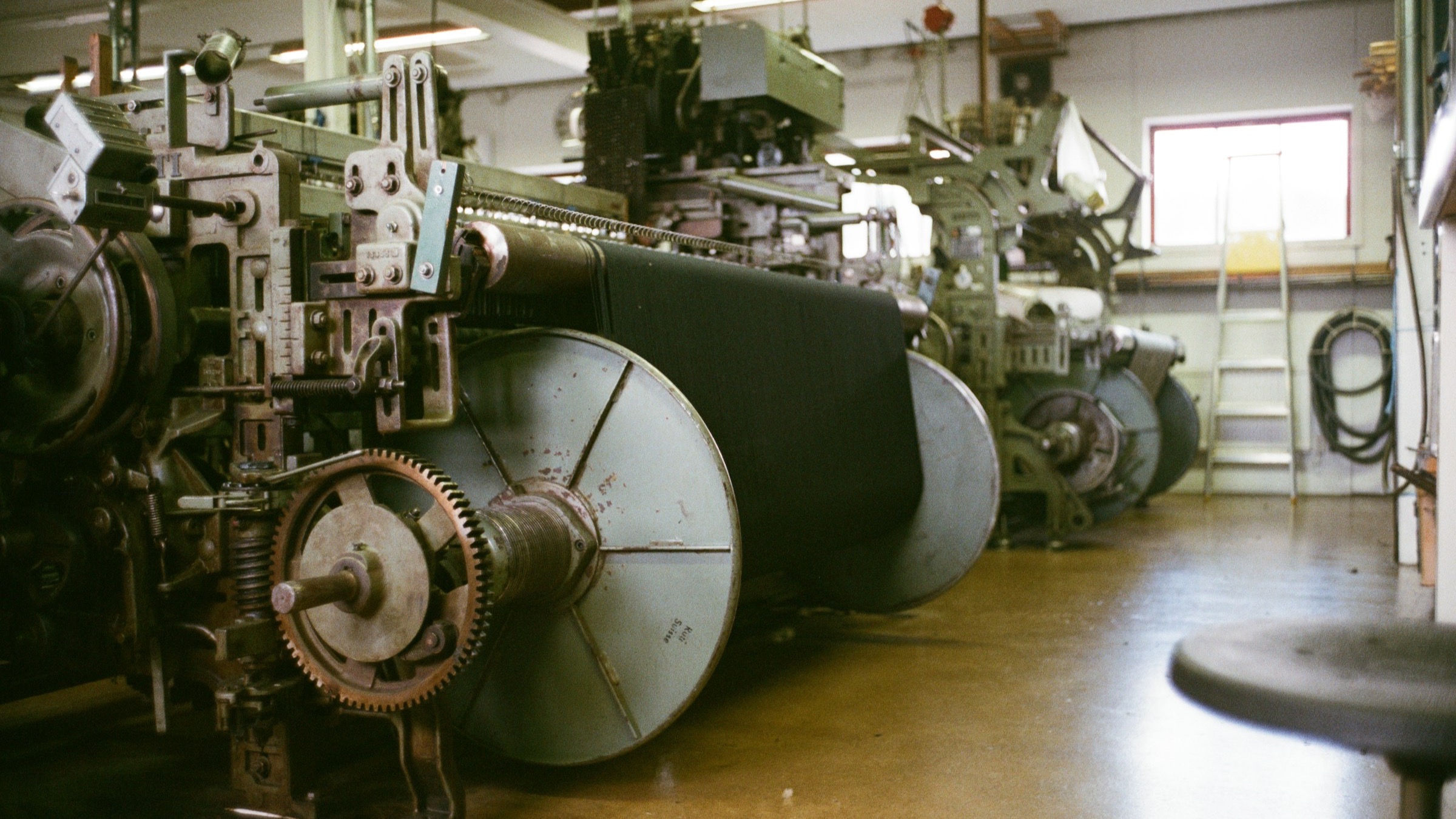
Fashion imports from China down 8.1%: what the figure says about suppliers

SVHC substances and importer obligations: the list rises to 253 entries
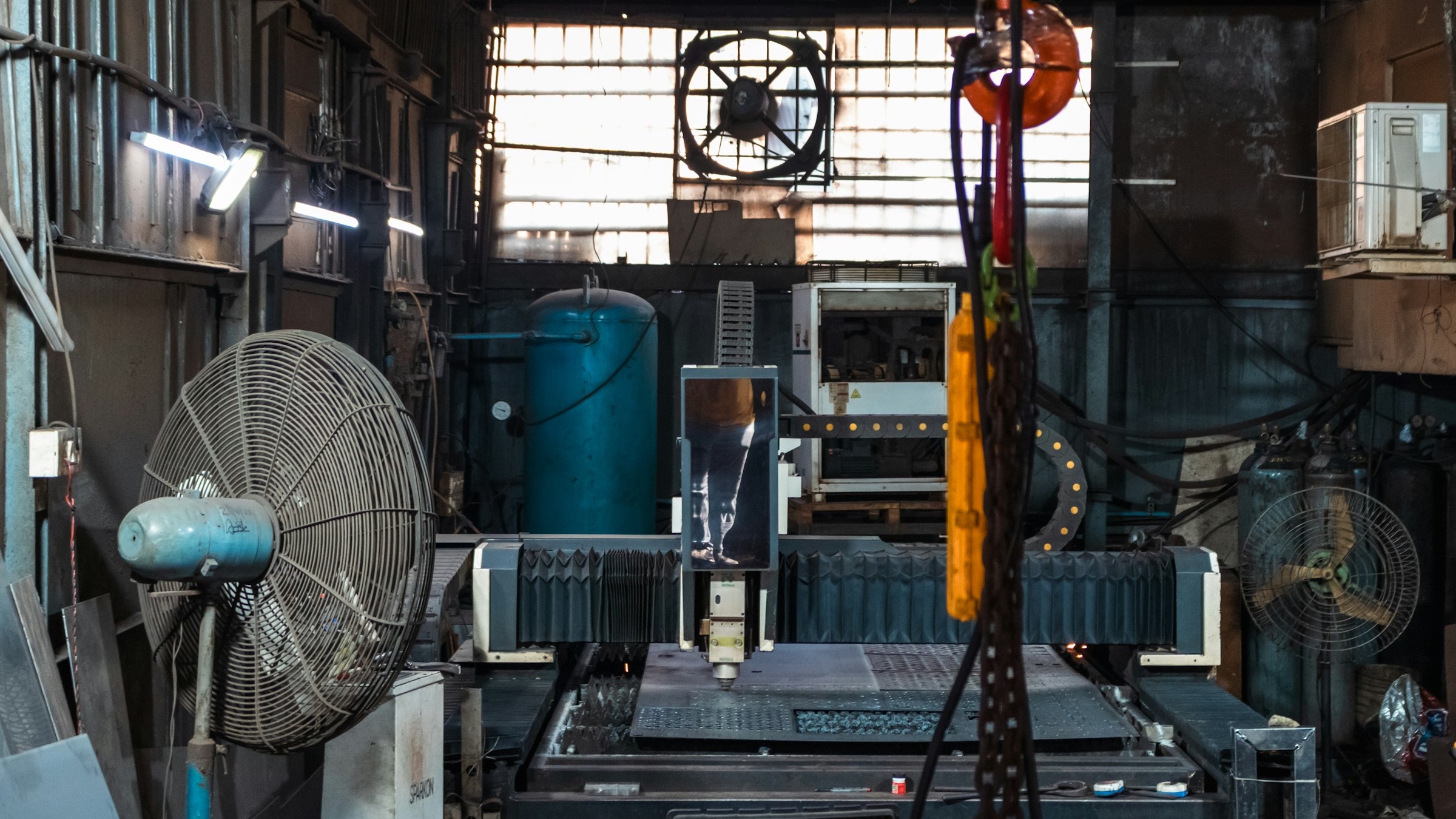
Hyper-amortisation and foreign machinery: the Made in EU rule is dropped

Chinese exports to Europe: just +6.6% while the rest of the world races ahead
Steel imports: "melt and pour" traceability starts on 1 October
Beyond the electric car: China's new export wave of robots, AI and medicines

Steel: EU 50% tariff and new origin rules — what changes for importers
Customs checks on electronics imports: how to avoid penalties and optimise compliance

The Bialetti Moka changes hands: one of Italy's most iconic objects becomes Chinese

Import-export of jewellery and precious metals: what Italian law really says

How much does China really export? Figures and opportunities of the trade giant

OEM vs ODM: two key acronyms for creating a product under your own brand

The 5 questions we always ask our suppliers