Supplier assessment: only those meeting the highest standards of quality, safety and sustainability
SATURDAY, 5 OCTOBER 2024
We work only with suppliers meeting the highest standards: CE marking, ISO 9001 and ISO 14001, plus specific sector certifications.
In the dynamic import-export sector, selecting reliable suppliers is a fundamental pillar of business success. Ensuring that partners meet high standards is not only a matter of quality, but a necessity for navigating the regulatory and customs complexities of international trade. Three certifications stand out as indispensable: CE marking, ISO 9001 and ISO 14001.
CE marking: access to the European market
CE marking (Conformité Européenne) is mandatory for many products sold in the European Economic Area. It attests that a product meets European regulations on health, safety and environmental protection, such as the Low Voltage Directive or the Toy Safety Directive. For import-export companies it is crucial because it allows the free movement of products within the EEA without further customs checks: its absence can lead to delays, seizures or penalties.
ISO 9001: excellence in quality management
ISO 9001 is the international standard for quality management systems, adopted by over a million organisations in 189 countries. Certified suppliers demonstrate that they have well-defined processes, reducing the risk of errors or defects — a particularly important aspect in global supply chains, where consistency is essential. Certification improves customer satisfaction and opens up new market opportunities.
ISO 14001: a commitment to sustainability
ISO 14001 sets out the requirements for an environmental management system, helping organisations minimise their ecological impact and comply with regulations. With over 360,000 certifications issued worldwide, it is a benchmark for sustainability. Certified suppliers demonstrate a concrete commitment to reducing their environmental impact, an aspect increasingly relevant to consumers and regulators, and can achieve savings through resource optimisation.
Sector-specific certifications
Beyond CE, ISO 9001 and ISO 14001, suppliers often have to meet standards specific to a product or market:
- RoHS: mandatory for electrical and electronic products in the EU, it limits the use of hazardous substances such as lead and mercury.
- REACH: it regulates the production and use of chemical substances, requiring the registration of those used in imported products.
- Halal or Kosher certifications: for food products, they guarantee compliance with religious rules and open access to specific markets.
How we select suppliers
We take a structured approach: we verify certificates through accredited bodies, request technical documentation and carry out periodic audits. We require up-to-date certificates, conduct due diligence on the supplier's history and continuously monitor the maintenance of standards. These practices reduce risks and strengthen relationships, fostering long-term partnerships. In a competitive global market, CE, ISO 9001 and ISO 14001 are a hallmark of excellence and reliability.
With La Merce, supplier assessment does not stop at CE, ISO 9001 and ISO 14001 certificates: they are checked with the bodies that issued them and completed with factory audits, because a certificate can be shown without being valid.
Read related articles
Lithium batteries in containers: thousands travel undeclared

SVHC substances and importer obligations: the list rises to 253 entries
Italian hyper-depreciation: confirmation due 60 days after approval
China producer prices are rising: what changes for buyers
European preference in public procurement: bids below 50% can be rejected
Congestion at Chinese ports: ten-day waits before Golden Week
WTO barometer: world trade is growing, but containers fall below trend
Fashion imports from China down 8.1%: what the figure says about suppliers
Hyper-amortisation and foreign machinery: the Made in EU rule is dropped

Chinese exports to Europe: just +6.6% while the rest of the world races ahead

Ten-T corridor delays Italy: Confetra's warning on Brenner and Terzo Valico
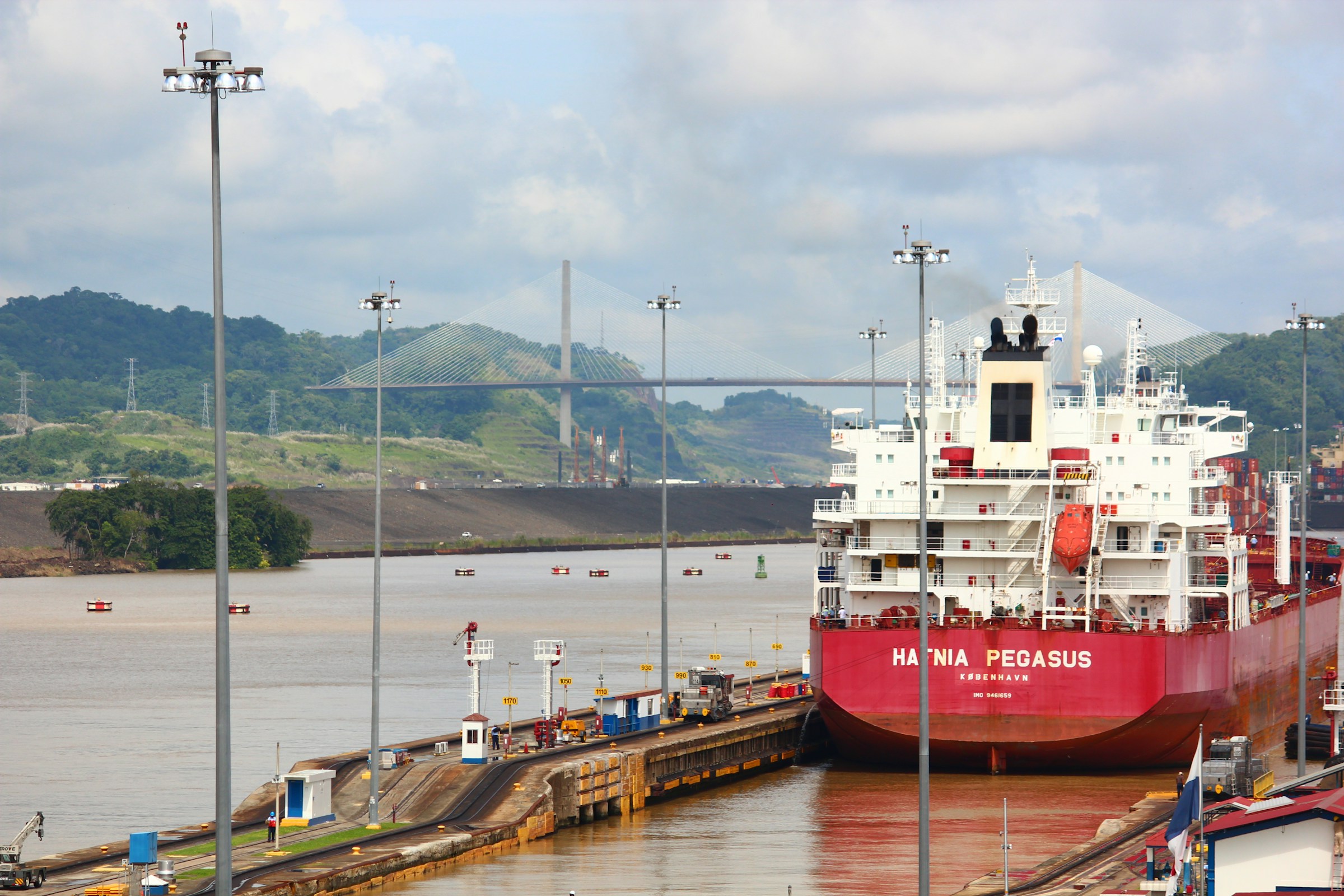
Panama Canal draft restrictions: Neopanamax cut postponed

Shanghai-Genoa container rates down 10%: what changes for those importing from China

Demurrage and detention charges disputed: Samsung seeks $186 million from CMA CGM at the FMC

Back to Suez: transits up 36% in August, but the route is only halfway there
Steel imports: "melt and pour" traceability starts on 1 October
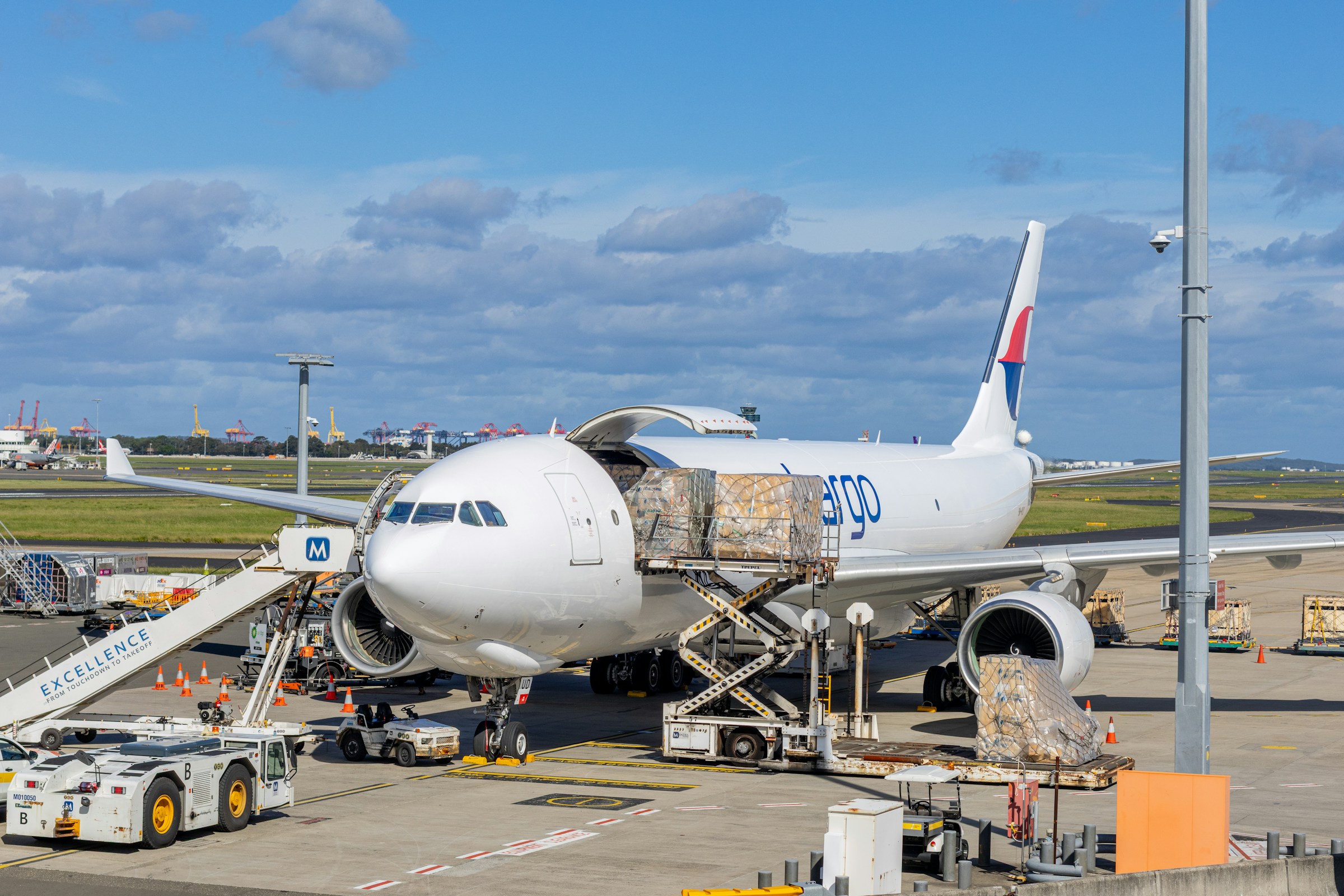
China-Europe air cargo: the decline stops, what changes for importers
Goodbye to the €150 exemption: the EU parcel duty rewrites the rules of e-commerce imports
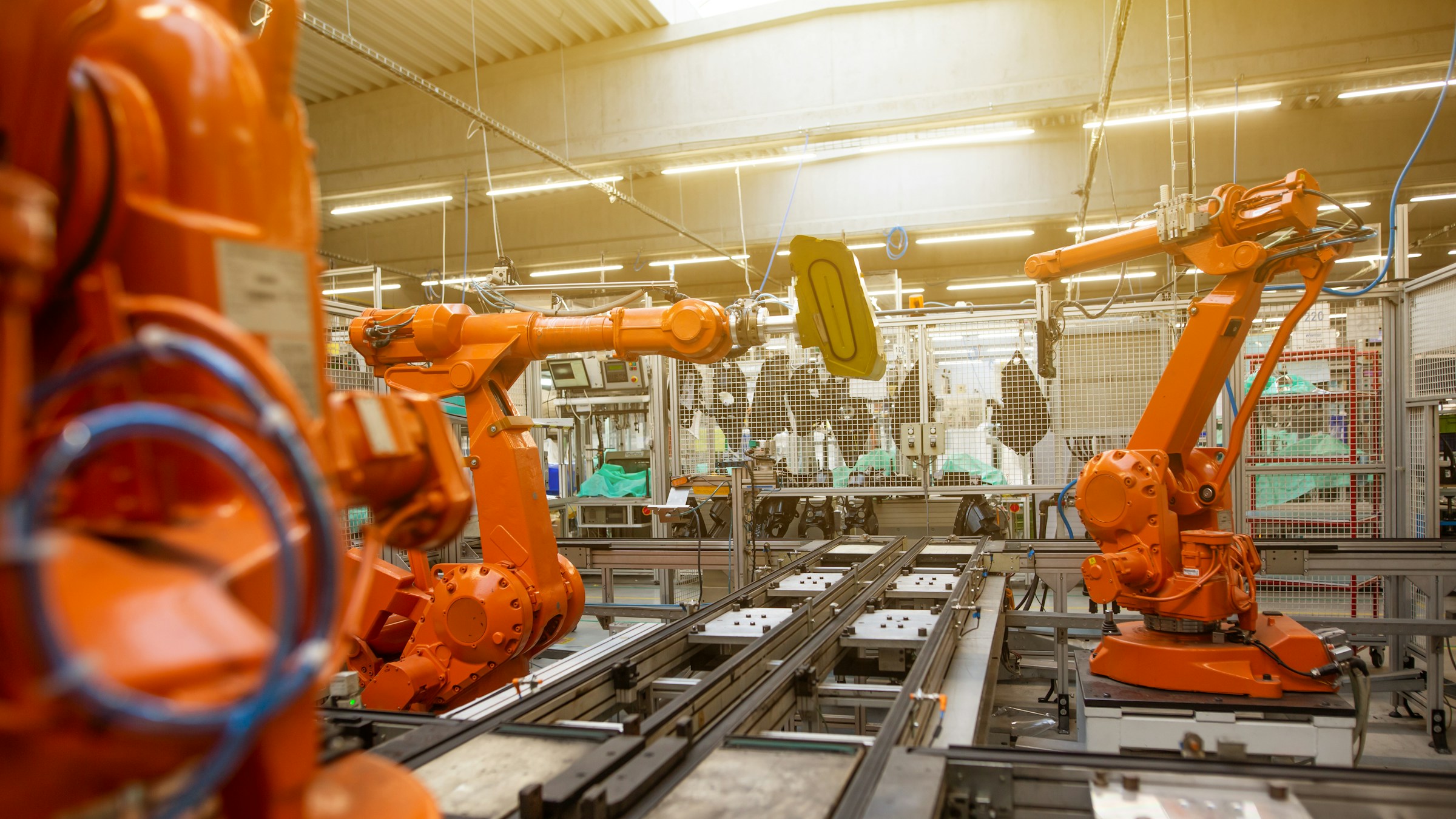
Beyond the electric car: China's new export wave of robots, AI and medicines
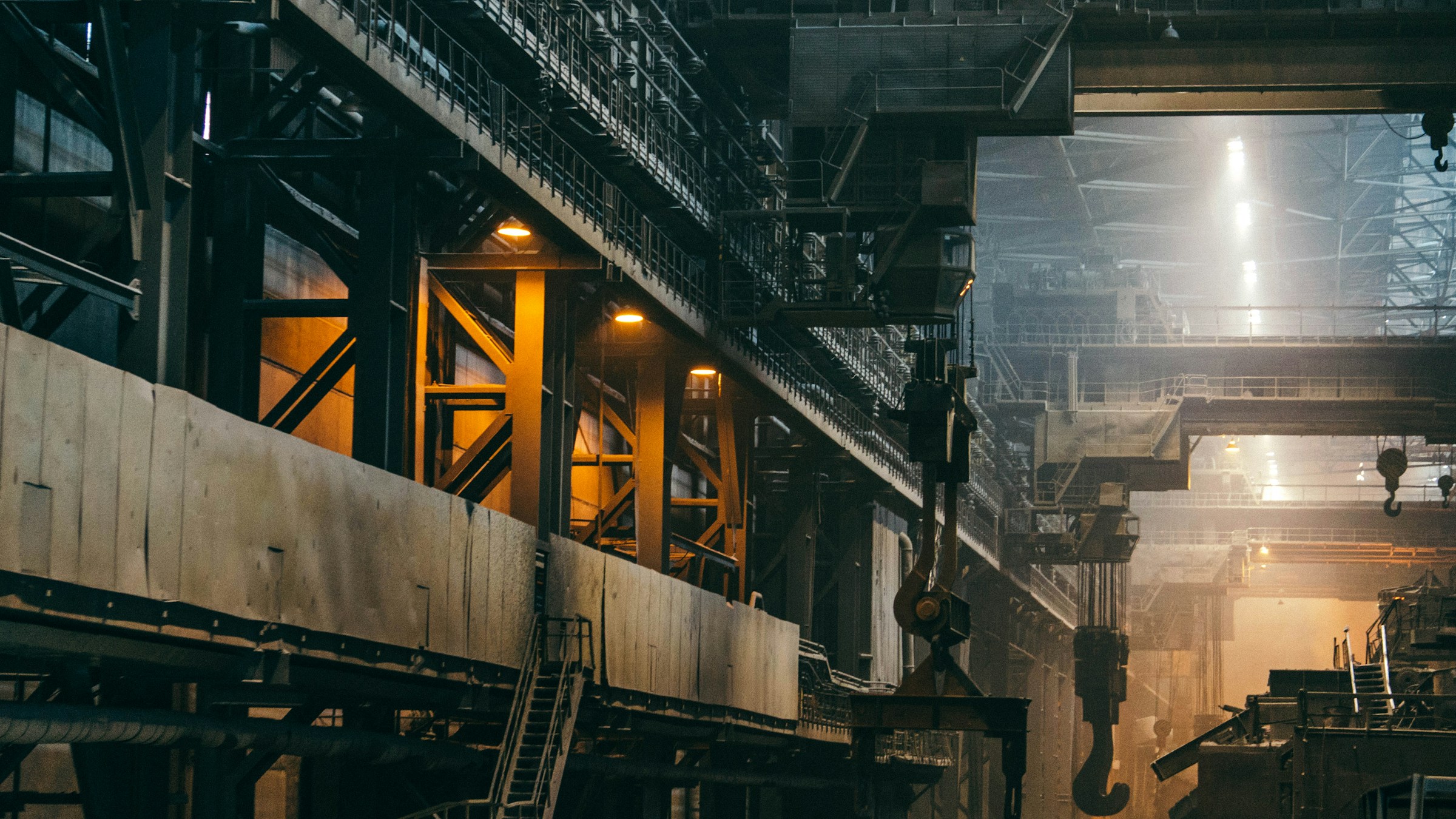
Steel: EU 50% tariff and new origin rules — what changes for importers
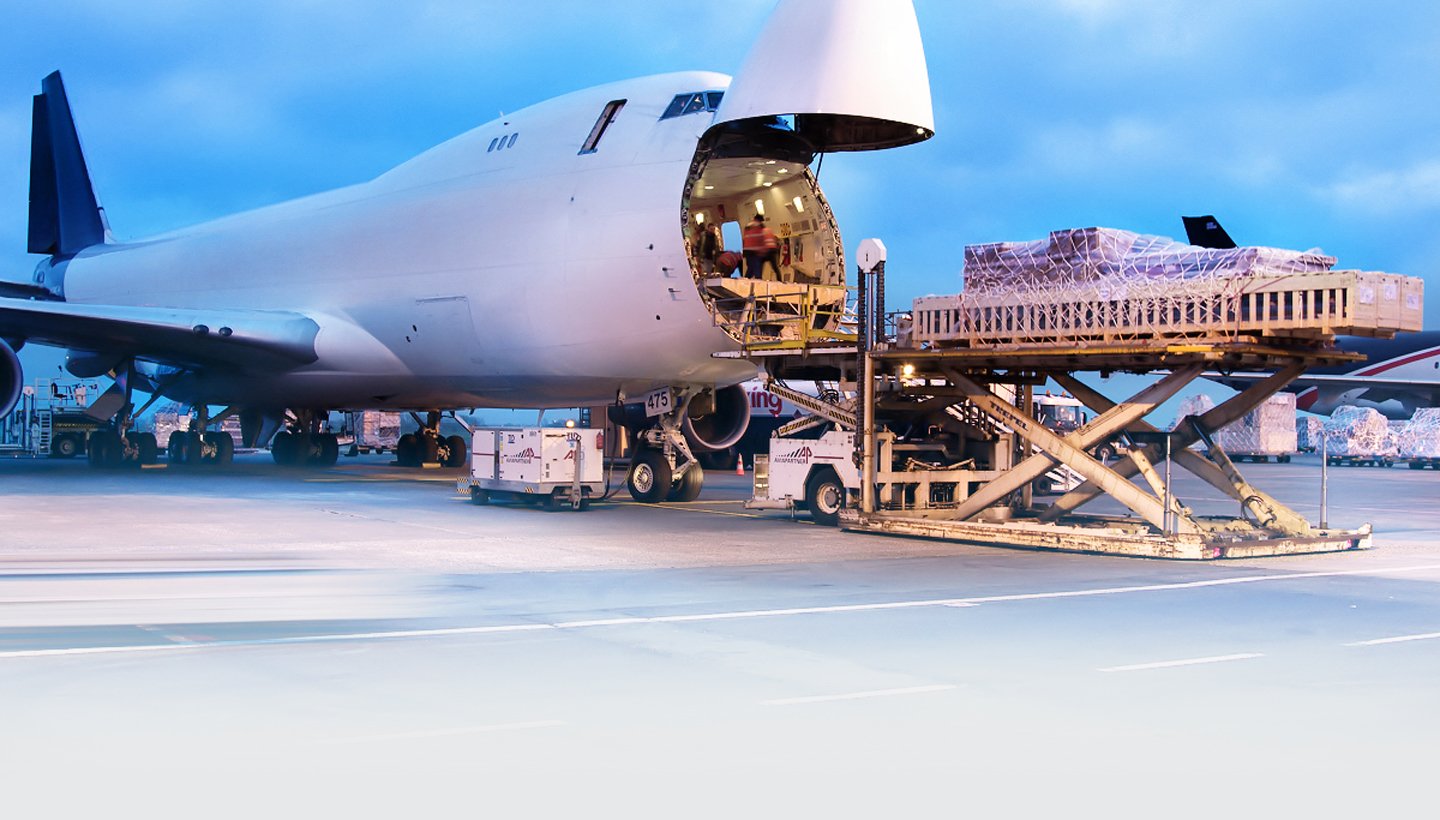
Air freight: when cargo takes flight, every detail counts
Customs checks on electronics imports: how to avoid penalties and optimise compliance
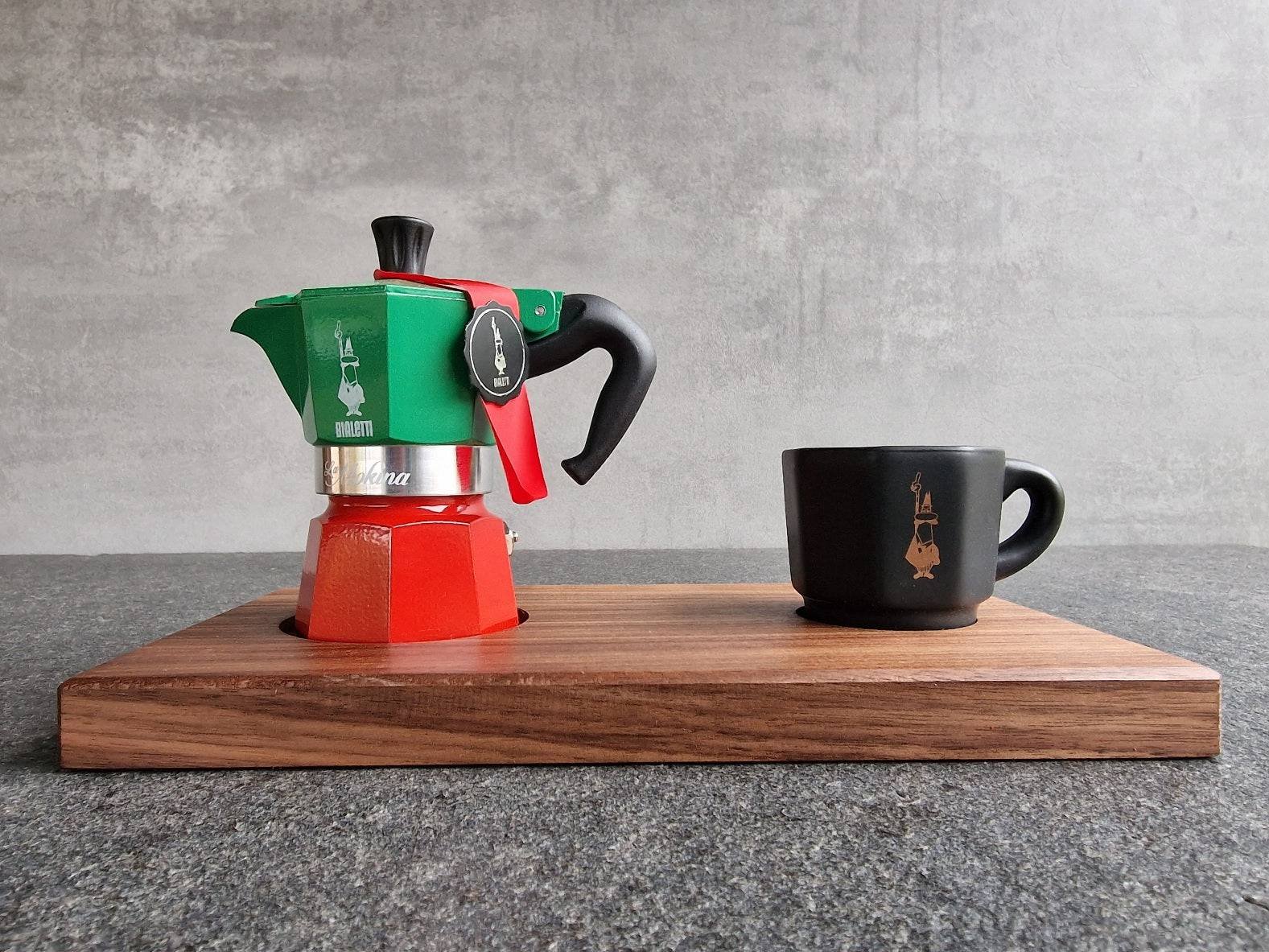
The Bialetti Moka changes hands: one of Italy's most iconic objects becomes Chinese

MSC is about to buy up ports around the world for 23 billion dollars
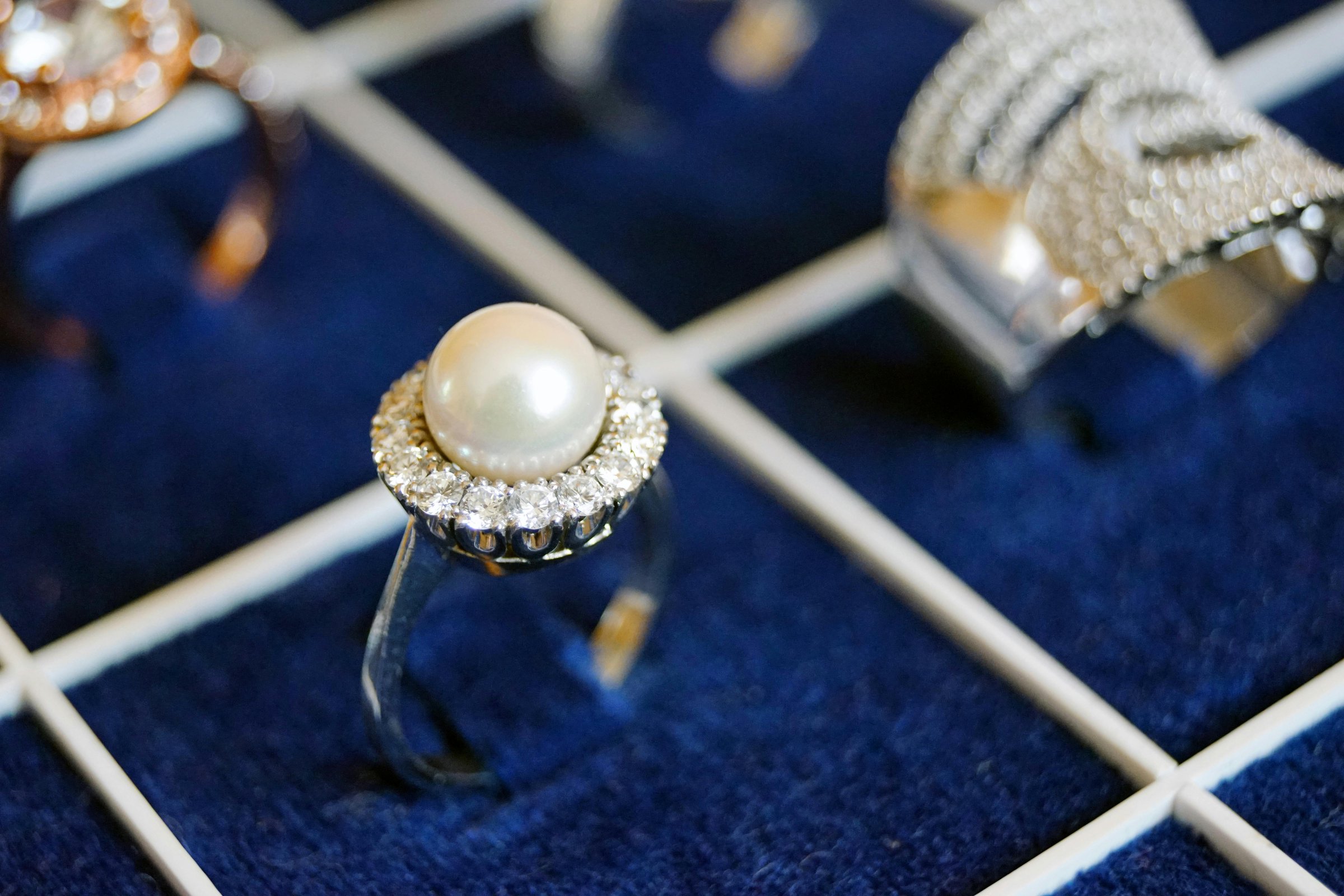
Import-export of jewellery and precious metals: what Italian law really says
How much does China really export? Figures and opportunities of the trade giant
OEM vs ODM: two key acronyms for creating a product under your own brand

The 5 questions we always ask our suppliers