Beyond the electric car: China's new export wave of robots, AI and medicines
MONDAY, 7 SEPTEMBER 2026
After the green «new three» — electric cars, batteries and solar panels — China is pushing a new high-tech wave: robots, artificial intelligence and innovative medicines. Here is what changes for importers and sourcing.
For years China was "the world's factory" for clothing, furniture and home appliances. Then came the green wave. Today a third, more technological generation of products is emerging, reshaping what is worth looking for and importing from Asian markets. Understanding this shift helps anyone doing sourcing move ahead of the curve instead of chasing it.
From the "old three" to the "new three"
International trade loves labels. China's "old three" exports were clothing, furniture and home appliances. The "new three" are the products of the energy transition: electric cars, lithium batteries and solar panels. It is not a marketing tag: in the first half of 2026 exports of these three categories grew 51.6% year on year, reaching 118.4 billion dollars, with electric cars in the lead (+75.1%, to 52.1 billion). The "new three" passed 58% of total Chinese exports for the first time, and globally China accounts for over 80% of solar panels, over 50% of lithium batteries and over 20% of electric cars.
The "new new three": robots, artificial intelligence and medicines
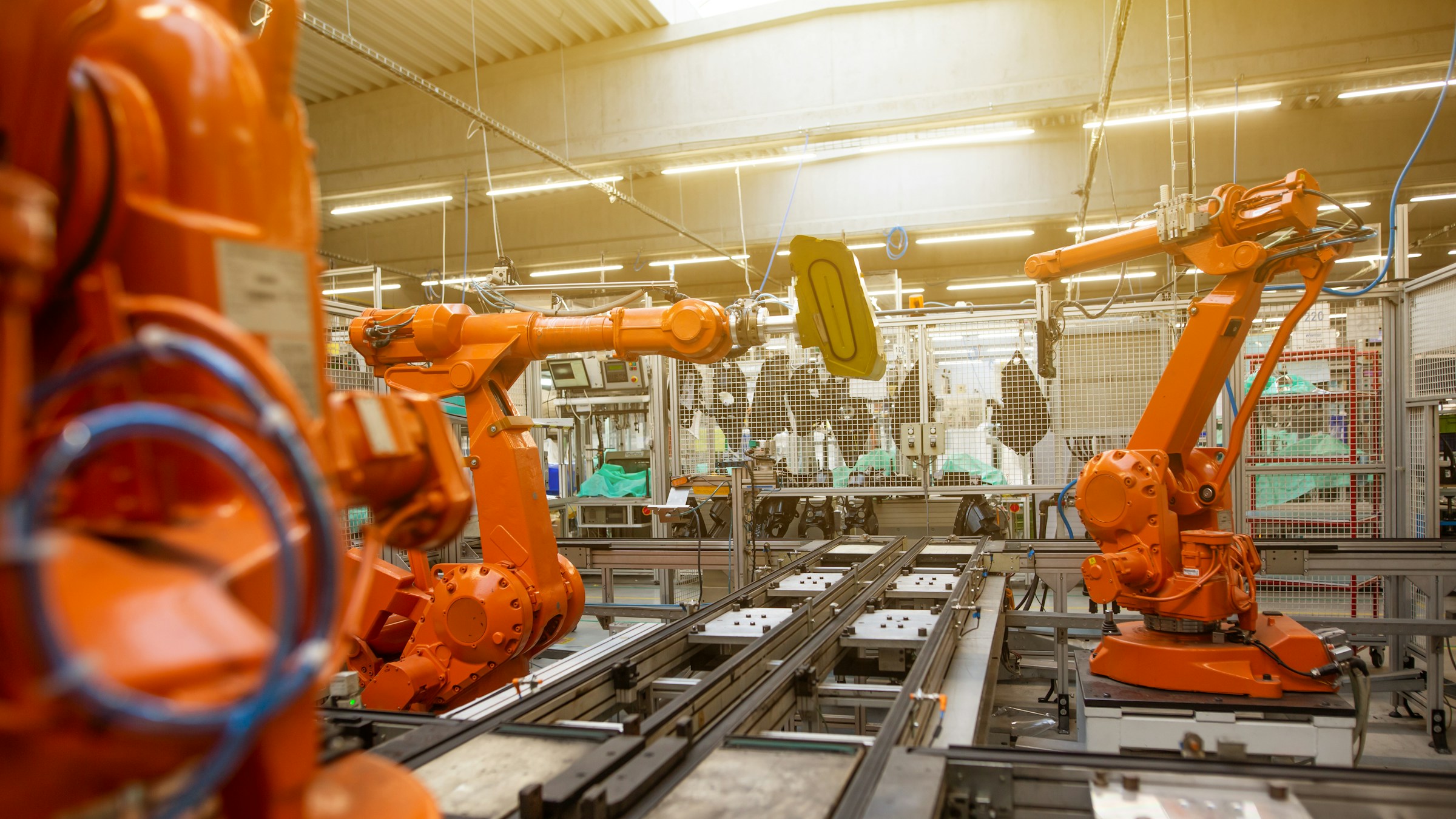
Above the "new three" an even more advanced generation is emerging, which the Chinese economic debate already calls the "new new three": robotics, artificial intelligence and innovative medicines. Exports of industrial robots in the first half of 2026 reached about 6.29 billion yuan, just under 930 million dollars, up 18.6% and shipped to 141 countries. It is a change in nature, not just in volume: in 2025 China became a net exporter of industrial robots for the first time, and the main destinations are now the European Union and Southeast Asian countries.
Humanoid robots: China takes the lion's share
The most talked-about segment is humanoid robots. In the first half of 2026 global shipments more than tripled year on year, reaching around 19,100 units, and Chinese manufacturers covered about 97% of them. Estimates point to 60,000 units by the end of the year. The advantage is not only scale: the component supply chain is concentrated between Shenzhen and Shanghai, where suppliers sit close to one another, and firms are shifting from selling hardware to providing complete automation solutions.
What it means for importers and sourcing
For an importer this shift opens opportunities beyond the traditional categories, but it also raises the bar. A more technological product brings stricter requirements: compliance and certifications, electrical safety, intellectual-property management, technical documentation. Finding the best price is no longer enough: you need a supplier that holds up to European market requirements and a serious check before the order.
How to move
- Look beyond the usual categories: consider components, automation and high-value-added products, not only consumer goods.
- Verify certifications, CE compliance and technical documentation upstream, especially for electronic and mechatronic products.
- Clarify from the start the ownership of moulds, drawings and specifications when the product is custom.
- Select suppliers with experience exporting to the EU and verifiable references.
- Plan sampling and quality control before mass production.
Sourcing in China with a partner that checks upstream
With La Merce, tapping the new wave of Chinese exports in robotics, artificial intelligence and pharmaceuticals means selecting suppliers in categories that were not on the table two years ago: factory checks and certification controls matter most precisely where the market is new and references are scarce.
Sources
Independent checks on the figures cited, verified in-house.
Read related articles
China producer prices are rising: what changes for buyers
WTO barometer: world trade is growing, but containers fall below trend
Fashion imports from China down 8.1%: what the figure says about suppliers
Chinese exports to Europe: just +6.6% while the rest of the world races ahead
How much does China really export? Figures and opportunities of the trade giant

The 5 questions we always ask our suppliers
Italian hyper-depreciation: confirmation due 60 days after approval

European preference in public procurement: bids below 50% can be rejected
Lithium batteries in containers: thousands travel undeclared
Congestion at Chinese ports: ten-day waits before Golden Week

SVHC substances and importer obligations: the list rises to 253 entries
Hyper-amortisation and foreign machinery: the Made in EU rule is dropped

Ten-T corridor delays Italy: Confetra's warning on Brenner and Terzo Valico

Panama Canal draft restrictions: Neopanamax cut postponed
Shanghai-Genoa container rates down 10%: what changes for those importing from China

Demurrage and detention charges disputed: Samsung seeks $186 million from CMA CGM at the FMC

Back to Suez: transits up 36% in August, but the route is only halfway there
Steel imports: "melt and pour" traceability starts on 1 October
China-Europe air cargo: the decline stops, what changes for importers
Goodbye to the €150 exemption: the EU parcel duty rewrites the rules of e-commerce imports
Steel: EU 50% tariff and new origin rules — what changes for importers
Air freight: when cargo takes flight, every detail counts
Customs checks on electronics imports: how to avoid penalties and optimise compliance
The Bialetti Moka changes hands: one of Italy's most iconic objects becomes Chinese
MSC is about to buy up ports around the world for 23 billion dollars
Import-export of jewellery and precious metals: what Italian law really says
OEM vs ODM: two key acronyms for creating a product under your own brand
Incoterms: the basics of international trade