Container inspections: deficiencies in more than one unit in ten
TUESDAY, 15 SEPTEMBER 2026
Only seven countries out of more than a hundred and seventy submitted results. The four most frequent failures all start in the supplier’s warehouse.
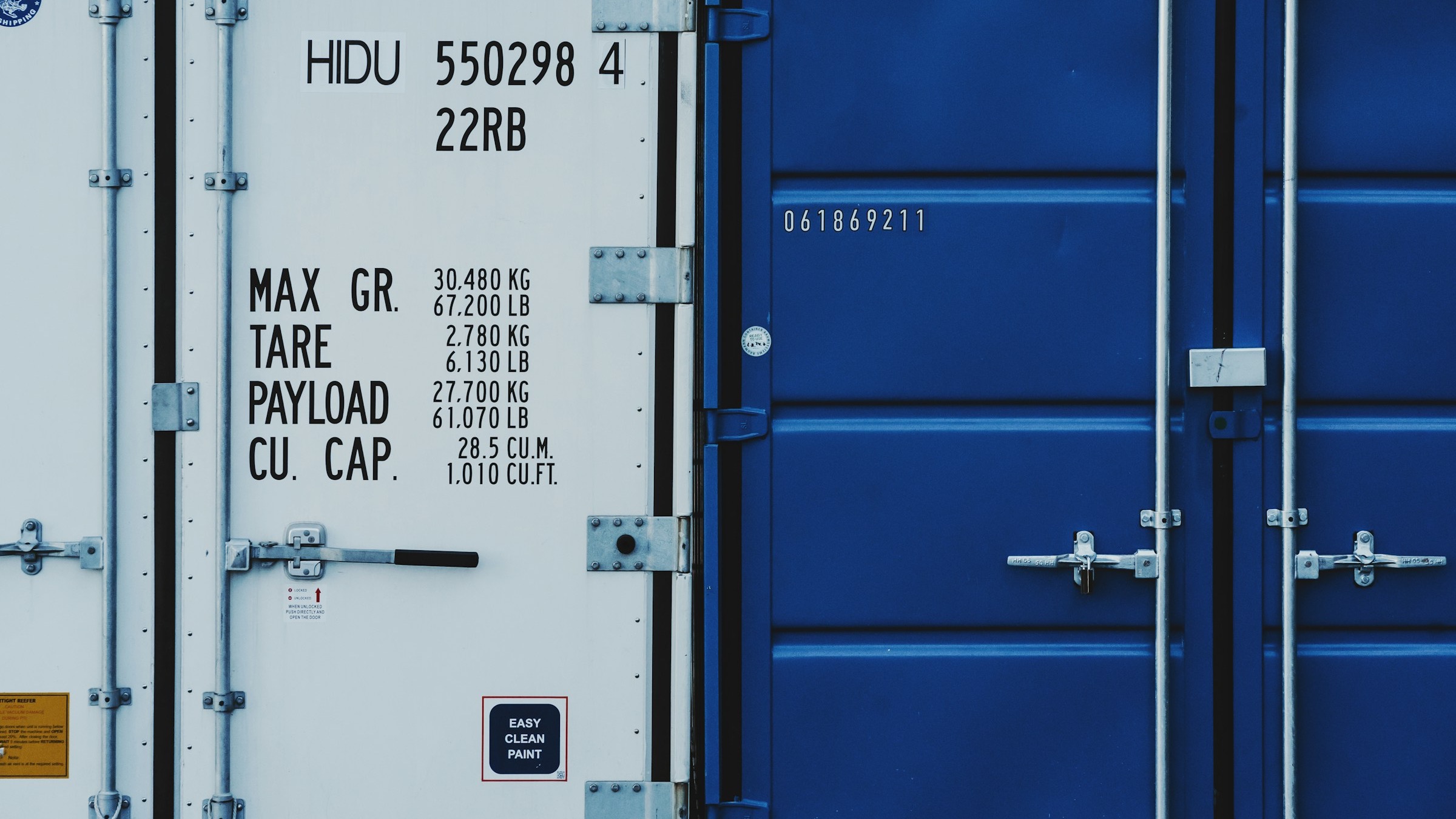
Container inspections carried out in 2025 found deficiencies in more than one cargo unit in ten. It is a figure that closely concerns importers, because almost all those deficiencies originate upstream, at the point where goods are packed and secured.
Container inspections: the 2025 figures
The World Shipping Council consolidated and published the results of national inspection programmes, after the International Maritime Organization stopped issuing its own annual consolidated report in 2024.
- Cargo units inspected in 2025: 93,079
- Units found with deficiencies: 9,645, equal to 10.36%
- The same share in 2024: 11.39%
- Countries that submitted the results of their inspections: seven
- Member states of the International Maritime Organization: more than one hundred and seventy
The seven countries are Chile, Finland, Germany, the Netherlands, the Republic of Korea, Sweden and the United States. The president of the World Shipping Council, Joe Kramek, called finding deficiencies in more than one inspected unit in ten "far too high", recalling that correct declaration, packing, securing and marking are fundamental safety obligations.
The number that matters is not 10.36%
Here a clarification is needed that changes the sense of everything else. Seven countries out of more than one hundred and seventy submitted their data: 10.36% describes what the authorities that inspect and publish have found, not the average quality of the containers travelling the world.
The sample is not random, and it is reasonable to think it is not neutral either: inspections concentrate where there is suspicion, and the countries that inspect systematically are mostly economies with mature controls. From such a figure you can conclude neither that one container in ten worldwide is deficient, nor the opposite.
What can be said is narrower and more useful: where people look methodically, they find a problem in one case in ten, and that proportion has not fallen for years. It is an order of magnitude, not a measurement.
What those deficiencies actually are
The shortcomings found fall into four families: incorrect documentation, marking and labelling errors, inadequate packing, non-compliant securing arrangements.
It is worth noting that none of the four depends on the carrier or the port. All four arise at the moment goods are declared, packed, marked and stowed inside the container — that is, in the great majority of cases, by the supplier or whoever loads on their behalf, thousands of kilometres before the container reaches an inspection.
The possible consequences are known: cargo damage, containers lost at sea, fires on board. And there is an effect that concerns the importer even when nothing dramatic happens: a container held for deficiencies is a container that does not arrive when it should have.
What to ask whoever loads for you
The first point is the simplest and the least practised: ask for photographs of the load before the container is closed. Not of the goods on pallets, but of the loaded container, with the securing visible. It costs nothing, arrives in one message, and makes verifiable something that otherwise remains an assertion.
The second concerns the declaration of the goods. If the product contains something with a particular classification — batteries, aerosols, liquids, substances subject to information obligations — a generic description on the invoice is not enough and is not a formality: it is the first of the four families of deficiency.
The third concerns partial loads. Half-filled containers are the ones where securing matters most and is done worst: if you order quantities that do not fill the unit, it is worth agreeing explicitly how the load is to be blocked, instead of taking it for granted.
With La Merce, knowing that container inspections find deficiencies in more than one case in ten means asking the supplier for photographs of the load before closing and a goods description that would survive a check, because all four of the most frequent shortcomings arise in their warehouse, not at the port.
Sources
Independent checks on the figures cited, verified in-house.
- World Shipping Council — World Shipping Council reinstates cargo inspection deficiency data
- World Shipping Council — Consolidated results of container inspection programmes
- WorldCargo News — WSC: more than one in 10 cargo units fail safety checks
- The Loadstar — One in 10 inspected containers still failing safety checks
- Marine Insight — 11.39% of inspected cargo shipments contained deficiencies in 2024, WSC says
Read related articles

Lithium batteries in containers: thousands travel undeclared

SVHC substances and importer obligations: the list rises to 253 entries
Supplier assessment: only those meeting the highest standards of quality, safety and sustainability
Italian exports in the second quarter of 2026: what the +7.9% really says
Digital customs in Norway: with Digitoll, who reports what changes
Italian hyper-depreciation: confirmation due 60 days after approval
China producer prices are rising: what changes for buyers

European preference in public procurement: bids below 50% can be rejected
Congestion at Chinese ports: ten-day waits before Golden Week

WTO barometer: world trade is growing, but containers fall below trend
Fashion imports from China down 8.1%: what the figure says about suppliers
Hyper-amortisation and foreign machinery: the Made in EU rule is dropped

Chinese exports to Europe: just +6.6% while the rest of the world races ahead

Ten-T corridor delays Italy: Confetra's warning on Brenner and Terzo Valico
Panama Canal draft restrictions: Neopanamax cut postponed
Shanghai-Genoa container rates down 10%: what changes for those importing from China

Demurrage and detention charges disputed: Samsung seeks $186 million from CMA CGM at the FMC

Back to Suez: transits up 36% in August, but the route is only halfway there
Steel imports: "melt and pour" traceability starts on 1 October
China-Europe air cargo: the decline stops, what changes for importers
Goodbye to the €150 exemption: the EU parcel duty rewrites the rules of e-commerce imports
Beyond the electric car: China's new export wave of robots, AI and medicines
Steel: EU 50% tariff and new origin rules — what changes for importers
Air freight: when cargo takes flight, every detail counts
Customs checks on electronics imports: how to avoid penalties and optimise compliance

The Bialetti Moka changes hands: one of Italy's most iconic objects becomes Chinese

MSC is about to buy up ports around the world for 23 billion dollars

Import-export of jewellery and precious metals: what Italian law really says

How much does China really export? Figures and opportunities of the trade giant
OEM vs ODM: two key acronyms for creating a product under your own brand

The 5 questions we always ask our suppliers