Customs checks on electronicsimports: how to avoid penalties and optimise compliance
WEDNESDAY, 18 JUNE 2025
Importing electronics into the EU takes care: WEEE compliance and correct labelling to avoid penalties up to 1,000 euro per product and customs holds.
Importing electrical and electronic equipment (EEE) into the European Union is a strategic activity, but it requires careful management to avoid penalties and customs delays. In recent months the authorities have stepped up checks, with particular attention to compliance with the waste electrical and electronic equipment (WEEE) management system and the correct labelling of devices. This article explores the challenges of customs checks, the consequences of non-compliance and the practices for ensuring responsible, hassle-free importing.
Intensified customs checks
European customs authorities are tightening their verification of imported EEE, focusing on registration in the WEEE register and on product labelling. The WEEE Directive, implemented in Italy through Legislative Decree 49/2014, requires producers and importers to manage electronic waste correctly, promoting recycling. The authorities check that each device bears the producer's name and the crossed-out wheeled bin symbol, which indicates the obligation of separate disposal. An omission can lead to penalties of up to 1,000 euro per product, plus the risk of the goods being held at customs.
Consequences of non-compliance
The penalties for breaching WEEE regulations are immediate and heavy. A fine, which can reach 1,000 euro per item, is accompanied by a formal notice requiring a response within 30 days, supported by documentation proving compliance or justifying the error. If the authorities issue an injunction order, the importer has 60 days to challenge it in court, a process that requires specialised legal expertise. These procedures, if not handled promptly, can cause significant operational delays, especially in international e-commerce.
Prevention: the key to success
Prevention is the most effective strategy for avoiding customs disputes. Companies must ensure that every product is correctly labelled, including the producer's name and the crossed-out wheeled bin symbol, as required by standard EN 50419. It is also essential to verify that registration in the WEEE register is active and that customs declarations are complete. Working with consultants specialised in environmental and customs regulations makes it possible to anticipate requirements and reduce risks.
Managing documentation
A critical aspect is document management. Customs authorities may request certificates of conformity, technical data sheets and proof of WEEE registration. Keeping an organised and accessible archive is indispensable for responding quickly to requests. Companies should also implement internal procedures to check supplier compliance, especially for products imported from non-EU markets. Rigorous due diligence on commercial partners helps avoid surprises during inspections.
Practices for effective compliance
To ensure hassle-free importing, companies can adopt the following practices:
- Ongoing training: keep staff up to date on WEEE regulations and customs procedures.
- Accurate labelling: verify that each product meets the marking requirements before shipping.
- Professional support: rely on freight forwarders and customs consultants to navigate regulatory complexity.
Being compliant with WEEE regulations is not just a legal obligation but also a sign of environmental responsibility, which strengthens a company's reputation in the global market.
With La Merce, importing electronics into the European Union means reaching customs with WEEE compliance and labelling already verified: the penalties described here almost always come from a missing document, not from a faulty product.
Sources
Independent checks on the figures cited, verified in-house.
Read related articles
European preference in public procurement: bids below 50% can be rejected
Steel imports: "melt and pour" traceability starts on 1 October
Steel: EU 50% tariff and new origin rules — what changes for importers

Import-export of jewellery and precious metals: what Italian law really says
Italian hyper-depreciation: confirmation due 60 days after approval

China producer prices are rising: what changes for buyers
Lithium batteries in containers: thousands travel undeclared
Congestion at Chinese ports: ten-day waits before Golden Week
WTO barometer: world trade is growing, but containers fall below trend
Fashion imports from China down 8.1%: what the figure says about suppliers

SVHC substances and importer obligations: the list rises to 253 entries
Hyper-amortisation and foreign machinery: the Made in EU rule is dropped
Chinese exports to Europe: just +6.6% while the rest of the world races ahead

Ten-T corridor delays Italy: Confetra's warning on Brenner and Terzo Valico

Panama Canal draft restrictions: Neopanamax cut postponed

Shanghai-Genoa container rates down 10%: what changes for those importing from China

Demurrage and detention charges disputed: Samsung seeks $186 million from CMA CGM at the FMC

Back to Suez: transits up 36% in August, but the route is only halfway there
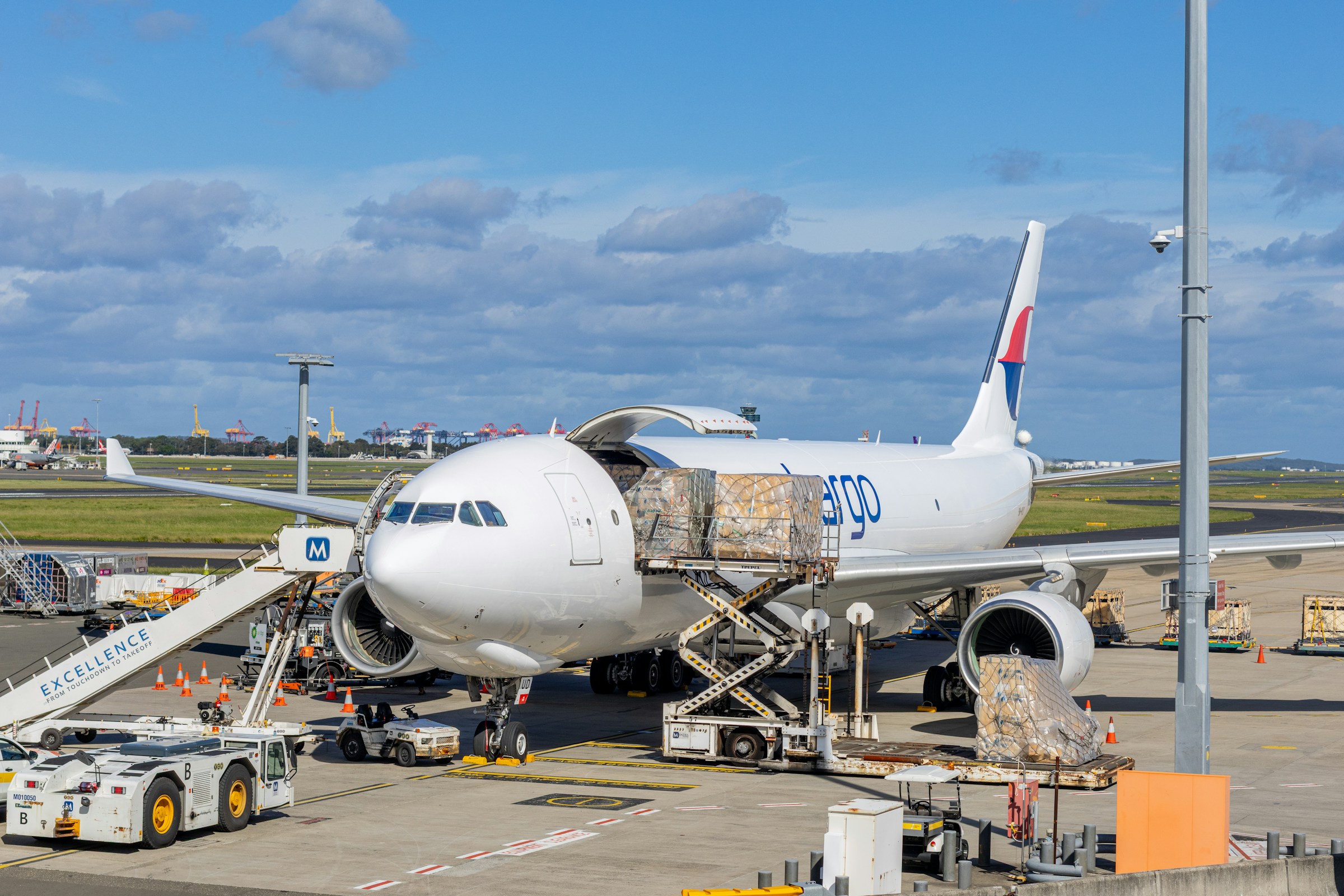
China-Europe air cargo: the decline stops, what changes for importers
Goodbye to the €150 exemption: the EU parcel duty rewrites the rules of e-commerce imports
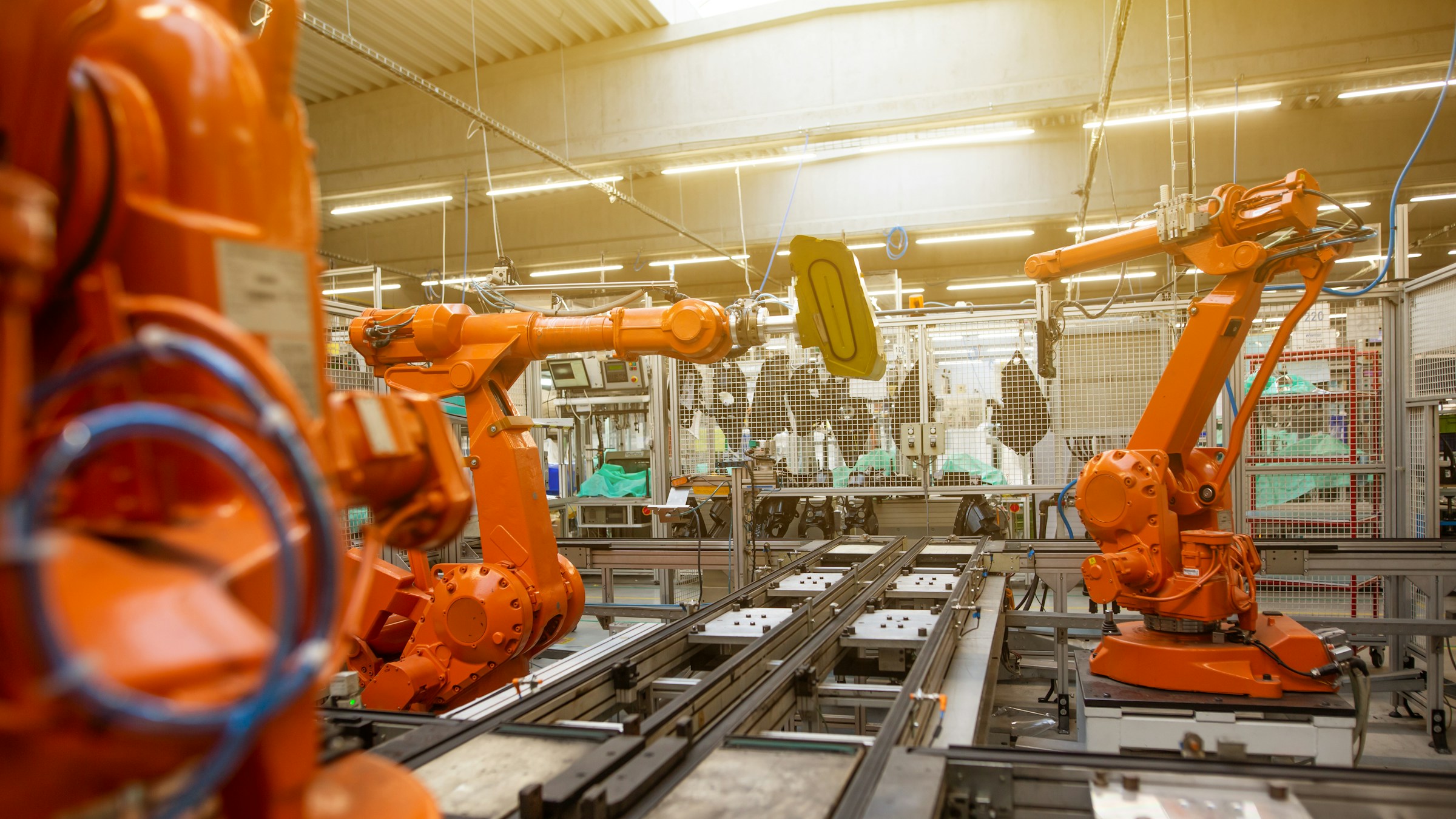
Beyond the electric car: China's new export wave of robots, AI and medicines
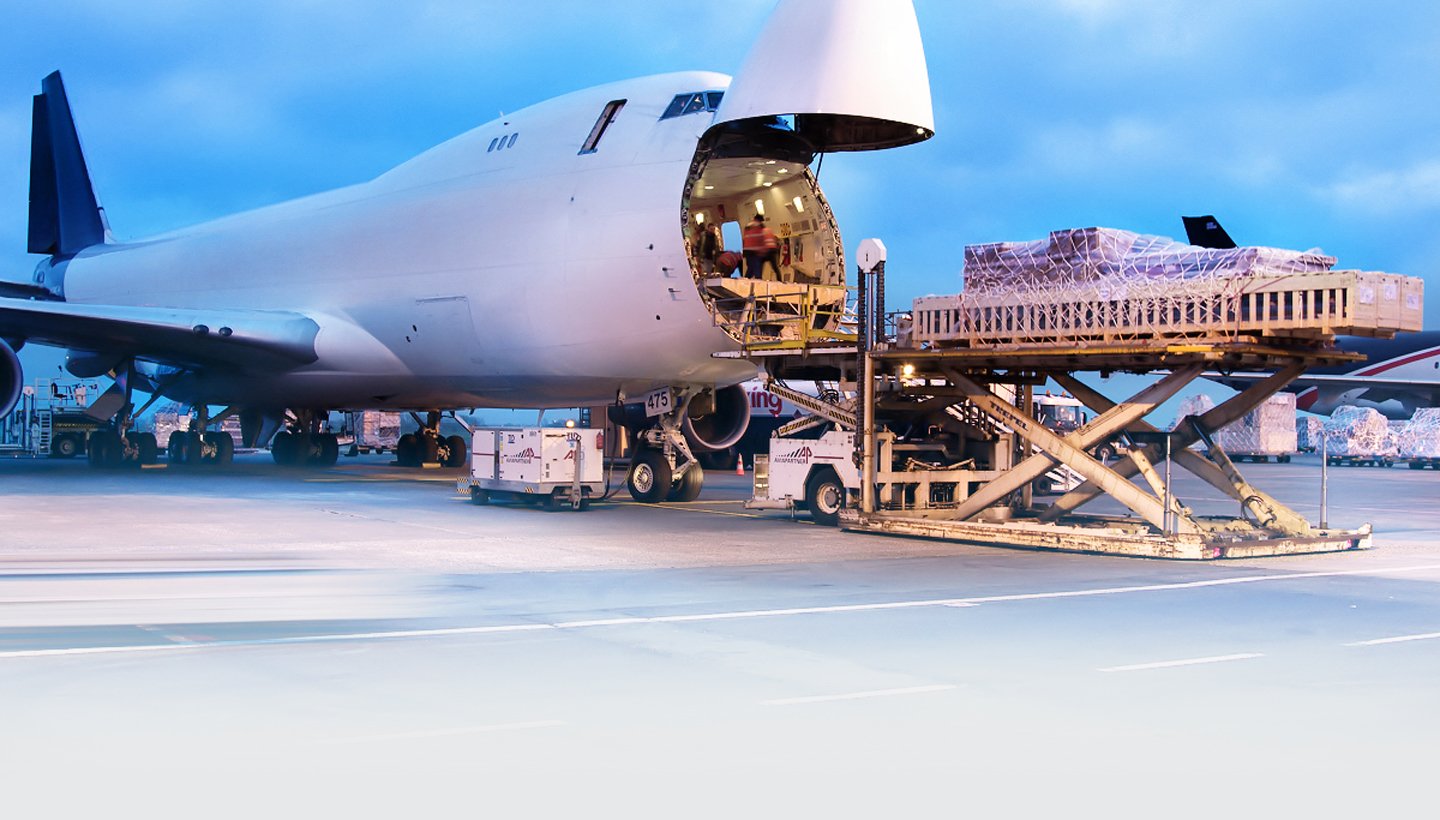
Air freight: when cargo takes flight, every detail counts
The Bialetti Moka changes hands: one of Italy's most iconic objects becomes Chinese

MSC is about to buy up ports around the world for 23 billion dollars

How much does China really export? Figures and opportunities of the trade giant
OEM vs ODM: two key acronyms for creating a product under your own brand

The 5 questions we always ask our suppliers
Incoterms: the basics of international trade