China export controls: 14 technologies to be banned in AI, biotech and solar
FRIDAY, 16 OCTOBER 2026
Beijing proposes banning 14 technologies and putting 26 more under licence across AI, biomedicine and solar, with registration required immediately: what changes for buyers of Chinese equipment.
China export controls are set to cover 40 more technologies: 14 would be banned and 26 restricted under the proposal published on 16 October by the Ministries of Commerce and of Science, covering artificial intelligence, biomedicine and photovoltaics. Products made with these technologies stay outside the scope, but anyone transferring the know-how abroad must now register first.
What Announcement No. 48 of 2026 provides
The Ministry of Commerce and the Ministry of Science and Technology published Announcement No. 48 of 2026, which opens a public consultation on revising the Catalogue of Technologies Prohibited or Restricted from Export. The catalogue has existed since 2001: prohibited technologies cannot be exported, restricted ones require a licence, and all others are free to export, subject only to contract registration.
According to the Ministry of Commerce spokesperson, the revision is a routine update and does not target any country, region or entity. The proposed technologies concern three sectors in which, Beijing argues, applications in sensitive fields are expanding.
China export controls: the numbers in the proposal
The text of the announcement and the spokesperson's note give this breakdown:
- Technologies proposed in total: 40, of which 14 to be prohibited and 26 to be restricted under licence.
- Artificial intelligence: 23 technologies related to large models, agents, computing clusters and information processing.
- Biomedicine: 5 technologies on cell and gene therapies, small nucleic acid drugs and pathogenic microorganisms.
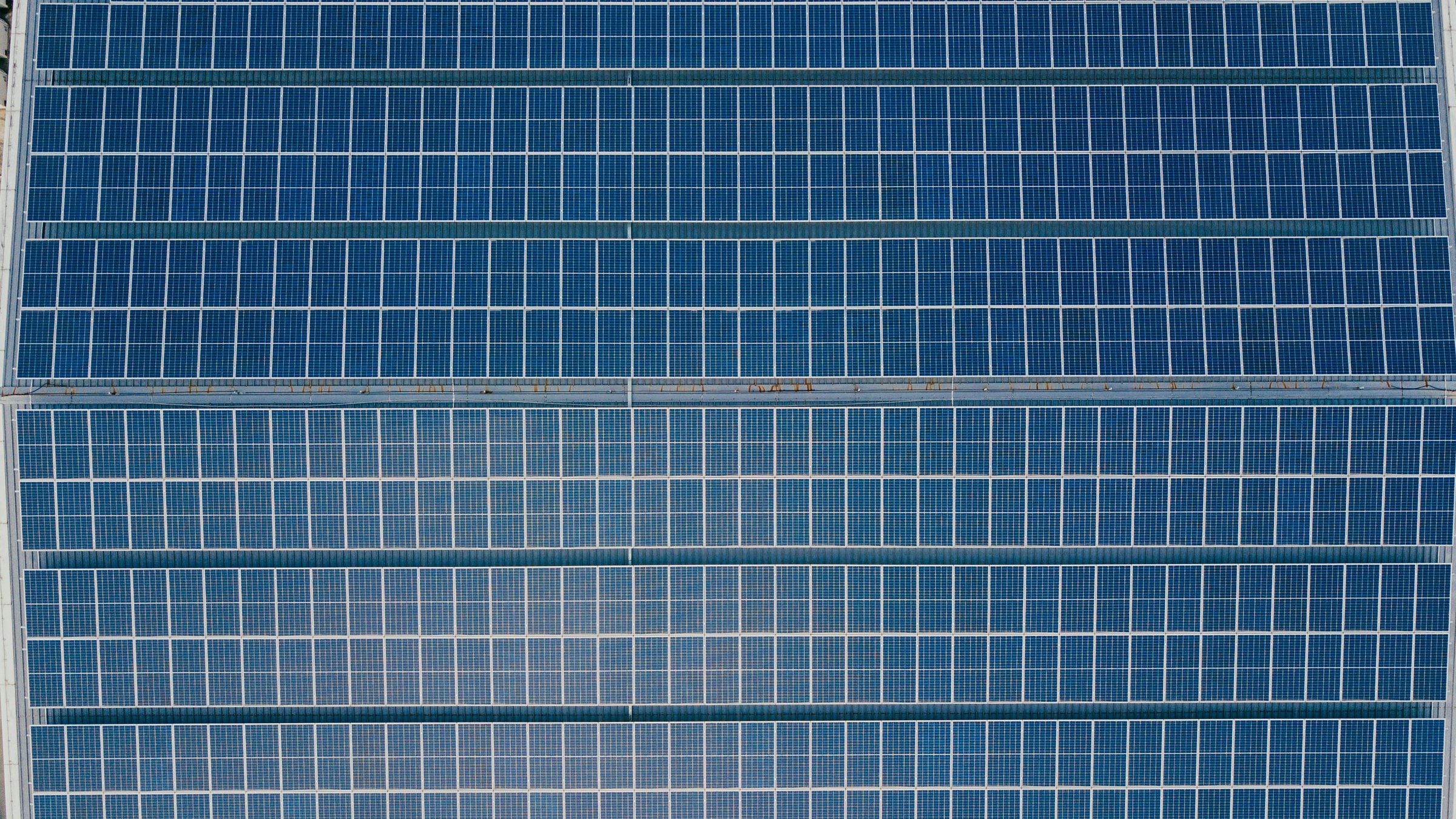
- Photovoltaics: 12 technologies on polysilicon, silicon wafer and cell manufacturing, including some key equipment that embodies them.
- Public consultation: from 16 October to 15 November 2026.
Among the examples given by the ministry, production technologies for perovskite and tandem cell modules and AI-driven malicious code generation would be prohibited. Engineering of polysilicon plants with a capacity of at least 30,000 tonnes a year per line would instead require a licence.
Mandatory registration applies immediately
The part already in force is not the catalogue, which is still under consultation, but a temporary measure. From the date of the announcement until the revised catalogue takes effect, anyone exporting one of the 40 technologies must first register on the Ministry of Commerce platform, stating the buyer, destination country, intended use and estimated value. The obligation also applies to exports that have started but are not yet completed.
Registration covers the transfer of ownership of a technology to a foreign entity, licensing for use abroad, a change of owner or actual controller to a foreign entity, and other cases named by the ministry. For the key photovoltaic equipment within the scope, the ministry states that exports must always be registered.
This is not the first targeted extension of the catalogue. Announcement No. 28 of July 2025 added technologies for preparing battery cathode materials, such as lithium iron phosphate, to the list requiring a licence.
What the measure says and what it does not
The control concerns the transfer of knowledge and processes, not goods. The ministry writes that products made with the listed technologies fall outside its management: the measure therefore says nothing about the availability of solar panels, cells or components for those who buy them. In the case of AI, using a model via API or subscription software remains excluded.
Thresholds matter too. The ministry stresses that most of the technologies have precise technical indicators and that those below the control values remain freely exportable. Until 15 November, the list may also change. The measure does signal a clear trend, however: Beijing treats industrial know-how in sectors it leads as a resource to be managed with licences, as it has already done for batteries and rare earths.
What it means for importers
For anyone buying modules, inverters or finished products from China, nothing changes at customs. The issue concerns those buying machinery or production lines from China, those signing licensing or joint development agreements and those taking a stake in a Chinese company. The ministry notes that photovoltaic technology exports often accompany the sale, installation and commissioning of a production line: in those cases a licence is needed, and Chinese banks, tax offices and customs ask for it before proceeding.
Three steps are worth taking. First, ask the supplier whether the contract includes technical assistance, training or process documentation that could fall under the 40 items. Second, allow time in delivery schedules for registration and, after the revision, for any licence. Third, add a clause stating who bears delays caused by new export obligations.
With La Merce, companies buying photovoltaic plants or equipment in China check with the supplier, before the consultation closes on 15 November, whether the supply includes technologies subject to registration, and plan delivery around licence timelines.
Sources
Independent checks on the figures cited, verified in-house.
- Ministero del Commercio cinese (MOFCOM) — 商务部新闻发言人就修订《中国禁止出口限制出口技术目录》答记者问
- Science and Technology Daily — 两部门就修订中国禁止出口限制出口技术目录公开征求意见 (公告2026年第48号)
- Xinhua — China mulls banning, restricting export of some AI, biomedicine, photovoltaic technologies
- The Standard (Reuters) — China proposes adding 40 AI, biotech, solar technologies to export control list
- Cailian Press — 商务部新闻发言人就调整《中国禁止出口限制出口技术目录》应询答记者问 (2025)
Read related articles
China rare earth exports: 4,270 tonnes in September, faster EU licences
China producer prices up 5% in September, the fastest since 2022

Trademark registration grant: Italy's Marchi+ 2026 refunds up to 9,000 euros per trademark abroad
Hyper-depreciation or tax credits: what the UPB says about machinery incentives
China's manufacturing PMI at 50.1: factory costs and prices rise
Industrial profits in China: +15.7%, but clothing and furniture fall
Industrial robots in China: 354,000 installed in 2025, 59% of the world
Chinese trucks assembled in Europe: the Steyr plant in Austria
European steel protection and the bill for those who transform it
China's electronics five-year plan: 30 trillion yuan by 2030
Italian hyper-depreciation: confirmation due 60 days after approval
Hyper-amortisation and foreign machinery: the Made in EU rule is dropped
The Bialetti Moka changes hands: one of Italy's most iconic objects becomes Chinese
OEM vs ODM: two key acronyms for creating a product under your own brand

EU ETS shipping: carriers buy almost 20% of EU allowances

How to find reliable suppliers in China: five channels and how to spot a real factory
Canton Fair 2026 opens with 32,000 exhibitors, running until 4 November
EORI number Italy: what it is, how to get one and how to check it before your first import
China trade surplus: exports up 36.3% in September, surplus with the EU at 34.8 billion

Import duty from China to EU: how to calculate it, with a worked example

Container ship delays: only 4% on time from Asia to Europe in September
China export tax rebate: electric vehicles cut to 9% from 2027, e-cigarettes out
How to get CE marking: the steps and the importer's obligations
EU China trade deal: fewer hybrids and lower tariffs on €4 billion
Critical raw materials strategic projects: the EU picks 46, five in Italy
Container cost from China to Europe: every cost item and a worked example
World trade forecast: WTO raises 2026 goods growth to 3.9%

How to import from China to Europe: a step-by-step guide for businesses
After Golden Week: what to expect from Chinese factories and shipping
Truck stoppage in Calabria and Sicily: deliveries at risk from 9 to 20 October
China's battery plan: parts-per-billion defects by 2030

Sourcing by Italian SMEs: 86% domestic, but non-EU rises to 22%
Air cargo in September: demand +6% and ever shorter contracts
European 301 tool against China: what we know and what we don't
Asia-Europe container rates: twelve weeks of decline, Shanghai-Genoa at 3,702 dollars

Container connectivity at Italian ports: Genoa, Gioia Tauro and La Spezia decline
Digital DeCA in Spain from 5 October: what changes for road freight
Extra-EU imports in August: +17.2%, from China +16%

US-China tariffs cut on 30 billion: what changes for buyers in China
Sicily truck stoppage from 16 to 20 October: how to protect deliveries
Transport packaging rules and the PPWR: 40% reusable by 2030
Leather excluded from the EUDR: what changes for importers from 7 October

Pinglu Canal: 560 kilometres less to reach the sea
Supply chain risk monitoring: only 20% do it continuously
EU customs reform: what changes now and what in 2028
New Maersk container ships: 26 units delivering from 2029
Costume jewellery imported from China: 49,512 items stopped in Genoa
Italian stone exports: value up, volumes down
Diesel price at 2026 highs: what reaches your deliveries
Suez transits: the return is mostly on voyages back to Asia
The Italian small parcels tax is postponed to 30 November
German import VAT reform: less cash tied up at the port
Four Gemini services return to the Suez Canal: what changes for Ligurian ports
Italian exports in the second quarter of 2026: what the +7.9% really says
Container inspections: deficiencies in more than one unit in ten
Digital customs in Norway: with Digitoll, who reports what changes
China producer prices are rising: what changes for buyers

European preference in public procurement: bids below 50% can be rejected

Lithium batteries in containers: thousands travel undeclared
Congestion at Chinese ports: ten-day waits before Golden Week
WTO barometer: world trade is growing, but containers fall below trend
Fashion imports from China down 8.1%: what the figure says about suppliers

SVHC substances and importer obligations: the list rises to 253 entries
Chinese exports to Europe: just +6.6% while the rest of the world races ahead

Ten-T corridor delays Italy: Confetra's warning on Brenner and Terzo Valico

Panama Canal draft restrictions: Neopanamax cut postponed

Shanghai-Genoa container rates down 10%: what changes for those importing from China

Demurrage and detention charges disputed: Samsung seeks $186 million from CMA CGM at the FMC

Back to Suez: transits up 36% in August, but the route is only halfway there
Steel imports: "melt and pour" traceability starts on 1 October
China-Europe air cargo: the decline stops, what changes for importers
Goodbye to the €150 exemption: the EU parcel duty rewrites the rules of e-commerce imports
Beyond the electric car: China's new export wave of robots, AI and medicines
Steel: EU 50% tariff and new origin rules — what changes for importers
Air freight: when cargo takes flight, every detail counts
Customs checks on electronics imports: how to avoid penalties and optimise compliance

MSC is about to buy up ports around the world for 23 billion dollars

Import-export of jewellery and precious metals: what Italian law really says
How much does China really export? Figures and opportunities of the trade giant

The 5 questions we always ask our suppliers

Incoterms: the basics of international trade