Anti dumping duties EU: what they are, how they work and how to calculate them
SUNDAY, 1 NOVEMBER 2026
How an EU anti-dumping investigation starts, why the same Chinese product can pay very different rates depending on the factory, the invoice declaration that avoids the residual rate and a worked example including VAT.
Anti dumping duties EU customs collect are additional duties on imports of a product sold in Europe below its normal value, when this harms European producers. They are added on top of the ordinary tariff duty and can be worth more than the duty itself.
For anyone importing from China they are not a specialist topic: at the end of 2025 the European Union had 232 trade defence measures in force, and a good share of them concern Chinese products, from screws to pigments, from tyres to chemicals. This guide explains how they arise, how they are calculated, why the same product can pay very different rates depending on the factory, and how to check them before signing an order.
Anti dumping duties EU: what they are and when they apply
The legal basis is Regulation (EU) 2016/1036, the basic anti-dumping regulation. Dumping occurs when the export price to the Union is lower than the normal value of the product, meaning the price charged on the domestic market of the producing country or a value constructed from production cost plus a profit margin.
Dumping alone is not enough. The European Commission can impose a duty only if it establishes four conditions together: dumping, material injury to the Union industry, a causal link between the two, and no Union interest against measures. If any of the four is missing, the investigation ends without duties.
Alongside anti-dumping there are countervailing, or anti-subsidy, duties under a parallel regulation (2016/1037): they hit products that benefit from public subsidies in the country of origin. For the importer they work the same way: they are paid at customs together with the other duties.
How the dumping margin is calculated
The dumping margin is the difference between normal value and export price, expressed as a percentage of the export price. The regulation sets two thresholds that end the proceeding: a margin below 2% and negligible imports, meaning from countries with a market share below 1%, unless those countries together account for 3% or more of Union consumption.
For China there is one more step. Since December 2017 the Commission has used an alternative method when state intervention significantly distorts the exporting country's economy: instead of Chinese prices and costs, normal value is built on undistorted benchmarks, for example the costs of a representative third country. In practice the result is often higher margins than Chinese price lists would show.
The duty cannot exceed the dumping margin, and the regulation provides that it should be lower when a smaller amount is enough to remove the injury to European industry. In assessing this the Commission also takes into account distortions in raw material prices.
How an anti-dumping investigation starts and how long it lasts
An investigation normally starts from a complaint by European producers, who must account for at least 25% of Union production of the like product. The Commission opens the proceeding with a notice in the Official Journal of the European Union: it is the first signal to watch for anyone importing that product.
The deadlines are set by the regulation:
- Provisional duties: no earlier than 60 days after initiation, normally within 7 months and in any case no later than 8 months.
- Notice to parties: information on the planned provisional duties arrives 4 weeks before they are imposed.
- End of the investigation and definitive duties: in all cases within 14 months of initiation.
- Duration of definitive measures: 5 years, unless extended after an expiry review.
- Refund of duties overpaid: the application must be filed within 6 months of the determination of the definitive duties due.
In 2025 the Commission made imports subject to registration in all new anti-dumping and anti-subsidy investigations. Registration allows duties to be collected retroactively on goods cleared during the investigation, where the legal conditions are met: this happened in 3 of the 26 definitive measures of 2025, all on Chinese products (erythritol, multi-layered wood flooring and screws without heads). Buying large quantities during an investigation, hoping to beat the duty, can therefore turn out to be a bad bet.
Individual rate, residual rate and TARIC additional code
An anti-dumping regulation rarely sets a single rate for the whole country. It usually lists the exporting producers that cooperated with the investigation, each with its own rate and its own four-character TARIC additional code, and then a residual rate for "all other companies", usually the highest.
The individual rate does not apply automatically. The regulation makes it conditional on presenting to customs a valid commercial invoice carrying a dated declaration signed by an official of the company issuing the invoice: it must certify that the goods were manufactured by that company, with its TARIC additional code, in the stated country. If the declaration is missing or does not match, customs applies the residual rate.
This is where many importers lose money. An invoice issued by a trader, or by a factory other than the one named in the regulation, triggers the higher rate even if the product is identical.
Circumvention: changing the shipping country is not enough
The regulation provides for extending duties when measures are circumvented: slightly modified products, shipments through a third country, assembly of components. For assembly the threshold is precise: there is circumvention if the parts from the country subject to measures make up 60% or more of the total value of the parts, unless the value added by the operation exceeds 25% of the manufacturing cost.
In 2025 an anti-circumvention investigation extended the anti-dumping duty on Chinese monosodium glutamate to Malaysia. A supplier proposing to ship from a neighbouring country to avoid the duty is proposing a risk, not a saving: the extension can come later, and the bill is paid by whoever imported.
How many anti-dumping measures are in force
The Commission's annual report on trade defence, published on 17 September 2026, gives the scale of the phenomenon:
- Trade defence measures in force at the end of 2025: 232, against 199 at the start of the year.
- Of which anti-dumping measures: 159, plus 39 anti-dumping extensions decided after anti-circumvention investigations.
- Anti-subsidy measures: 25.
- New investigations opened in 2025: 32, of which 30 anti-dumping and 2 anti-subsidy, just below the 33 of 2024.
- Definitive measures imposed in 2025: 26, of which 3 with retroactive collection, all on Chinese products.
The figure does not say what share of Italian imports is affected: it counts measures, not their weight in trade. It does signal a rising trend, and suggests it is worth checking measures before every new product rather than once a year.
How to check whether a product pays anti-dumping duties
The check is done on the Commission's TARIC database, with the product's nomenclature code and the country of origin. The steps:
- Classify the product correctly: a wrong code can make a measure slip through.
- Query TARIC with the origin (for example China) and look for anti-dumping or anti-subsidy measures, provisional or definitive.
- Read the implementing regulation cited: the product description, the exclusions and the table of rates by producer.
- Ask the supplier for the exact name of the manufacturing company and check whether it appears with an additional code.
- Watch the notices of initiation of new investigations: a product free today can be under investigation tomorrow.
Example of an anti-dumping duty calculation
An example with hypothetical figures. A company imports from China a batch of metal fasteners with a customs value of 20,000 euros (CIF value at the Union border). Assume an ordinary duty of 3.7%, an individual anti-dumping duty of 12% for the producer named in the regulation and a residual rate of 30% for all other companies. Import VAT is 22%.
With the producer's invoice and the correct declaration: ordinary duty 740 euros, anti-dumping duty 2,400 euros. The VAT base includes the value and the customs duties, so 23,140 euros, and VAT is 5,090.80 euros.
Without a valid declaration, for example with a trader's invoice: ordinary duty still 740 euros, but anti-dumping duty 6,000 euros. The VAT base rises to 26,740 euros and VAT to 5,882.80 euros.
The duty difference is 3,600 euros on the same goods, 18% of the value of the batch. The extra VAT is normally deductible, the duty is not: it stays a cost that erodes the margin or breaks the selling price.
Anti-dumping duties on imports from China
With La Merce the anti-dumping check happens before the order, not at customs clearance: TARIC code and measures in force for Chinese origin, the name of the factory that actually makes the goods compared with the table of additional codes, the invoice declaration in the wording the regulation requires, so as not to pay the residual rate when the individual one is due.
Sources
Independent checks on the figures cited, verified in-house.
- Ministero degli Affari Esteri — Regolamento (UE) 2016/1036 relativo alla difesa contro le importazioni oggetto di dumping
- legislation.gov.uk — Regulation (EU) 2016/1036, Article 5: Initiation of proceedings
- legislation.gov.uk — Regulation (EU) 2016/1036, Article 11: Duration, reviews and refunds
- legislation.gov.uk — Regulation (EU) 2018/825 amending Regulation (EU) 2016/1036
- legislation.gov.uk — Commission Delegated Regulation (EU) 2020/1173
- Commissione europea, DG Commercio — Anti-dumping measures
- Consiglio dell'Unione europea — 44th Annual Report on the EU's Anti-Dumping, Anti-Subsidy and Safeguard activities in 2025, COM(2026) 475
- Peacock Tariff Consulting — EU Duty Count
- Deloitte Belgium — How EU trade defence measures affect your business more than ever
- Douane française — Avis aux importateurs de dioxyde de titane originaire de la République populaire de Chine
- legislation.gov.uk — Commission Implementing Regulation (EU) 2018/921, Article 1
- Brocardi — Art. 69 Testo unico IVA: determinazione dell'imposta
- Leggeinchiaro — Art. 69 T.U.IVA: Determinazione dell'imposta
Read related articles

EU tariffs on Chinese goods: safeguards now extend to furniture

Italy small parcel tax: postponed again to 1 January 2027
Import VAT EU: taxable base, deferral, deduction and VAT ceiling in Italy
Dual-use export controls: China requires licences for tunnel boring machines and drone parts from 18 November

Preferential and non preferential certificate of origin: differences, EUR.1 and chamber of commerce

TARIC code lookup: the 10 digits, the EU database and Binding Tariff Information

Customs clearance in Italy for goods from China: how it works, the documents and the customs entry

EORI number Italy: what it is, how to get one and how to check it before your first import

Import duty from China to EU: how to calculate it, with a worked example
EU China trade deal: fewer hybrids and lower tariffs on €4 billion
World trade forecast: WTO raises 2026 goods growth to 3.9%

European 301 tool against China: what we know and what we don't

Digital DeCA in Spain from 5 October: what changes for road freight

Leather excluded from the EUDR: what changes for importers from 7 October
EU customs reform: what changes now and what in 2028
The Italian small parcels tax is postponed to 30 November
German import VAT reform: less cash tied up at the port
Digital customs in Norway: with Digitoll, who reports what changes

European preference in public procurement: bids below 50% can be rejected
Steel imports: "melt and pour" traceability starts on 1 October
Steel: EU 50% tariff and new origin rules — what changes for importers
Customs checks on electronics imports: how to avoid penalties and optimise compliance

Import-export of jewellery and precious metals: what Italian law really says
Italy air cargo in September: Malpensa down 7.9%
China factory activity at 49.3 in October: export orders fall

Packing list meaning: contents, how to fill it in and an example
Container ship orderbook at 46.5% of the fleet, the highest since 2009

Letter of credit meaning: how it works, types, costs and documents

Canton Fair phase 3: toys, fashion and stationery from 31 October
Parcels from China: e-commerce air volumes to the EU halved in September

Bill of lading meaning: how it works, types and the electronic B/L
China trade secrets law: Beijing drafts six measures against foreign firms

China port throughput: containers up 4.5% in nine months, Shanghai sets a September record
MOQ meaning: what minimum order quantity is and how to negotiate it
Canton Fair phase 2 opens: home goods and gifts, 23 to 27 October
LCL vs FCL from China: thresholds, transit times and risks
China five-year plan: 22 tasks for core components and materials by 2030

Suez Canal shipping route: 70% of Asia-Mediterranean capacity is back

Private label meaning: how it works, advantages and risks for importers
China electronics manufacturing up 15.8% in nine months, profits doubled
Counterfeit goods seized in Italy: over 5 million items in 2025, toys top the list

China to Europe shipping time: sea, rail and air door to door to Italy
Supplier payment terms in Italy: only 42.3% paid on time, and 30.5% rely on one customer
Port of Trieste: containers up 22.3% in the third quarter, but trains down 14%

China GDP growth 2026: 4.5% in the third quarter, consumption stuck at 1.1%
Chinese battery storage: output up 110% to over 420 GWh in six months

Port of Rotterdam container throughput: full imports up 8.9%, transhipment down 20%
EU safeguard measures: Chinese chemicals and machinery targeted after the summit

Ocean freight rates rebound: Shanghai-Genoa up 7% after 13 weeks of decline
China export controls: 14 technologies to be banned in AI, biotech and solar

EU ETS shipping: carriers buy almost 20% of EU allowances

How to find reliable suppliers in China: five channels and how to spot a real factory

Canton Fair 2026 opens with 32,000 exhibitors, running until 4 November
China rare earth exports: 4,270 tonnes in September, faster EU licences

China trade surplus: exports up 36.3% in September, surplus with the EU at 34.8 billion
China producer prices up 5% in September, the fastest since 2022

Container ship delays: only 4% on time from Asia to Europe in September
China export tax rebate: electric vehicles cut to 9% from 2027, e-cigarettes out

How to get CE marking: the steps and the importer's obligations
Critical raw materials strategic projects: the EU picks 46, five in Italy
Container cost from China to Europe: every cost item and a worked example

Trademark registration grant: Italy's Marchi+ 2026 refunds up to 9,000 euros per trademark abroad

How to import from China to Europe: a step-by-step guide for businesses
After Golden Week: what to expect from Chinese factories and shipping

Truck stoppage in Calabria and Sicily: deliveries at risk from 9 to 20 October
China's battery plan: parts-per-billion defects by 2030

Sourcing by Italian SMEs: 86% domestic, but non-EU rises to 22%
Air cargo in September: demand +6% and ever shorter contracts
Hyper-depreciation or tax credits: what the UPB says about machinery incentives
China's manufacturing PMI at 50.1: factory costs and prices rise

Asia-Europe container rates: twelve weeks of decline, Shanghai-Genoa at 3,702 dollars

Container connectivity at Italian ports: Genoa, Gioia Tauro and La Spezia decline
Industrial profits in China: +15.7%, but clothing and furniture fall

Extra-EU imports in August: +17.2%, from China +16%

US-China tariffs cut on 30 billion: what changes for buyers in China
Sicily truck stoppage from 16 to 20 October: how to protect deliveries
Transport packaging rules and the PPWR: 40% reusable by 2030
Industrial robots in China: 354,000 installed in 2025, 59% of the world

Pinglu Canal: 560 kilometres less to reach the sea
Chinese trucks assembled in Europe: the Steyr plant in Austria

Supply chain risk monitoring: only 20% do it continuously
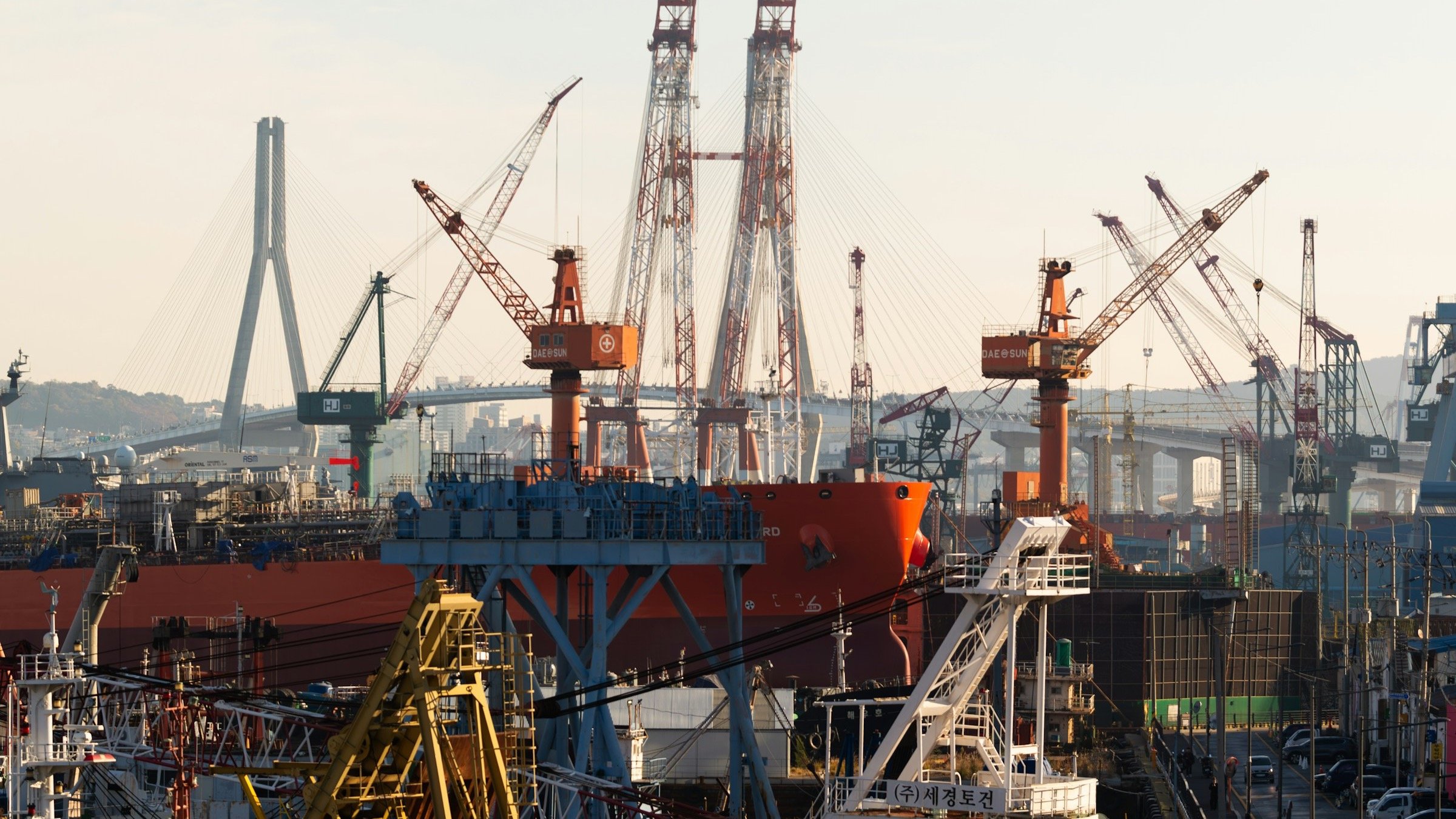
New Maersk container ships: 26 units delivering from 2029
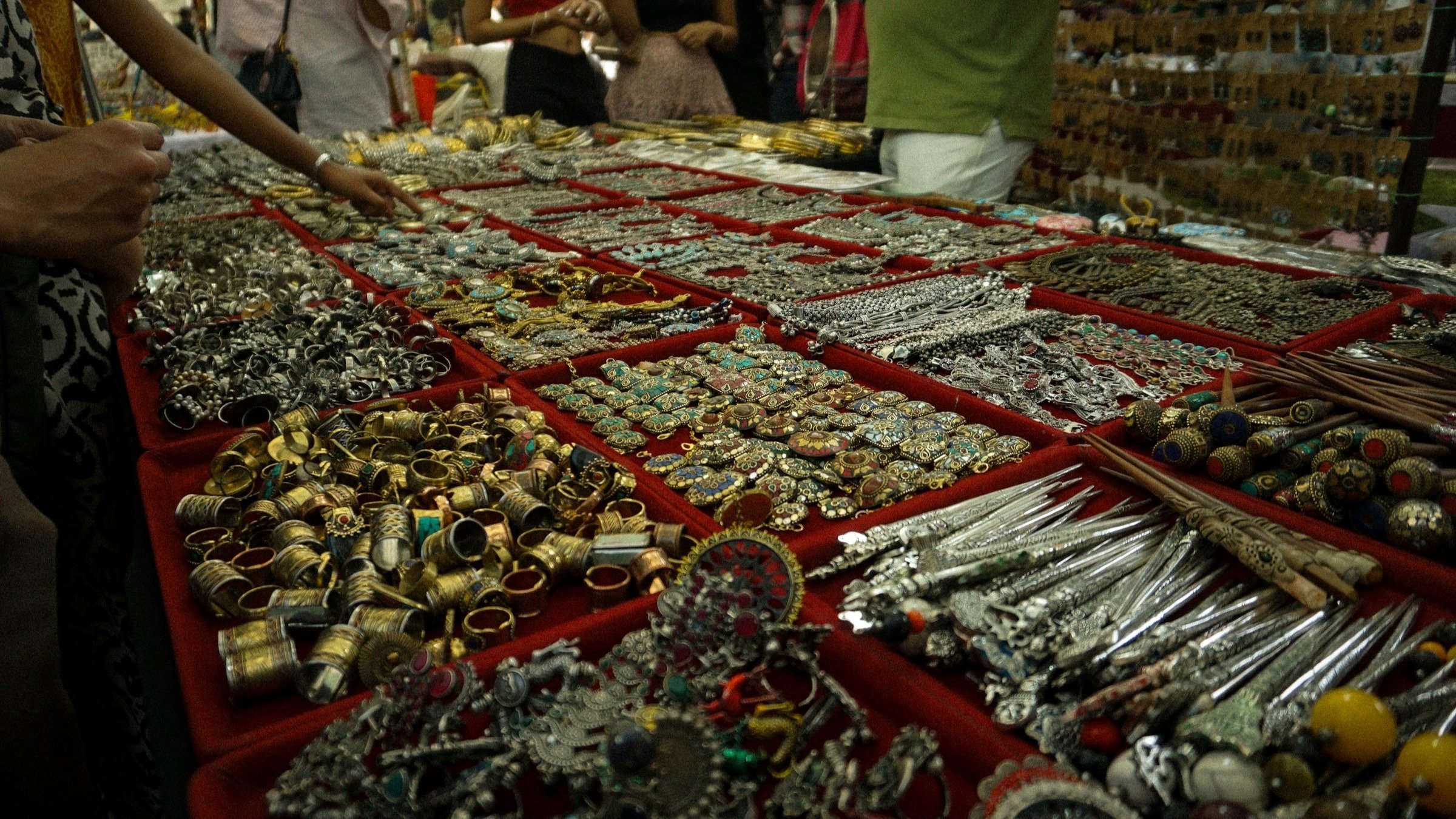
Costume jewellery imported from China: 49,512 items stopped in Genoa
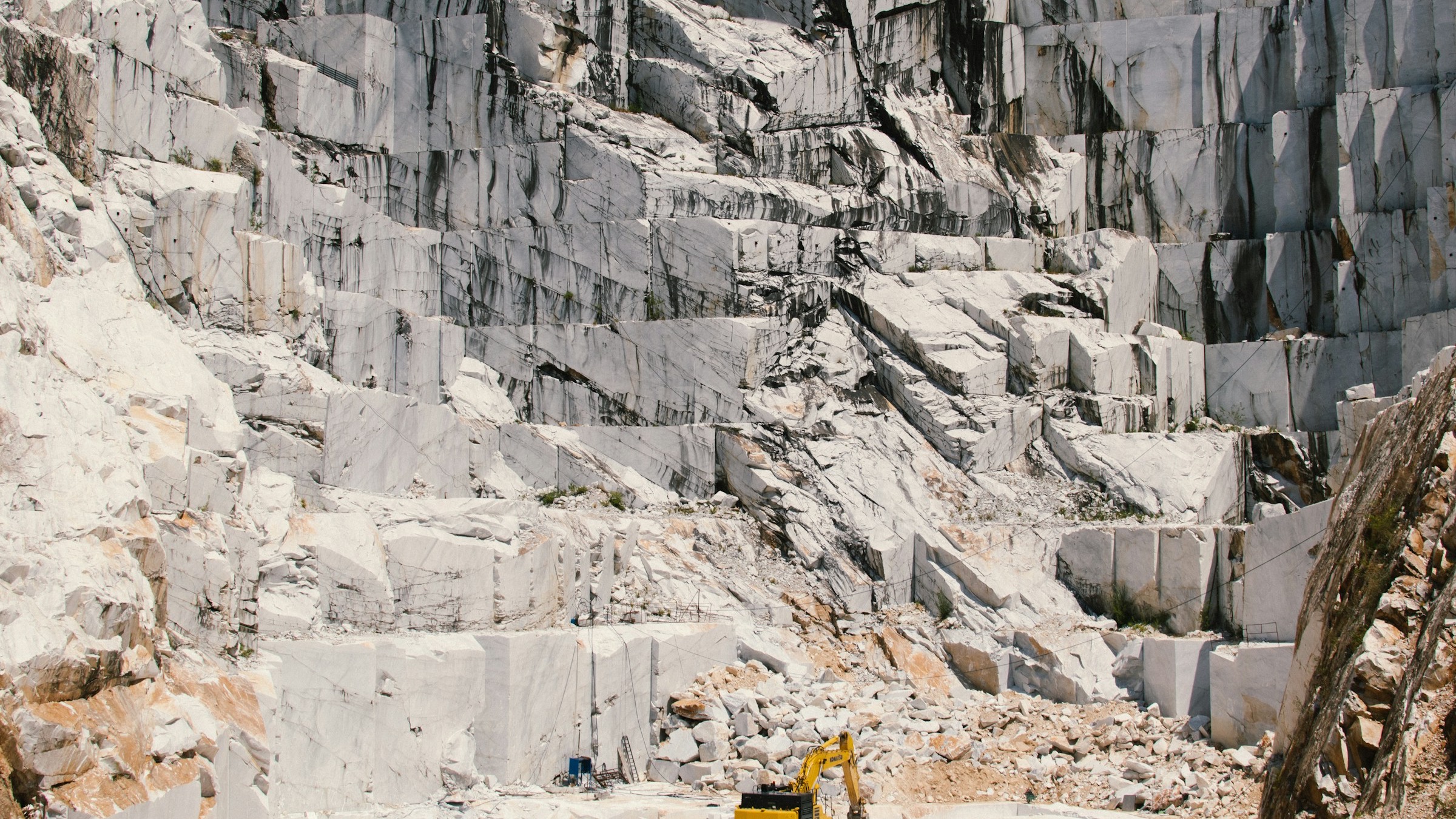
Italian stone exports: value up, volumes down
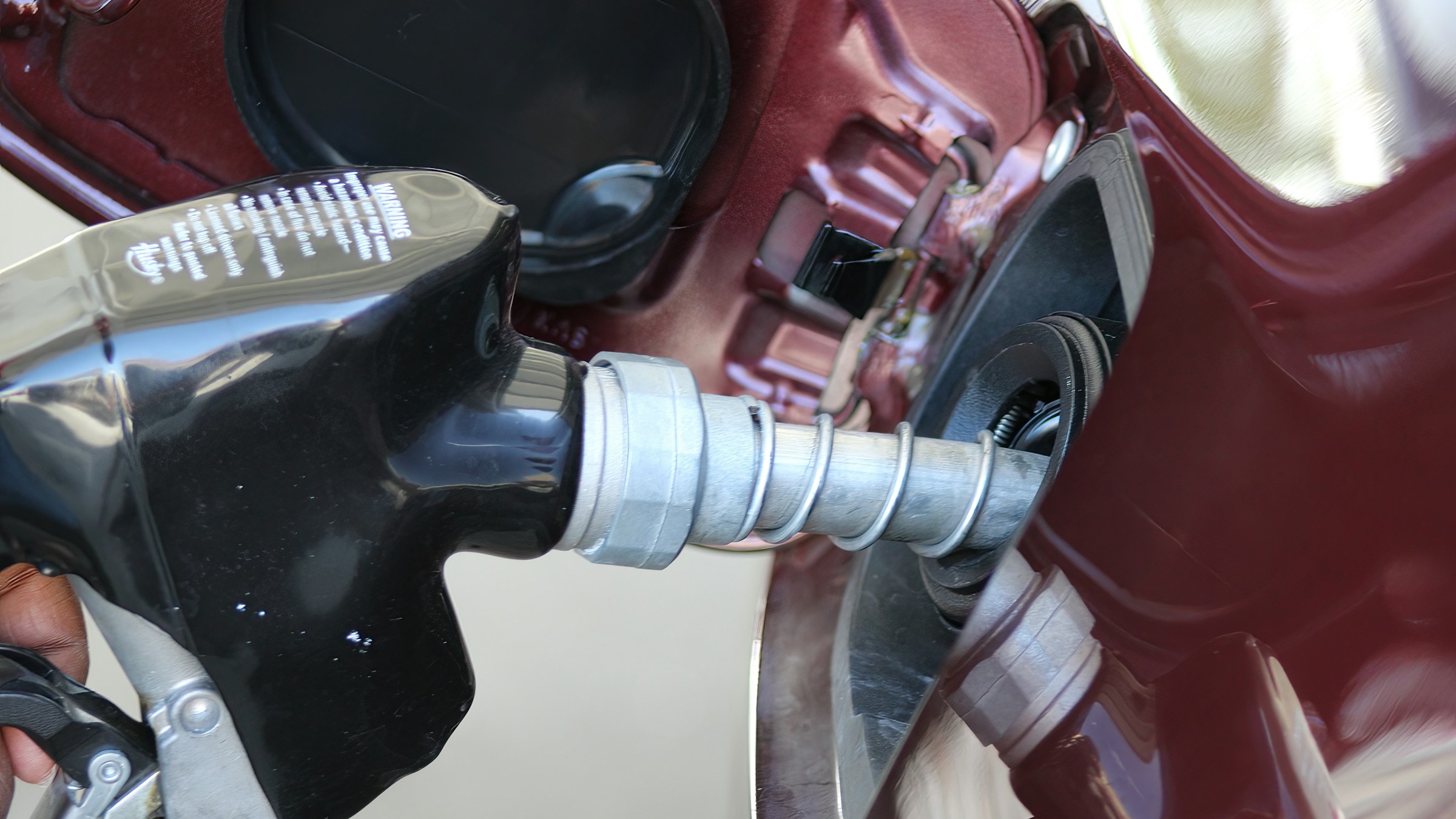
Diesel price at 2026 highs: what reaches your deliveries
Suez transits: the return is mostly on voyages back to Asia
European steel protection and the bill for those who transform it

China's electronics five-year plan: 30 trillion yuan by 2030
Four Gemini services return to the Suez Canal: what changes for Ligurian ports
Italian exports in the second quarter of 2026: what the +7.9% really says
Container inspections: deficiencies in more than one unit in ten
Italian hyper-depreciation: confirmation due 60 days after approval
China producer prices are rising: what changes for buyers

Lithium batteries in containers: thousands travel undeclared
Congestion at Chinese ports: ten-day waits before Golden Week
WTO barometer: world trade is growing, but containers fall below trend
Fashion imports from China down 8.1%: what the figure says about suppliers

SVHC substances and importer obligations: the list rises to 253 entries
Hyper-amortisation and foreign machinery: the Made in EU rule is dropped
Chinese exports to Europe: just +6.6% while the rest of the world races ahead

Ten-T corridor delays Italy: Confetra's warning on Brenner and Terzo Valico

Panama Canal draft restrictions: Neopanamax cut postponed

Shanghai-Genoa container rates down 10%: what changes for those importing from China

Demurrage and detention charges disputed: Samsung seeks $186 million from CMA CGM at the FMC

Back to Suez: transits up 36% in August, but the route is only halfway there
China-Europe air cargo: the decline stops, what changes for importers
Goodbye to the €150 exemption: the EU parcel duty rewrites the rules of e-commerce imports
Beyond the electric car: China's new export wave of robots, AI and medicines
Air freight: when cargo takes flight, every detail counts

The Bialetti Moka changes hands: one of Italy's most iconic objects becomes Chinese

MSC is about to buy up ports around the world for 23 billion dollars

How much does China really export? Figures and opportunities of the trade giant
OEM vs ODM: two key acronyms for creating a product under your own brand

The 5 questions we always ask our suppliers
Incoterms: the basics of international trade