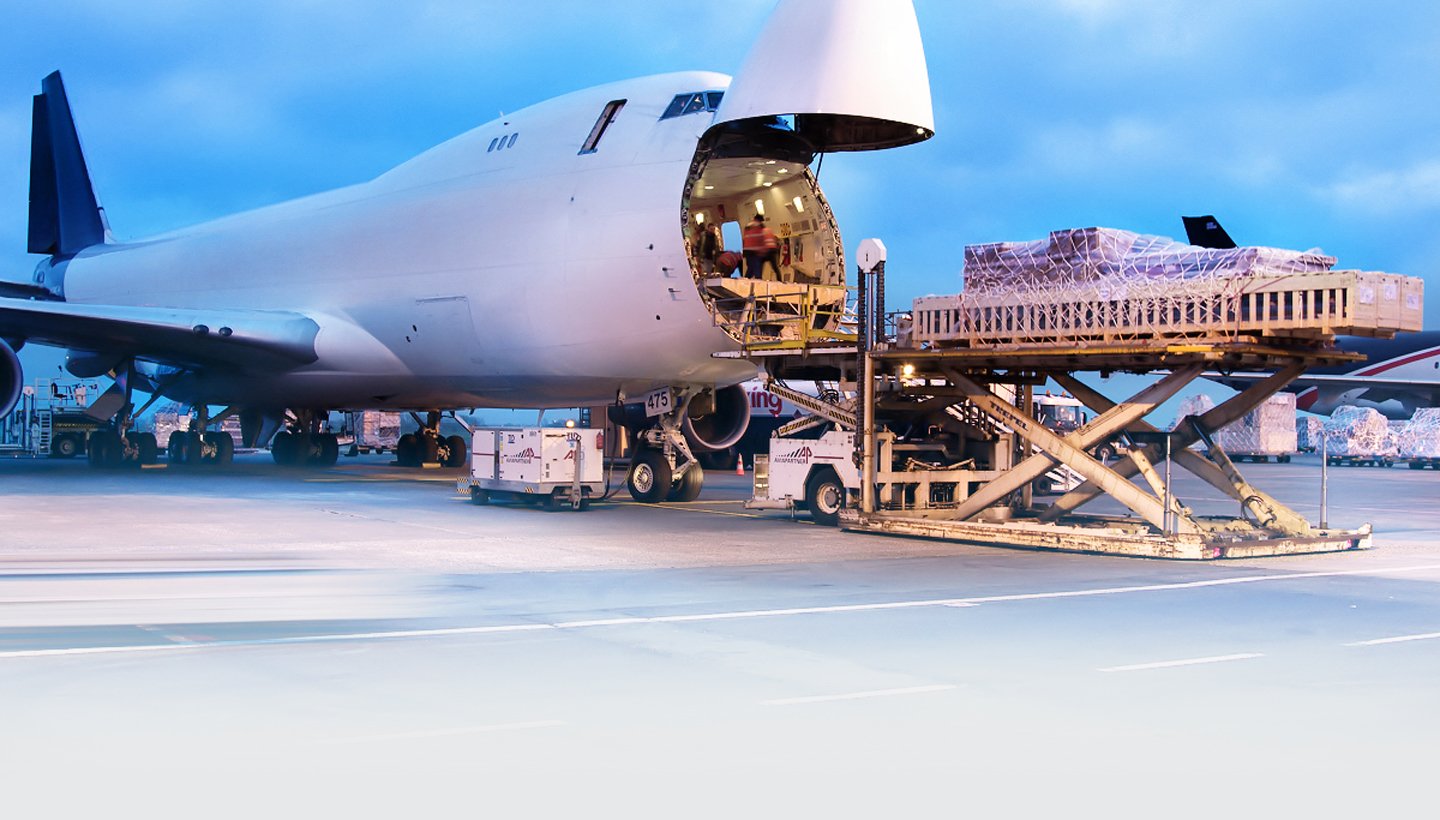
Air freight: when cargo takes flight, every detail counts
TUESDAY, 1 JULY 2025
Passenger or cargo flights? Dimensions, safety rules and planning: how to manage every detail of an import-export air shipment.
Air freight is a crucial logistics solution for import-export companies, delivering speed and reliability in moving goods on a global scale. Yet the success of these operations depends on carefully managing every detail: from choosing the type of flight to complying with safety regulations, right down to the accuracy of the information provided. This article explores the dynamics of air freight, focusing on the differences between passenger and cargo flights, the importance of cargo dimensions and the practices for effective planning.
Passenger or cargo flights: which to choose?
Air shipments stand out for their speed, but the choice between passenger and cargo flights is fundamental. Passenger flights, operated by commercial aircraft such as the Airbus A320 or the Boeing 737, carry goods in the hold alongside luggage, offering an economical option for standard-sized loads. However, capacity is limited, with a maximum height of about 160 cm, making this solution unsuitable for bulky goods. Cargo flights, carried out by dedicated aircraft such as the Boeing 747 Freighter, are designed for heavy and oversized loads, with dimensions that can reach 317 × 241 × 297 cm on some routes. This greater capacity comes with higher costs and reduced availability, since not all routes offer cargo flights.
The impact of cargo dimensions
The dimensions of the goods, in particular their height, determine which type of flight to use. For packages exceeding 160 cm, cargo flights are the only viable option, with implications for costs, destinations and timing. Providing precise dimensions during the quotation stage is essential to avoid surprises, such as the load being refused or additional costs.
Safety regulations: a fundamental pillar
Safety is at the heart of air freight, with strict regulations to protect flights, cargo and passengers. On passenger flights, every package undergoes a full screening to detect explosives and threats. Cargo flights may require specific measures for bulky loads, such as adding 30×30 cm windows to the packaging to allow inspections with dogs as an alternative to X-rays. These technical requirements, if not met, can cause costly delays: clear communication with freight forwarders is crucial to ensure compliance.
Strategies for effective planning
Strategic planning is essential to optimise air shipments, balancing speed, cost and compliance. Some key practices:
- Accuracy of information: communicate exact dimensions and final destination to obtain accurate quotes and choose the appropriate flight.
- Working with experts: rely on qualified freight forwarders to navigate complex regulations and identify the most suitable service.
- Weighing priorities: decide whether to favour an economical passenger flight or a dedicated cargo flight based on specific needs.
Working with experienced logistics partners makes it possible to anticipate safety requirements and check the availability of cargo flights for less-served destinations. Planning ahead also allows alternatives to be considered, such as sea freight, for less urgent loads, optimising the budget.
With La Merce, organising an air shipment means choosing between passenger and cargo flights knowing what each implies for dimensions, dangerous goods and delivery times: that choice is made before packing, not at the acceptance desk.
Read related articles
Congestion at Chinese ports: ten-day waits before Golden Week

Ten-T corridor delays Italy: Confetra's warning on Brenner and Terzo Valico

Panama Canal draft restrictions: Neopanamax cut postponed

Shanghai-Genoa container rates down 10%: what changes for those importing from China

Demurrage and detention charges disputed: Samsung seeks $186 million from CMA CGM at the FMC

Back to Suez: transits up 36% in August, but the route is only halfway there
China-Europe air cargo: the decline stops, what changes for importers

Goodbye to the €150 exemption: the EU parcel duty rewrites the rules of e-commerce imports
MSC is about to buy up ports around the world for 23 billion dollars

Incoterms: the basics of international trade

Italian hyper-depreciation: confirmation due 60 days after approval

China producer prices are rising: what changes for buyers

European preference in public procurement: bids below 50% can be rejected

Lithium batteries in containers: thousands travel undeclared

WTO barometer: world trade is growing, but containers fall below trend

Fashion imports from China down 8.1%: what the figure says about suppliers

SVHC substances and importer obligations: the list rises to 253 entries

Hyper-amortisation and foreign machinery: the Made in EU rule is dropped

Chinese exports to Europe: just +6.6% while the rest of the world races ahead

Steel imports: "melt and pour" traceability starts on 1 October

Beyond the electric car: China's new export wave of robots, AI and medicines

Steel: EU 50% tariff and new origin rules — what changes for importers
Customs checks on electronics imports: how to avoid penalties and optimise compliance

The Bialetti Moka changes hands: one of Italy's most iconic objects becomes Chinese

Import-export of jewellery and precious metals: what Italian law really says

How much does China really export? Figures and opportunities of the trade giant

OEM vs ODM: two key acronyms for creating a product under your own brand

The 5 questions we always ask our suppliers