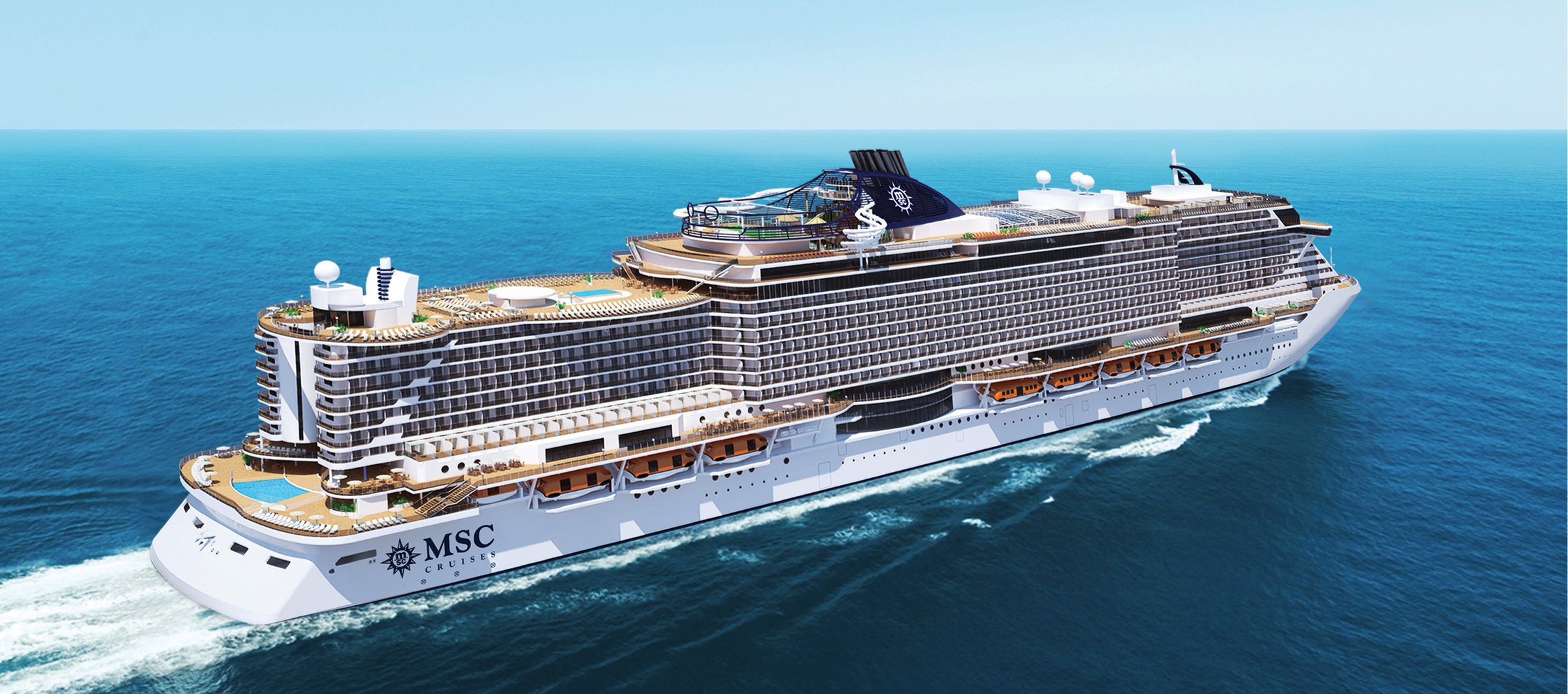
MSC is about to buy up ports around the world for 23 billion dollars
SATURDAY, 5 APRIL 2025
The Aponte family (MSC) is close to acquiring 43 ports from CK Hutchison for 22.8 billion dollars: MSC could become the world's leading port operator.
The Aponte family, at the helm of MSC (Mediterranean Shipping Company), one of the leading global players in maritime transport, is close to finalising one of the most significant acquisitions in the logistics sector: the purchase of 43 ports from CK Hutchison, the holding of Hong Kong magnate Li Ka-shing, for a value of 22.8 billion dollars. Initially announced in March 2025 as an initiative of the BlackRock-TiL consortium, the operation has faced geopolitical challenges, particularly from China, but it could consolidate MSC as the world leader in port management.
The acquisition involves 43 ports across 23 countries. CK Hutchison, one of the largest container terminal operators in the world, has confirmed that MSC is the lead investor, with TiL (Terminal Investment Limited), MSC's port division, leading the operation. Under the terms of the deal, TiL will become the sole owner of 41 of the 43 ports, including strategic terminals in Europe (Rotterdam, Felixstowe), Asia (Port Klang, Laem Chabang) and Latin America (Lázaro Cárdenas).
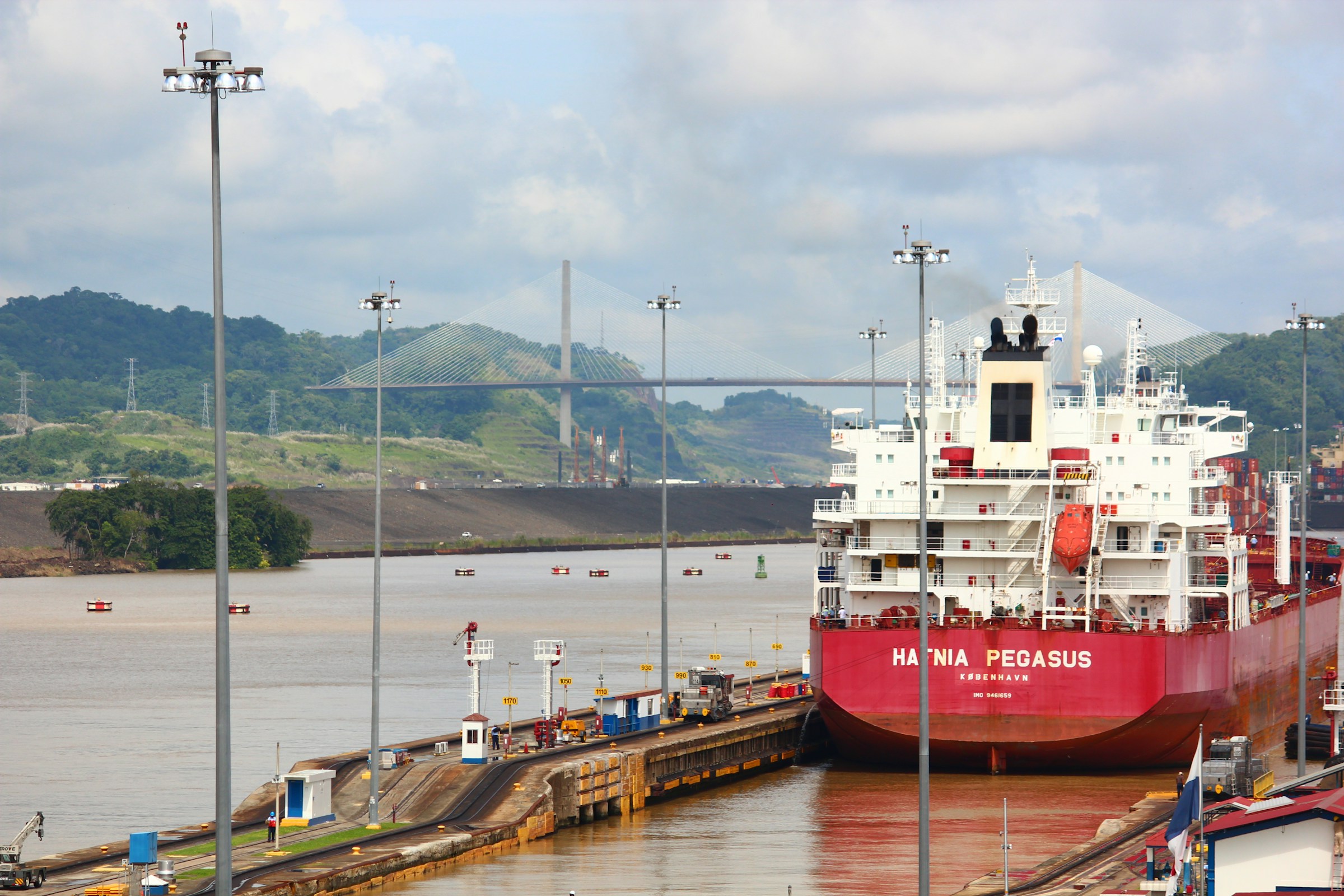
For the two terminals of Balboa and Cristóbal, at the Pacific and Atlantic entrances to the Panama Canal, ownership will be shared: BlackRock, through Global Infrastructure Partners (GIP), will hold 51%, while TiL will hold 49%. This reflects the geopolitical sensitivity of the region, with the Panama Canal handling around 3% of global maritime trade.
The operation has met with significant resistance, above all from China, which has expressed concern over the transfer of the Panamanian ports to a consortium led by American interests. The Chinese government has launched an antitrust review and put pressure on CK Hutchison. The Panama Canal is seen as a strategic asset, and CK Hutchison's presence has been criticised in the United States over possible national security risks. The buyers have sought to reassure China by committing to keep the ports' management rules unchanged, guaranteeing non-discriminatory access to all shipping companies.
Gianluigi Aponte, founder and chairman of MSC, plays a crucial role. Based in Switzerland, MSC is seen as sufficiently aligned with American interests, yet maintains strong ties with China, where it sources its ships. Its network of relationships and its diplomatic experience are considered key factors for navigating geopolitical tensions. The structure of the consortium, with BlackRock and GIP, reflects a strategy to balance geopolitical perceptions.
If completed, the transaction would add 43 strategic facilities to the 70 container terminals already managed by TiL in 31 countries, potentially making MSC the largest container terminal operator in the world, with an estimated combined volume of 78.3 million TEU, surpassing PSA International (62.6 million in 2023). However, integration could require the divestment of some assets to satisfy the antitrust authorities.
The acquisition represents a historic moment for global maritime logistics. Despite the geopolitical challenges, Aponte's role and the buyers' commitments to guarantee fair access to the ports could ease completion of the deal. Once finalised, it would strengthen MSC's leadership and mark a key moment in the global competition for control of maritime infrastructure.
With La Merce, moving goods in a market where a single group may control 43 ports means not depending on one terminal or one carrier: routing alternatives are built before concentration turns into rates.
Sources
Independent checks on the figures cited, verified in-house.
Read related articles
Congestion at Chinese ports: ten-day waits before Golden Week

Ten-T corridor delays Italy: Confetra's warning on Brenner and Terzo Valico
Panama Canal draft restrictions: Neopanamax cut postponed
Shanghai-Genoa container rates down 10%: what changes for those importing from China

Demurrage and detention charges disputed: Samsung seeks $186 million from CMA CGM at the FMC

Back to Suez: transits up 36% in August, but the route is only halfway there
China-Europe air cargo: the decline stops, what changes for importers
Goodbye to the €150 exemption: the EU parcel duty rewrites the rules of e-commerce imports
Air freight: when cargo takes flight, every detail counts
Incoterms: the basics of international trade
Italian hyper-depreciation: confirmation due 60 days after approval
China producer prices are rising: what changes for buyers
European preference in public procurement: bids below 50% can be rejected

Lithium batteries in containers: thousands travel undeclared
WTO barometer: world trade is growing, but containers fall below trend
Fashion imports from China down 8.1%: what the figure says about suppliers

SVHC substances and importer obligations: the list rises to 253 entries
Hyper-amortisation and foreign machinery: the Made in EU rule is dropped
Chinese exports to Europe: just +6.6% while the rest of the world races ahead
Steel imports: "melt and pour" traceability starts on 1 October
Beyond the electric car: China's new export wave of robots, AI and medicines
Steel: EU 50% tariff and new origin rules — what changes for importers
Customs checks on electronics imports: how to avoid penalties and optimise compliance
The Bialetti Moka changes hands: one of Italy's most iconic objects becomes Chinese
Import-export of jewellery and precious metals: what Italian law really says
How much does China really export? Figures and opportunities of the trade giant
OEM vs ODM: two key acronyms for creating a product under your own brand

The 5 questions we always ask our suppliers