Authorised economic operator (AEO): what it is, requirements, benefits and how to apply
MONDAY, 16 NOVEMBER 2026
AEO status is valid across the EU: the three types AEOC, AEOS and AEOF, the five criteria of Article 39, fewer controls, mutual recognition with China and the 120 days customs have to decide.
Authorised economic operator: it is the status that EU customs grant to reliable businesses, and it brings fewer controls, priority when checks happen and easier access to customs simplifications. You apply once, it is valid in every EU country and customs must decide within 120 days of accepting the application, unless the deadline is extended.
Anyone importing regularly from China or Asia meets the acronym AEO at three points: when a supplier or forwarder says it holds the status, when customs asks for a guarantee for a simplified procedure, and when a customer asks for proof that the supply chain is secure. This guide explains what the status certifies, which types exist, which requirements apply, what the benefits really are and how to apply, with a focus on Italy.
What an authorised economic operator is
AEO stands for Authorised Economic Operator. The concept comes from the World Customs Organization, which adopted the SAFE Framework of Standards on international trade security in 2005. In the European Union the status is governed by Articles 38 and 39 of the Union Customs Code and by the regulations implementing it.
It is not a private certification like an ISO standard: it is issued by the customs authority, not by a certification body, and it is an administrative authorisation. It is voluntary, but some customs simplifications require it. Any business established in the EU that holds an EORI number and takes part in an international supply chain can apply: importers, exporters, manufacturers, freight forwarders, customs representatives, warehouses.
A business can hold only one AEO status and one EORI number in the EU. The status granted by one Member State is recognised by the customs authorities of all the others. In Italy the operating rules are set out in circular no. 9 of 5 April 2024 of the Customs and Monopolies Agency (ADM), which replaced circular 36/D of 2007.
The three types: AEOC, AEOS and AEOF
The status comes in three forms, depending on the criteria to meet and the benefits obtained:
- AEOC, customs simplifications: covers the correct application of customs and tax rules;
- AEOS, security and safety: covers the physical protection of the supply chain, meaning goods, premises, access and partners;
- AEOF, or AEOC plus AEOS: a single authorisation combining the two.
According to European Commission data, in December 2024 there were 18,437 valid authorisations in the EU, split almost evenly between AEOC (8,868, or 48%) and AEOF (8,816, or 48%), while AEOS alone accounted for 753, or 4%. In 2008, the first year of the programme, there were 512. For importers of consumer goods AEOC is usually the starting point; the security part becomes useful when mutual recognition with non-EU countries matters, as explained below.
AEO requirements: the five criteria
Article 39 of the Customs Code sets five criteria. The first three apply to everyone, the fourth only to AEOC and the fifth only to AEOS:
- compliance with customs and tax rules and no serious criminal offences related to the economic activity;
- an accounting and record-keeping system that allows customs to carry out adequate controls on operations and the flow of goods;
- proven financial solvency;
- practical competence or professional qualifications in customs matters (AEOC only);
- appropriate security standards, such as access control, physical integrity of premises and checks on partners (AEOS only).
The competence criterion can be met in three alternative ways, described in the implementing regulation: at least three years of proven practical experience in customs matters, a quality standard concerning customs matters, or training in customs legislation successfully completed with customs, a recognised educational institution or a recognised professional association. On the first criterion, the 2024 ADM circular also lists the cases in which a final conviction does not prevent the requirement from being considered met.
The practical benefits for importers
The benefits set by the legislation are few and precise:
- easier access to simplified customs procedures (AEOC);
- fewer physical and document-based controls, on customs rules (AEOC) and on security (AEOS);
- advance notice when the shipment is selected for a control;
- priority treatment if the goods are checked;
- the option to ask for the control to take place at a specific location.
Some simplifications require AEO status as a condition, for example a comprehensive guarantee with a reduced amount for customs debts already incurred, centralised clearance and self-assessment. For other authorisations, such as special procedures and temporary storage facilities, the checks already passed for AEO cover part of the requirements.
There are also indirect benefits, which the Commission lists but which depend on how the business is organised: fewer delays, better planning, smoother relations with customs and recognition as a reliable partner by customers and suppliers. The figures do not show that every AEO saves time on every shipment, but they suggest that for frequent importers the advantage grows with the number of declarations.
Mutual recognition: China, the United States and other countries
The EU has agreements for the mutual recognition of AEO status with nine countries: Canada, China, Japan, Moldova, Norway, Switzerland, the United States, Türkiye and the United Kingdom. Only holders of an authorisation with the security component, AEOS or AEOF, benefit, provided they have consented to their data being shared with the partner country.
The agreement with China has applied since November 2015. On the Chinese side it covers companies holding the highest level of Chinese customs certification (ACE). For a European business exporting to China the mechanism is practical: the Chinese customer enters the European company's EORI number in its customs declaration, in the format AEO<IT...>. For importers into Italy, knowing that Chinese suppliers hold ACE certification is useful when selecting them: in an AEO application, partners that are already AEO in a country with an agreement are considered secure and generally no further assurances are needed about them.
How to apply and how long it takes
You cannot apply in a country of your choice: the application goes to the customs authority of the State where the business keeps its main customs accounts and carries out at least part of the activities covered. For an Italian business that is the Customs and Monopolies Agency. It is filed online through the EU Trader Portal, with the EORI number and the access roles enabled; a representative with a delegation can also file it.
The application comes with the self-assessment questionnaire, which describes organisation, accounts, customs procedures, financial soundness and, for AEOS, security measures. The time limits are:
- acceptance of the application: generally within 30 days of receipt;
- decision: within 120 calendar days of acceptance;
- extension: up to a further 60 days if customs cannot complete the examination, plus possible suspensions if it asks for information or if criminal proceedings are pending.
Meanwhile customs examines the documents and the procedures declared in the questionnaire. After it is granted, the status can be suspended or revoked if the criteria are no longer met, and from then on the AEO logo can no longer be used either.
Practical example: timing for an importer of promotional items
Hypothetical example. An Italian business imports customised promotional items from China, with 60 customs declarations a year, and chooses AEOC. Its purchasing manager has five years of documented experience with customs formalities, so the competence criterion is covered by the three-year minimum.
It prepares the self-assessment questionnaire in about two months, gathering written procedures, financial statements and the record of operations. Once filed, customs accepts the application within 30 days and then has 120 days to decide. If the 60-day extension is needed, the path from filing to decision reaches about 210 days (30 + 120 + 60), or seven months, not counting any requests for additional information. Including preparation, it is worth planning on nine months or a little more: anyone considering AEO for a simplified procedure to use next season needs to start that far ahead.
Summary: the steps to obtain the status
- check that you have an active EORI number and take part in an international supply chain;
- choose the type: AEOC, AEOS or AEOF, based on the simplifications and mutual recognition you need;
- check the five criteria, starting with compliance, accounts and solvency;
- complete the self-assessment questionnaire and file the application through the EU portal;
- prepare for the customs examination and keep meeting the requirements after the grant.
With La Merce, a business preparing its AEO application already has its Chinese suppliers' data in order, including any ACE certification, together with the import records customs asks to see during the 120-day examination.
Sources
Independent checks on the figures cited, verified in-house.
- Commissione europea — Authorised Economic Operator (AEO) programme
- Commissione europea — Mutual recognition of AEOs
- Camera di commercio di Lucca — Il Codice doganale dell'Unione e lo status di AEO
- BDO Italia — TAXnews Dogane e Accise, maggio 2024 (circolare ADM n. 9/2024)
- Agencia Tributaria — Orientaciones OEA: adopción de la decisión
- GOV.UK — Customs authorisations: authorisation considerations and processes
- Douane française — Accord de reconnaissance mutuelle UE - Chine
Read related articles

Italy packaging EPR: CONAI rules, 2026 rates and deadlines for importers

Steel imports from Turkey: 5 million euros of rolled steel seized in Naples
Customs fraud on Chinese wind towers: 500,000 euros recovered
Customs value of imported goods: how to calculate it, what to add and what to leave out

Polyether polyols from China: imports registered, retroactive duties possible
China anti dumping EU: Beijing probes European para-aramid
CBAM regulation: how it works, the 50 tonne threshold, certificates and deadlines for importers
EU Indonesia trade agreement: GSP preferences end on 1 January 2027

T1 transit document: what it is, how EU customs transit works and T1 vs T2
Customs warehouse: what it is, how it works, types and the difference with a VAT warehouse
Italy 2 euro tax on small parcels: the 2027 budget scraps it

Commercial invoice for customs: what it must contain and how it differs from a proforma
Anti dumping duties EU: what they are, how they work and how to calculate them

EU tariffs on Chinese goods: safeguards now extend to furniture

Italy small parcel tax: postponed again to 1 January 2027
Import VAT EU: taxable base, deferral, deduction and VAT ceiling in Italy
Dual-use export controls: China requires licences for tunnel boring machines and drone parts from 18 November
Preferential and non preferential certificate of origin: differences, EUR.1 and chamber of commerce

TARIC code lookup: the 10 digits, the EU database and Binding Tariff Information
Customs clearance in Italy for goods from China: how it works, the documents and the customs entry

EORI number Italy: what it is, how to get one and how to check it before your first import

Import duty from China to EU: how to calculate it, with a worked example
EU China trade deal: fewer hybrids and lower tariffs on €4 billion
World trade forecast: WTO raises 2026 goods growth to 3.9%

European 301 tool against China: what we know and what we don't
Digital DeCA in Spain from 5 October: what changes for road freight
Leather excluded from the EUDR: what changes for importers from 7 October
EU customs reform: what changes now and what in 2028
The Italian small parcels tax is postponed to 30 November
German import VAT reform: less cash tied up at the port
Digital customs in Norway: with Digitoll, who reports what changes
European preference in public procurement: bids below 50% can be rejected
Steel imports: "melt and pour" traceability starts on 1 October
Steel: EU 50% tariff and new origin rules — what changes for importers
Customs checks on electronics imports: how to avoid penalties and optimise compliance

Import-export of jewellery and precious metals: what Italian law really says

Electronic consignment note: Italian road checks accept digital data from 9 July 2027
Import price index: Italy up 9.6% in September, driven by energy
China industrial output: +4.8% in October as domestic demand slows
Yuan exchange rate: China raises its FX reserve ratio to 6% to slow the rally
Robot density: Italy at 246 per 10,000 employees, Germany at 469
NNN agreement China: what it covers and how to protect your designs with suppliers
Road freight rates in Italy 2026: +6.4% on contracts, rising even without diesel
JD.com Ceconomy acquisition completed: 59.8% stake for 1,335 million euros
Hapag-Lloyd: average freight rate at 1,808 dollars per TEU, up 28% in Q3

AQL inspection: how to read the table, inspection levels and acceptance numbers
Italy industrial production: up 1.2% in September, consumer goods down 3%

Marine cargo insurance: clauses A, B and C and carrier liability limits
Italy road haulage decree: from 24 October the diesel share goes on invoices and contracts
Chinese exports up 35.2% in October, surplus above 1 trillion dollars
Food contact materials regulation: rules, declaration of compliance and symbol

Container shipping demand in 2027: growth of 2.5-4%, fleet up 6.8%
China factory gate prices up 5.7% in October, consumer goods flat

Container transhipment: ETS-linked changes in 41 of 86 services, study says
GPSR regulation: importer obligations, the responsible person and penalties in Italy

Air cargo market in October: demand up 6%, the shift back to ocean from 2027
Container shipping delays: Asia-Mediterranean services 71% more unstable
Deindustrialization in Europe: Confindustria, BDI and Medef call for safeguards beyond steel
REACH regulation: what it is, importer obligations, restrictions and penalties
Ocean freight rates 2026: Maersk at 3,287 dollars per container, up 46%
China steel production down 2.9% in nine months, but demand falls faster

Italy trade with China: imports down 12.3% in September
Vietnam manufacturing PMI at 52.3 in October, but export orders fall

Italy labeling requirements: 337,000 Halloween items seized in Brescia

South Korea exports in October: 115 billion dollars, chips up 259%
Italy air cargo in September: Malpensa down 7.9%
China factory activity at 49.3 in October: export orders fall

Packing list meaning: contents, how to fill it in and an example
Container ship orderbook at 46.5% of the fleet, the highest since 2009

Letter of credit meaning: how it works, types, costs and documents

Canton Fair phase 3: toys, fashion and stationery from 31 October
Parcels from China: e-commerce air volumes to the EU halved in September

Bill of lading meaning: how it works, types and the electronic B/L
China trade secrets law: Beijing drafts six measures against foreign firms

China port throughput: containers up 4.5% in nine months, Shanghai sets a September record
MOQ meaning: what minimum order quantity is and how to negotiate it
Canton Fair phase 2 opens: home goods and gifts, 23 to 27 October
LCL vs FCL from China: thresholds, transit times and risks
China five-year plan: 22 tasks for core components and materials by 2030
Suez Canal shipping route: 70% of Asia-Mediterranean capacity is back

Private label meaning: how it works, advantages and risks for importers
China electronics manufacturing up 15.8% in nine months, profits doubled
Counterfeit goods seized in Italy: over 5 million items in 2025, toys top the list

China to Europe shipping time: sea, rail and air door to door to Italy
Supplier payment terms in Italy: only 42.3% paid on time, and 30.5% rely on one customer
Port of Trieste: containers up 22.3% in the third quarter, but trains down 14%

China GDP growth 2026: 4.5% in the third quarter, consumption stuck at 1.1%
Chinese battery storage: output up 110% to over 420 GWh in six months

Port of Rotterdam container throughput: full imports up 8.9%, transhipment down 20%
EU safeguard measures: Chinese chemicals and machinery targeted after the summit

Ocean freight rates rebound: Shanghai-Genoa up 7% after 13 weeks of decline
China export controls: 14 technologies to be banned in AI, biotech and solar

EU ETS shipping: carriers buy almost 20% of EU allowances

How to find reliable suppliers in China: five channels and how to spot a real factory

Canton Fair 2026 opens with 32,000 exhibitors, running until 4 November
China rare earth exports: 4,270 tonnes in September, faster EU licences

China trade surplus: exports up 36.3% in September, surplus with the EU at 34.8 billion
China producer prices up 5% in September, the fastest since 2022

Container ship delays: only 4% on time from Asia to Europe in September
China export tax rebate: electric vehicles cut to 9% from 2027, e-cigarettes out
How to get CE marking: the steps and the importer's obligations
Critical raw materials strategic projects: the EU picks 46, five in Italy
Container cost from China to Europe: every cost item and a worked example

Trademark registration grant: Italy's Marchi+ 2026 refunds up to 9,000 euros per trademark abroad

How to import from China to Europe: a step-by-step guide for businesses
After Golden Week: what to expect from Chinese factories and shipping
Truck stoppage in Calabria and Sicily: deliveries at risk from 9 to 20 October
China's battery plan: parts-per-billion defects by 2030
Sourcing by Italian SMEs: 86% domestic, but non-EU rises to 22%
Air cargo in September: demand +6% and ever shorter contracts
Hyper-depreciation or tax credits: what the UPB says about machinery incentives
China's manufacturing PMI at 50.1: factory costs and prices rise
Asia-Europe container rates: twelve weeks of decline, Shanghai-Genoa at 3,702 dollars

Container connectivity at Italian ports: Genoa, Gioia Tauro and La Spezia decline
Industrial profits in China: +15.7%, but clothing and furniture fall
Extra-EU imports in August: +17.2%, from China +16%

US-China tariffs cut on 30 billion: what changes for buyers in China
Sicily truck stoppage from 16 to 20 October: how to protect deliveries
Transport packaging rules and the PPWR: 40% reusable by 2030
Industrial robots in China: 354,000 installed in 2025, 59% of the world

Pinglu Canal: 560 kilometres less to reach the sea
Chinese trucks assembled in Europe: the Steyr plant in Austria
Supply chain risk monitoring: only 20% do it continuously
New Maersk container ships: 26 units delivering from 2029
Costume jewellery imported from China: 49,512 items stopped in Genoa
Italian stone exports: value up, volumes down
Diesel price at 2026 highs: what reaches your deliveries
Suez transits: the return is mostly on voyages back to Asia
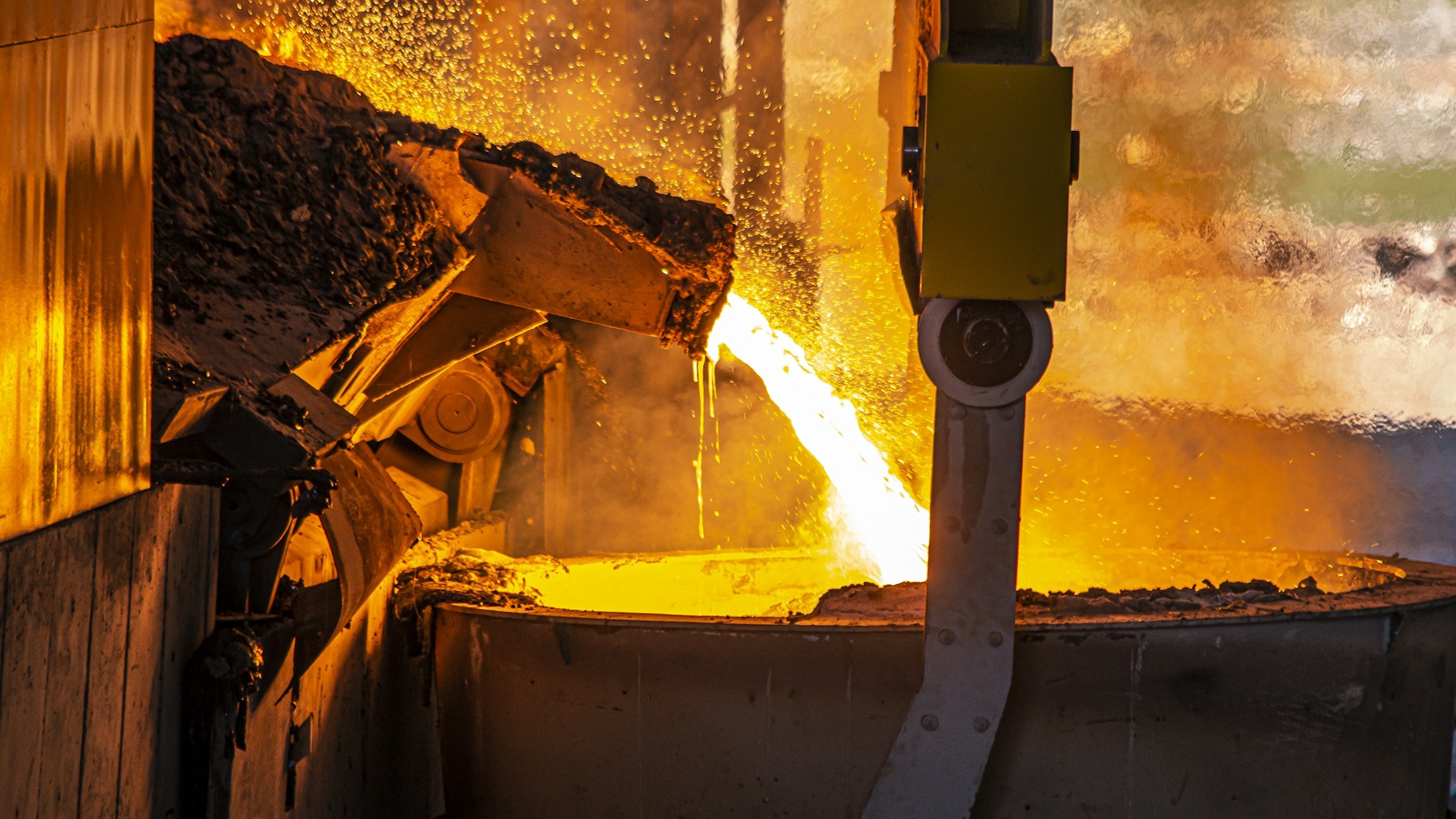
European steel protection and the bill for those who transform it

China's electronics five-year plan: 30 trillion yuan by 2030
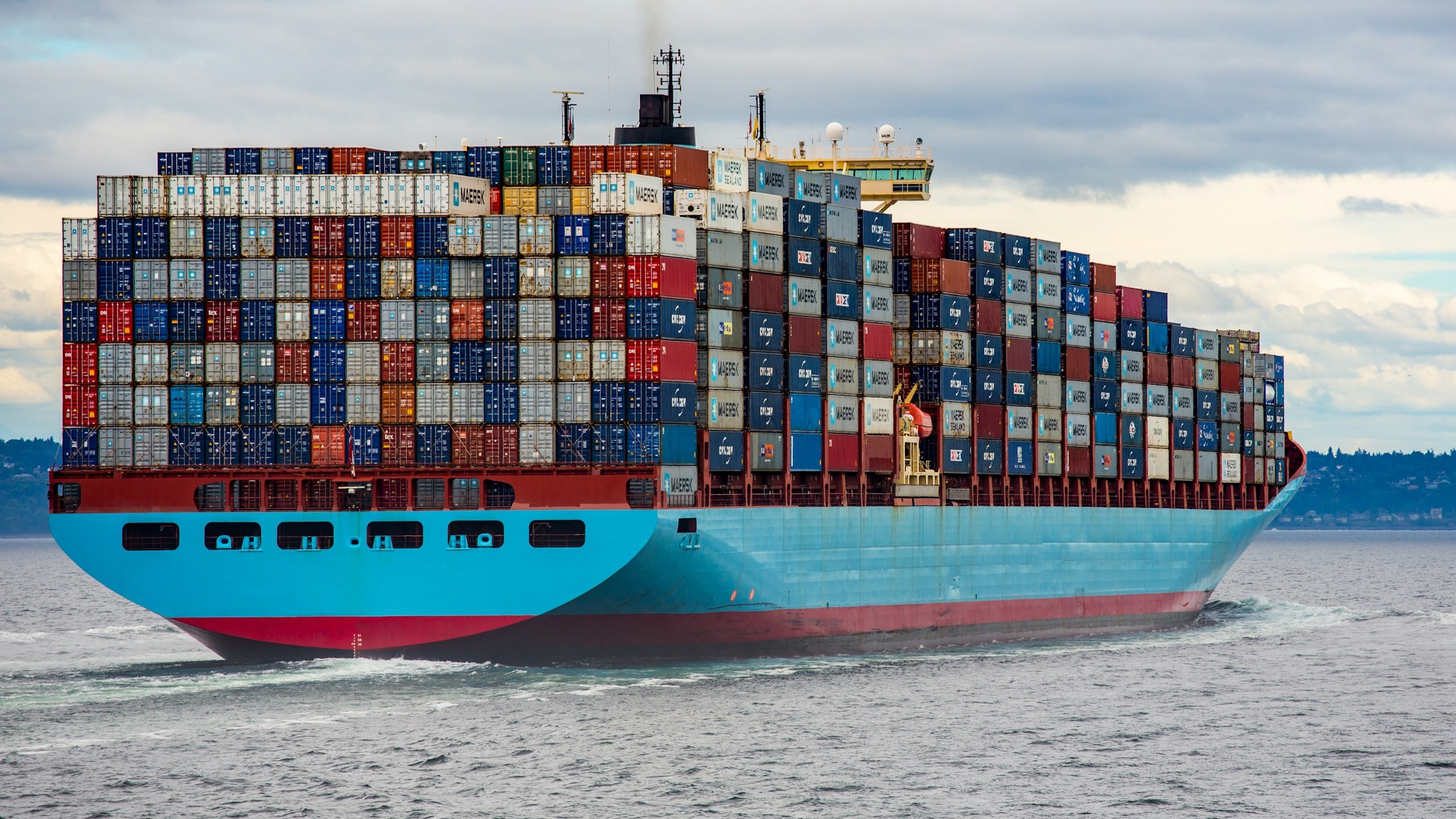
Four Gemini services return to the Suez Canal: what changes for Ligurian ports
Italian exports in the second quarter of 2026: what the +7.9% really says
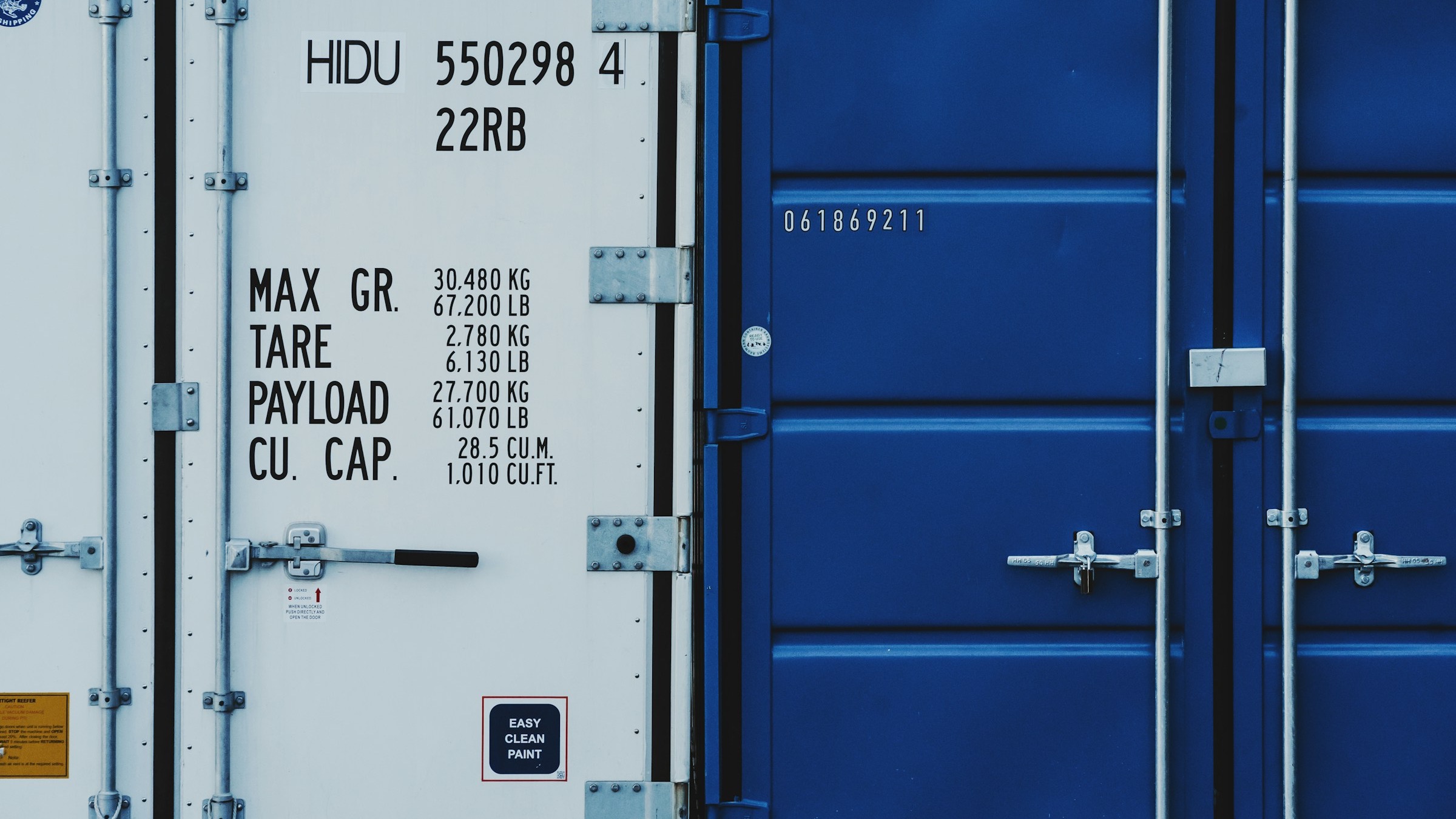
Container inspections: deficiencies in more than one unit in ten
Italian hyper-depreciation: confirmation due 60 days after approval

China producer prices are rising: what changes for buyers

Lithium batteries in containers: thousands travel undeclared
Congestion at Chinese ports: ten-day waits before Golden Week
WTO barometer: world trade is growing, but containers fall below trend
Fashion imports from China down 8.1%: what the figure says about suppliers

SVHC substances and importer obligations: the list rises to 253 entries
Hyper-amortisation and foreign machinery: the Made in EU rule is dropped

Chinese exports to Europe: just +6.6% while the rest of the world races ahead

Ten-T corridor delays Italy: Confetra's warning on Brenner and Terzo Valico

Panama Canal draft restrictions: Neopanamax cut postponed

Shanghai-Genoa container rates down 10%: what changes for those importing from China

Demurrage and detention charges disputed: Samsung seeks $186 million from CMA CGM at the FMC

Back to Suez: transits up 36% in August, but the route is only halfway there
China-Europe air cargo: the decline stops, what changes for importers
Goodbye to the €150 exemption: the EU parcel duty rewrites the rules of e-commerce imports
Beyond the electric car: China's new export wave of robots, AI and medicines
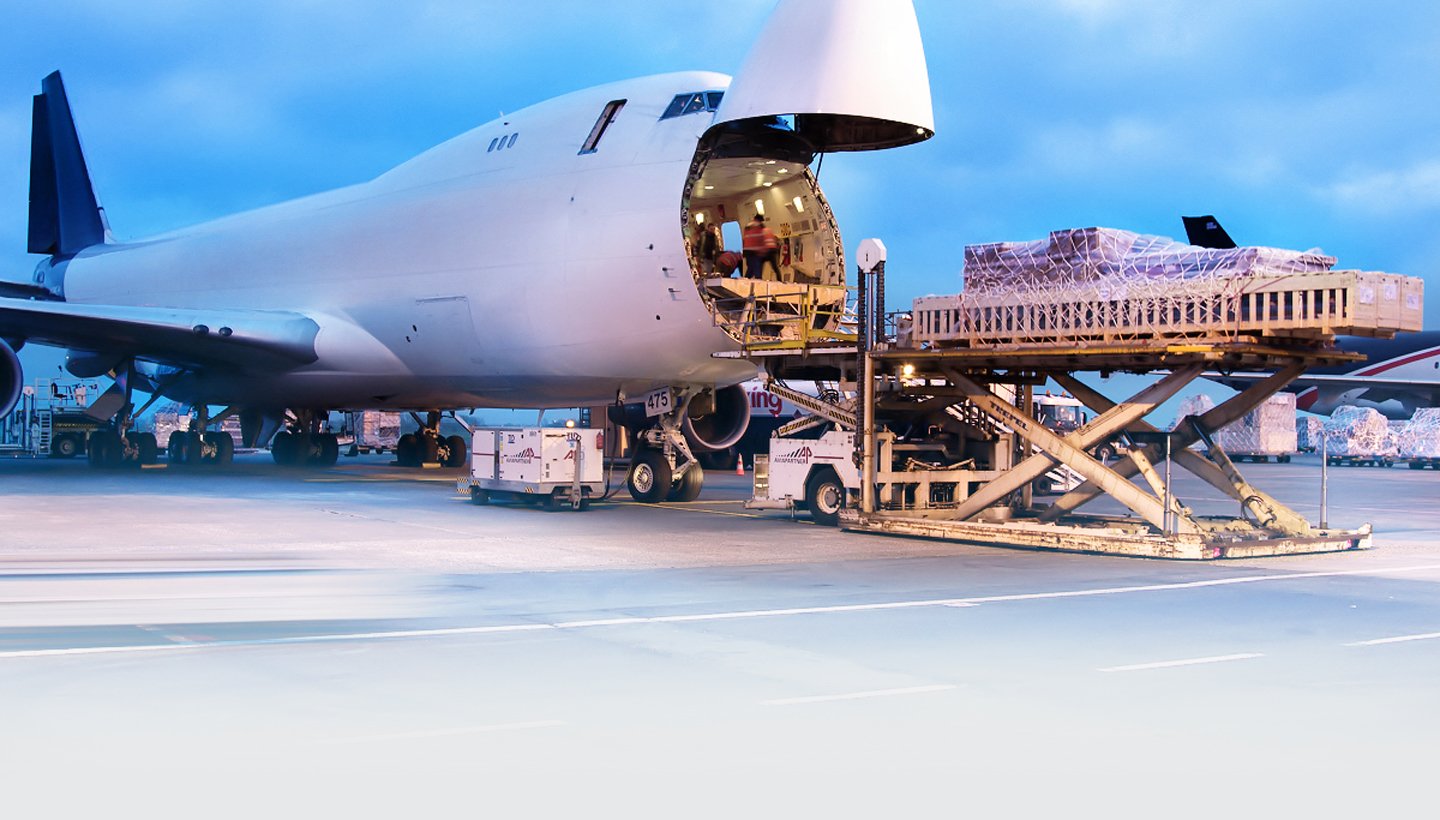
Air freight: when cargo takes flight, every detail counts
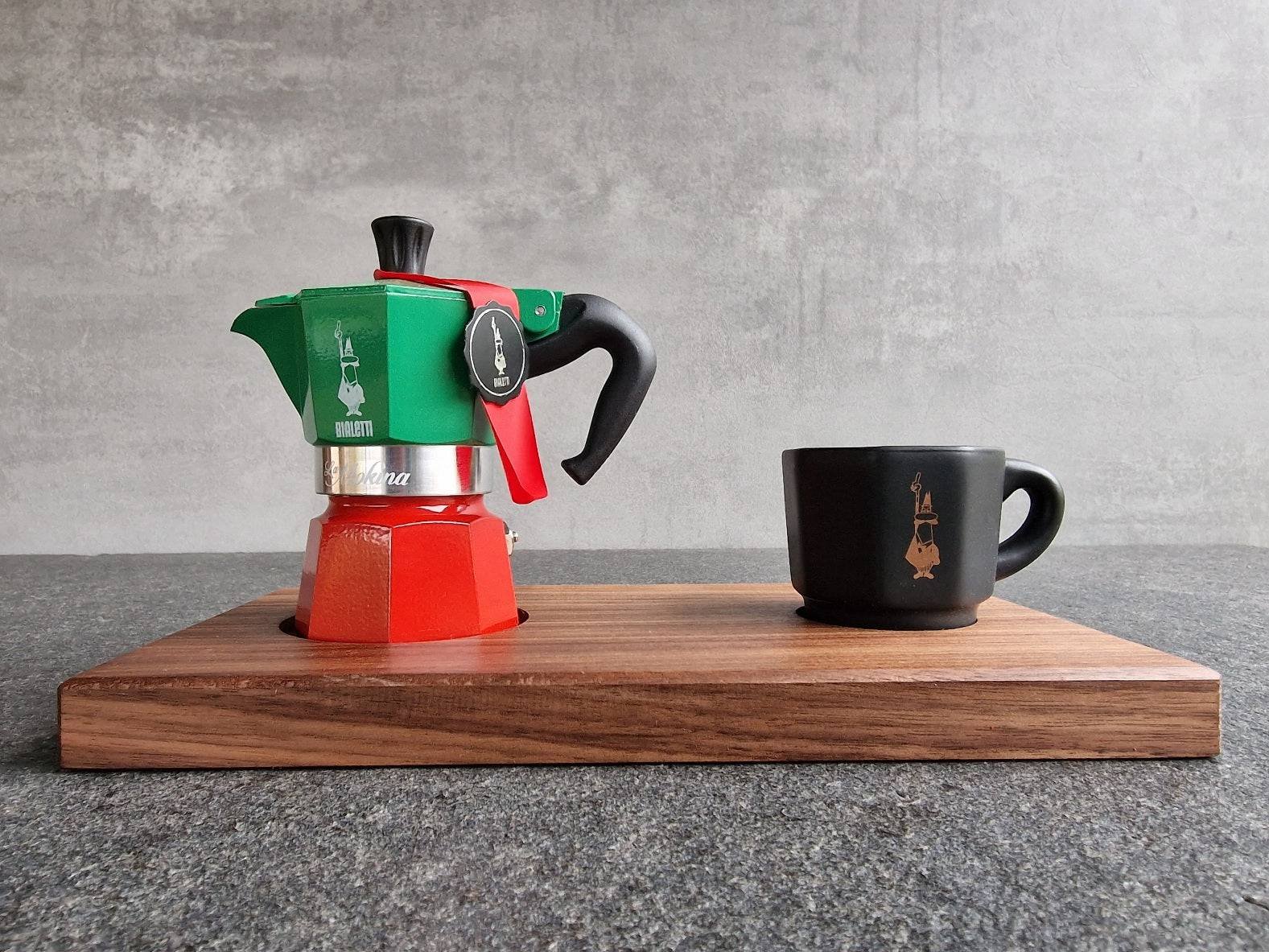
The Bialetti Moka changes hands: one of Italy's most iconic objects becomes Chinese

MSC is about to buy up ports around the world for 23 billion dollars

How much does China really export? Figures and opportunities of the trade giant
OEM vs ODM: two key acronyms for creating a product under your own brand

The 5 questions we always ask our suppliers

Incoterms: the basics of international trade