The 5 questions we always ask our suppliers
SUNDAY, 15 DECEMBER 2024
Before working with a supplier we always ask five questions: MOQ, certifications, factory address, production times and customisation options.
In the complex world of import-export, choosing a reliable supplier is the pillar on which we build smooth operations and solid commercial relationships. That is why we take a rigorous, proactive approach to selecting partners. Before starting any collaboration, we ask five fundamental questions. Seemingly simple, they allow us to protect our clients, avoid surprises and build relationships based on transparency, quality and compliance.
1. What is the minimum order quantity (MOQ)?
Knowing the minimum volume required for an order lets us assess whether we can start with small batches, a crucial aspect for testing a supplier's quality without committing significant resources. A flexible MOQ makes it possible to scale up gradually, test the supplier with smaller orders and have a clear view of the project's economic sustainability.
2. Which compliance certifications do you hold?
We do not compromise on compliance. We always check that the supplier holds the certifications required for the target markets — CE for Europe, FDA for the United States, ISO standards for quality and sustainability. These guarantees avoid customs problems or sales bans, strengthen client trust and reduce the risk of penalties or delays.
3. What is the exact factory address?
Knowing the precise address of the plant allows us to plan logistics accurately, estimating shipping times and costs, and to arrange inspections or audits through third parties such as SGS or Bureau Veritas. It is also essential for customs documentation and for guaranteeing the traceability of the goods.
4. What are the production times?
Knowing how long the goods take to be produced and shipped lets us synchronise the supply chain with our clients' needs and keep our delivery promises. Fast lead times are ideal for promotional campaigns or seasonal products; longer timelines require planning ahead to anticipate delays and manage expectations.
5. Do you offer customisation options?
Flexibility is a quality we always look for. We ask whether the supplier is willing to customise design, packaging, labels or technical specifications. The ability to adapt products to market needs allows us to offer tailor-made solutions, stand out from competitors and respond quickly to local regulations or preferences.
With La Merce these five questions do not stay a questionnaire: MOQ, certifications, factory address and lead times are verified on site, because the written answer and the production reality do not always match.
Read related articles
China producer prices are rising: what changes for buyers
WTO barometer: world trade is growing, but containers fall below trend
Fashion imports from China down 8.1%: what the figure says about suppliers

Chinese exports to Europe: just +6.6% while the rest of the world races ahead
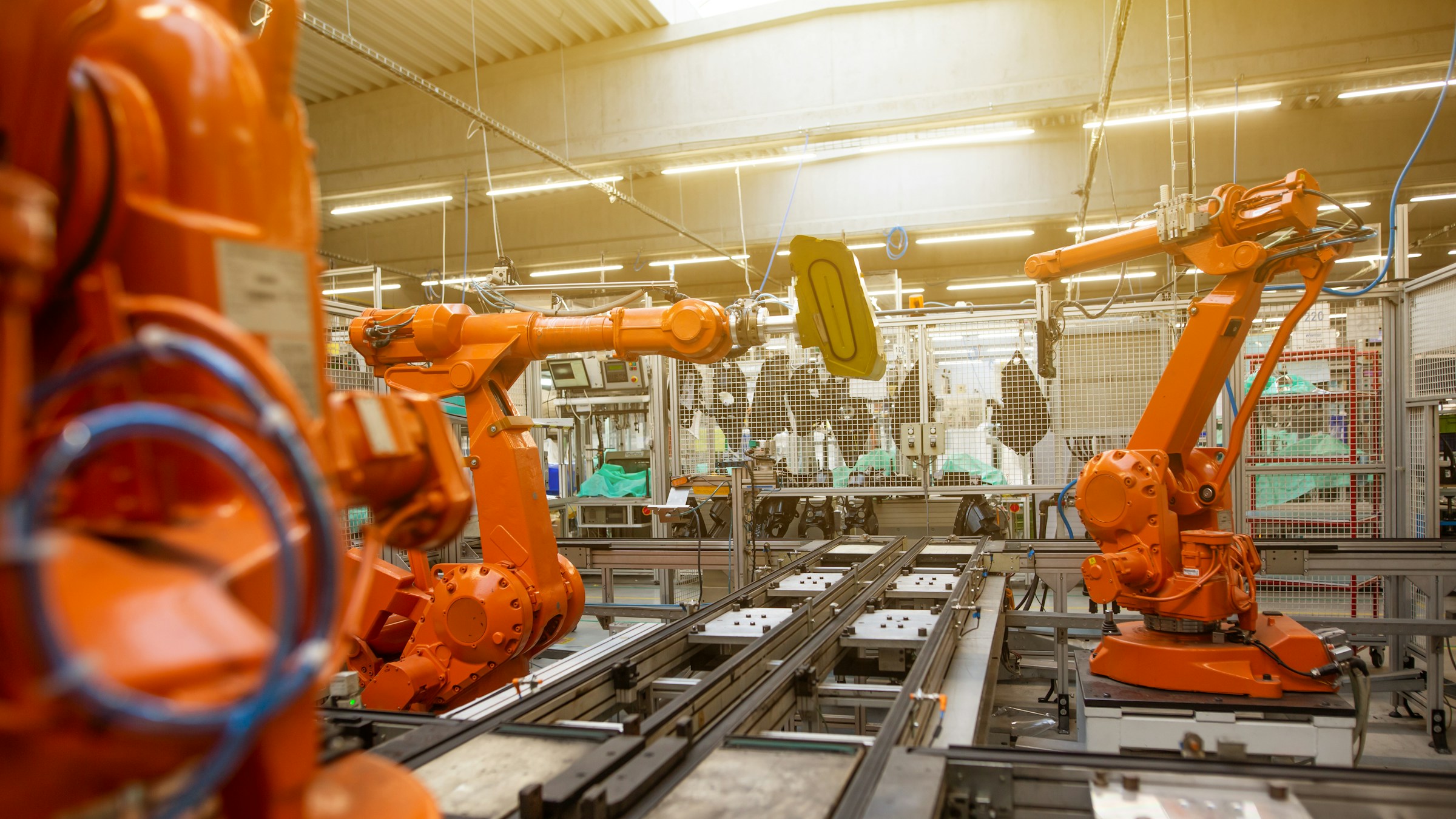
Beyond the electric car: China's new export wave of robots, AI and medicines

How much does China really export? Figures and opportunities of the trade giant
Italian hyper-depreciation: confirmation due 60 days after approval

European preference in public procurement: bids below 50% can be rejected
Lithium batteries in containers: thousands travel undeclared
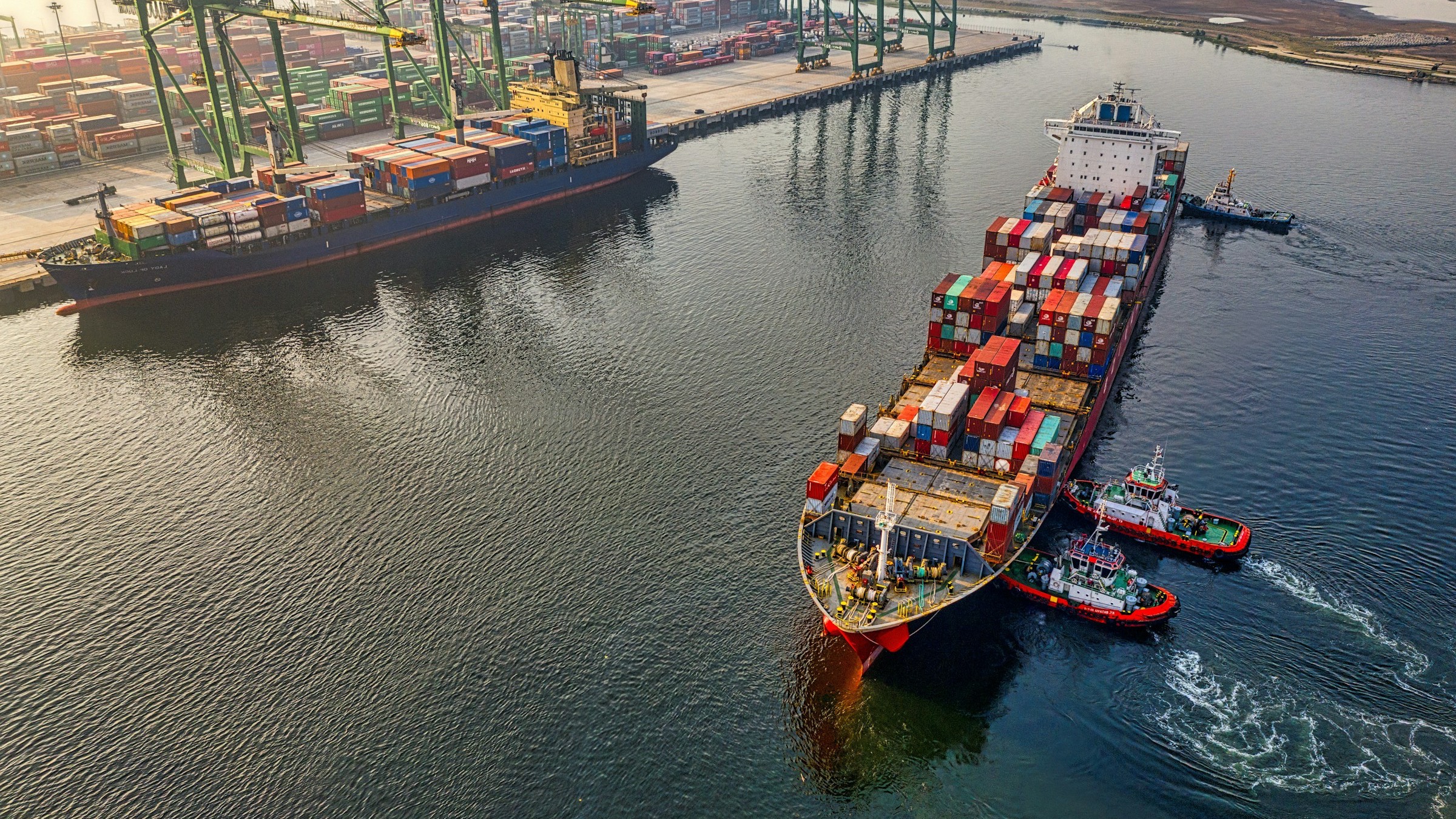
Congestion at Chinese ports: ten-day waits before Golden Week

SVHC substances and importer obligations: the list rises to 253 entries
Hyper-amortisation and foreign machinery: the Made in EU rule is dropped

Ten-T corridor delays Italy: Confetra's warning on Brenner and Terzo Valico

Panama Canal draft restrictions: Neopanamax cut postponed

Shanghai-Genoa container rates down 10%: what changes for those importing from China

Demurrage and detention charges disputed: Samsung seeks $186 million from CMA CGM at the FMC

Back to Suez: transits up 36% in August, but the route is only halfway there
Steel imports: "melt and pour" traceability starts on 1 October
China-Europe air cargo: the decline stops, what changes for importers
Goodbye to the €150 exemption: the EU parcel duty rewrites the rules of e-commerce imports
Steel: EU 50% tariff and new origin rules — what changes for importers
Air freight: when cargo takes flight, every detail counts
Customs checks on electronics imports: how to avoid penalties and optimise compliance
The Bialetti Moka changes hands: one of Italy's most iconic objects becomes Chinese

MSC is about to buy up ports around the world for 23 billion dollars
Import-export of jewellery and precious metals: what Italian law really says
OEM vs ODM: two key acronyms for creating a product under your own brand
Incoterms: the basics of international trade