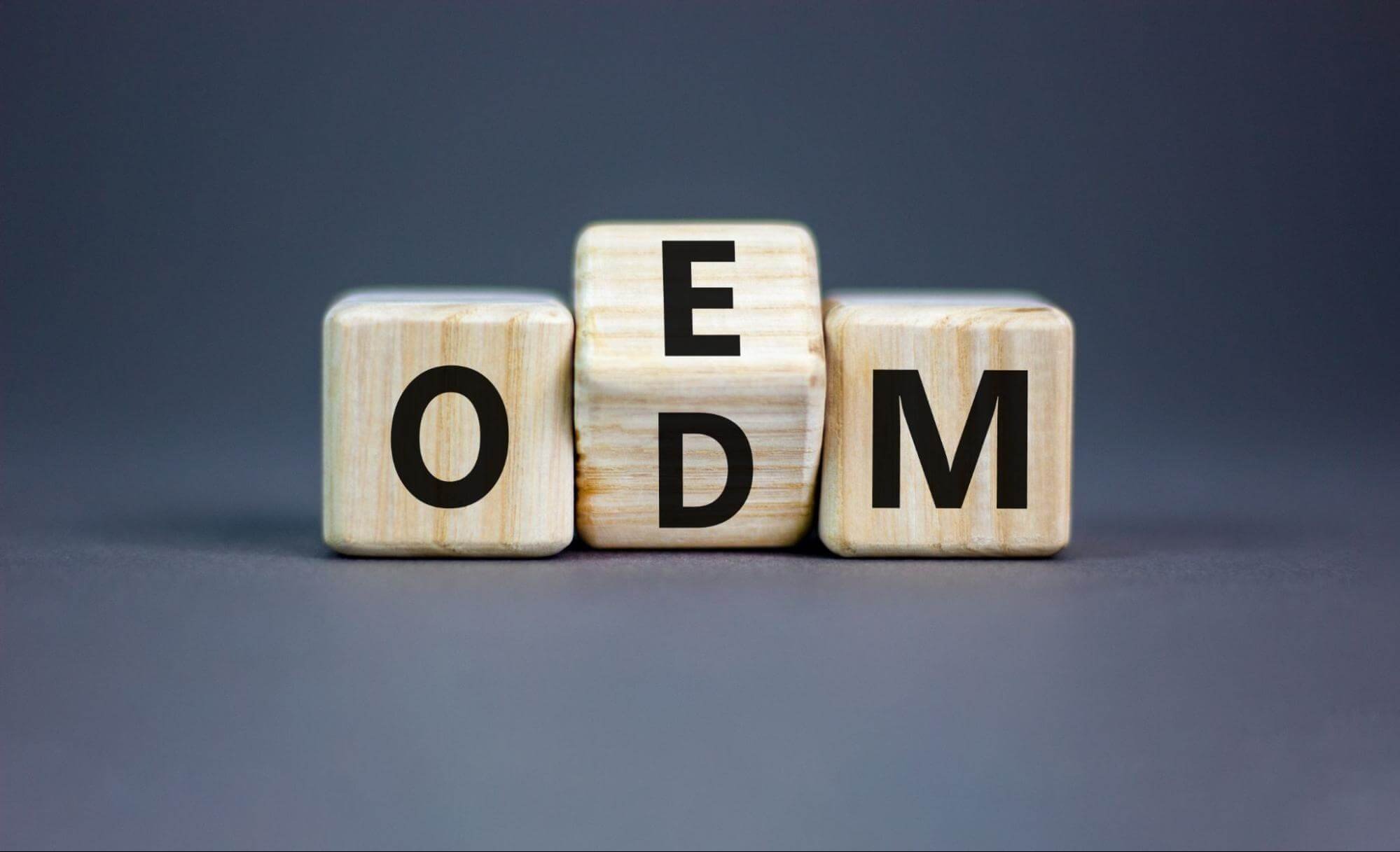
OEM vs ODM: two key acronyms for creating a product under your own brand
SUNDAY, 5 JANUARY 2025
OEM or ODM? In import-export the choice of production model determines costs, times and control over the product. How we choose the right one for each project.
In the dynamic import-export sector, the choice of production model can determine the success or failure of a commercial operation. Two fundamental approaches, often a source of confusion, are OEM (Original Equipment Manufacturer) and ODM (Original Design Manufacturer). Understanding their differences is crucial for anyone working in international trade, because it affects costs, timing, product control and regulatory compliance.
What OEM is
In OEM, it is the client company that provides the idea, the design and the technical specifications of the product. The manufacturer simply makes exactly what has been designed, without modifications. This guarantees total control over the final product and makes it possible to create unique, highly customised items. It is the ideal approach when you want to stand out with an exclusive product, such as medical devices or bespoke industrial components.
What ODM is
In ODM, the manufacturer has already developed a finished product or a design that the client can customise — branding, packaging, some features — and then sell under its own brand. It is particularly suited to entering the market quickly with an already proven product, reducing development costs and time. A practical solution when you want to test a new market without heavy investment in research and development.
The main differences
With OEM you retain total control over the design; with ODM the manufacturer provides a pre-existing design. OEM requires a significant commitment to design and entails higher costs; ODM is cheaper thanks to the ready-made design and speeds up market entry. In the context of import-export, where speed and compliance with local regulations make the difference, this choice is decisive.
Advantages and disadvantages
OEM offers uniqueness, differentiation from competitors and greater protection of intellectual property, but it requires investment in time and resources, longer lead times and a qualified team. ODM allows rapid launches, no investment in R&D and already-tested products, but it offers less influence over the design, products potentially similar to those of other brands and a dependence on the supplier's flexibility.
How we choose
We always assess strategic goals, budget and timing. If the goal is a unique product that reflects the brand's vision, we choose OEM. If we need to test a market quickly or launch a standardised product, we choose ODM. We also consider compliance and logistics: when importing from China, ODM is often more practical, while for markets with strict requirements such as Europe, OEM helps guarantee certifications such as the CE marking. We often start with ODM to test demand, moving to OEM for more customised products once our presence is established.
With La Merce, choosing between OEM and ODM starts from the budget and the degree of control the product requires: we guide the decision and then the production, because the right acronym on paper counts for little without checks in the factory.
Read related articles
Italian hyper-depreciation: confirmation due 60 days after approval
Hyper-amortisation and foreign machinery: the Made in EU rule is dropped
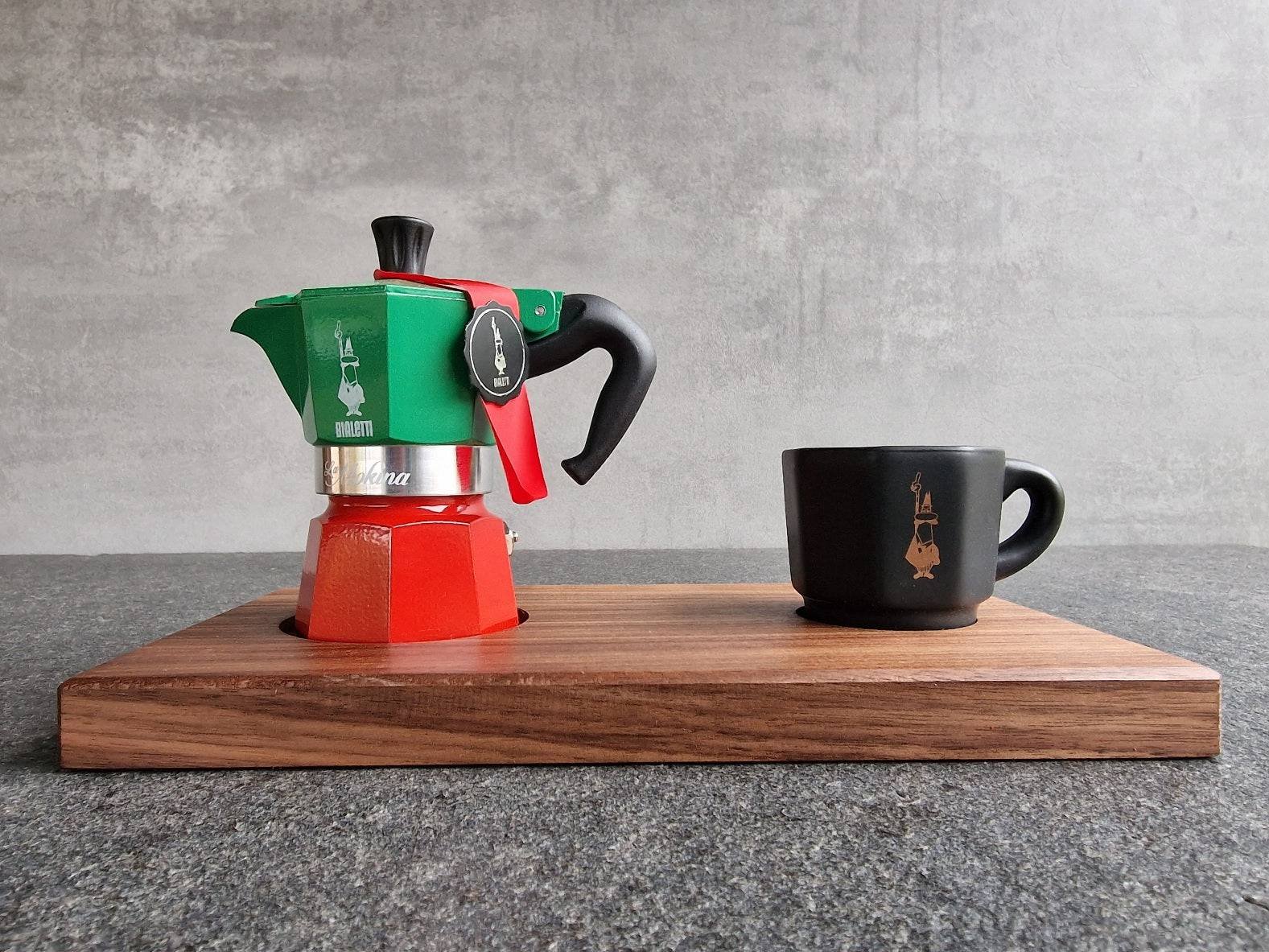
The Bialetti Moka changes hands: one of Italy's most iconic objects becomes Chinese
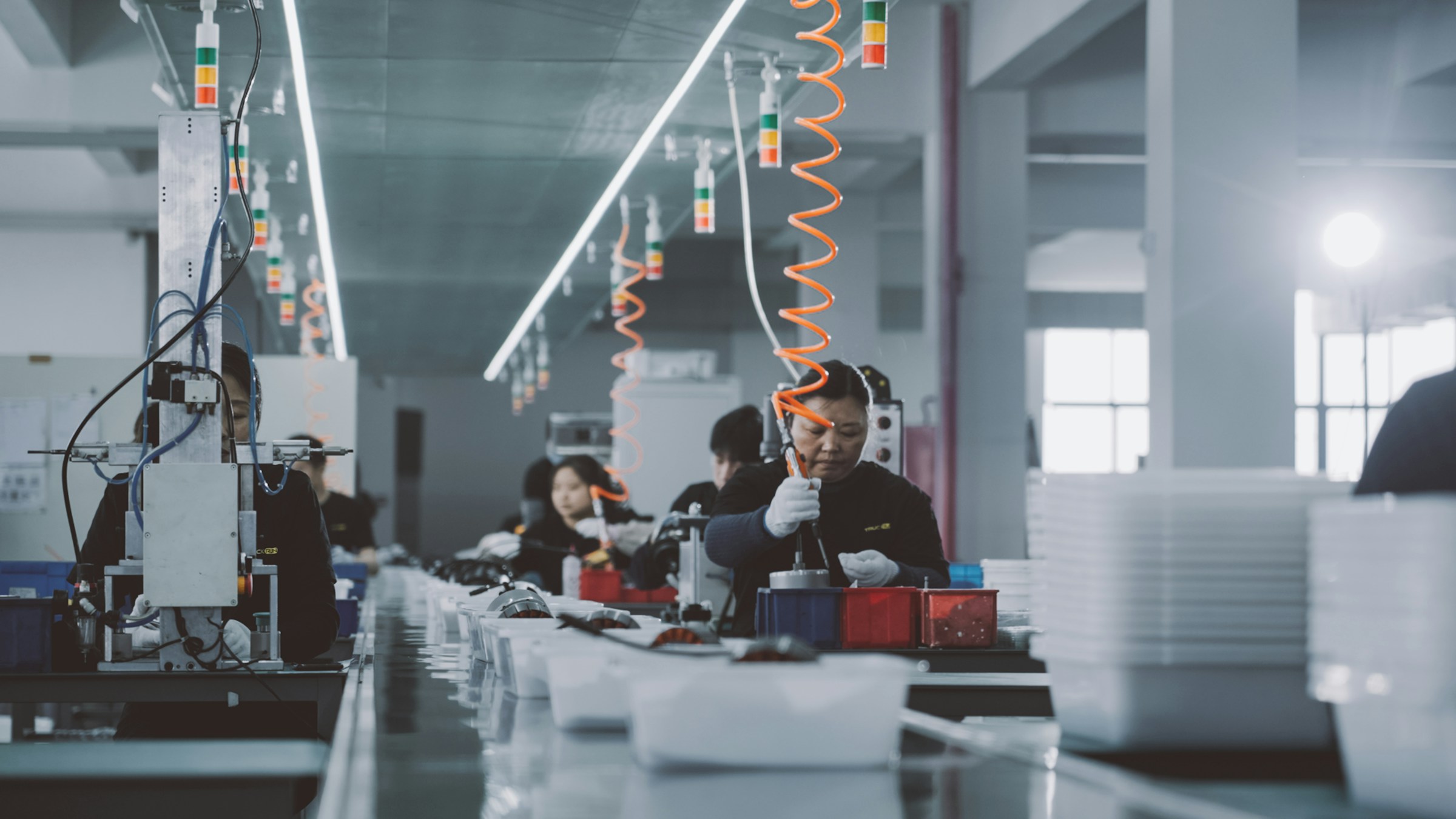
China producer prices are rising: what changes for buyers

European preference in public procurement: bids below 50% can be rejected
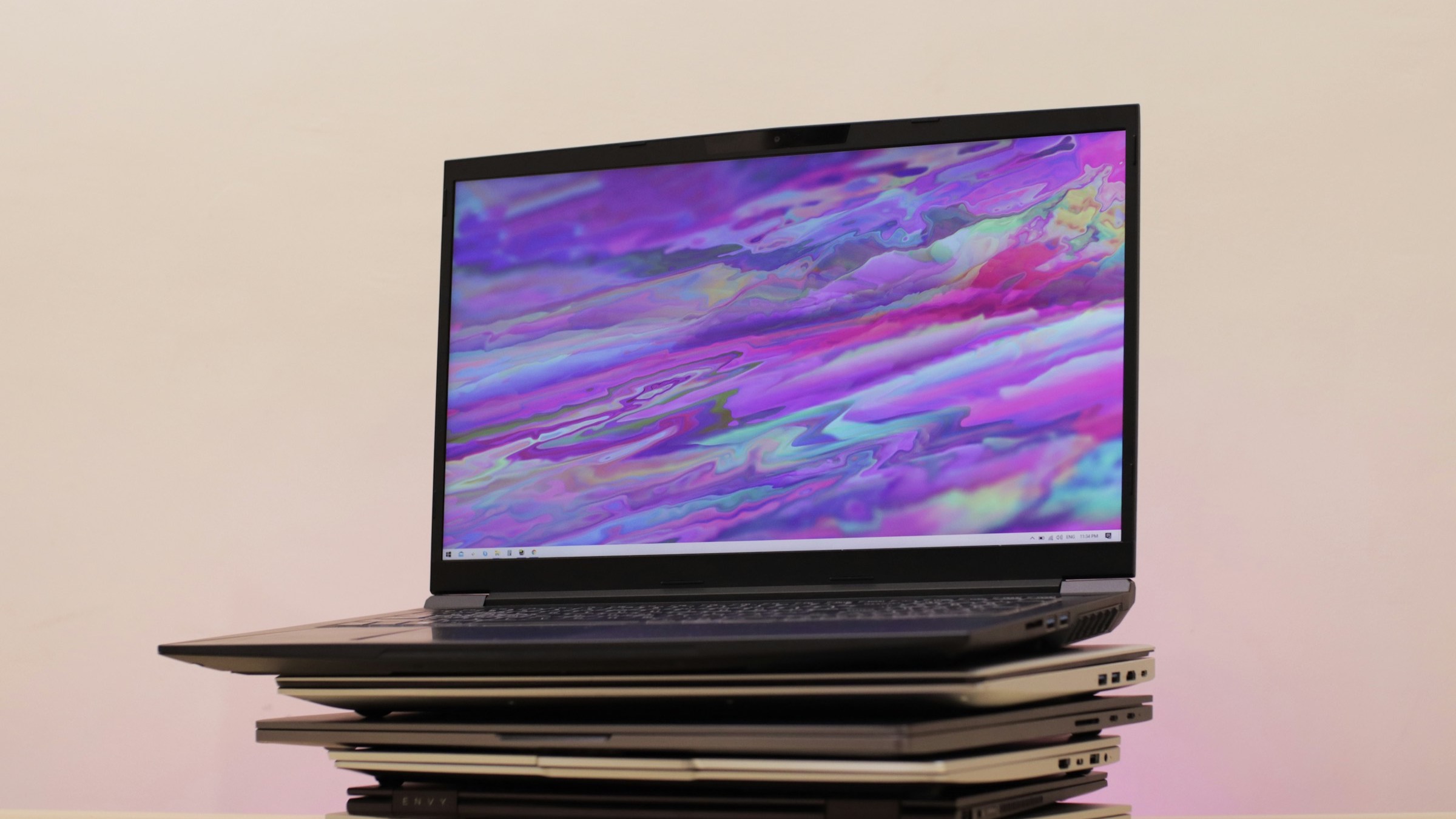
Lithium batteries in containers: thousands travel undeclared
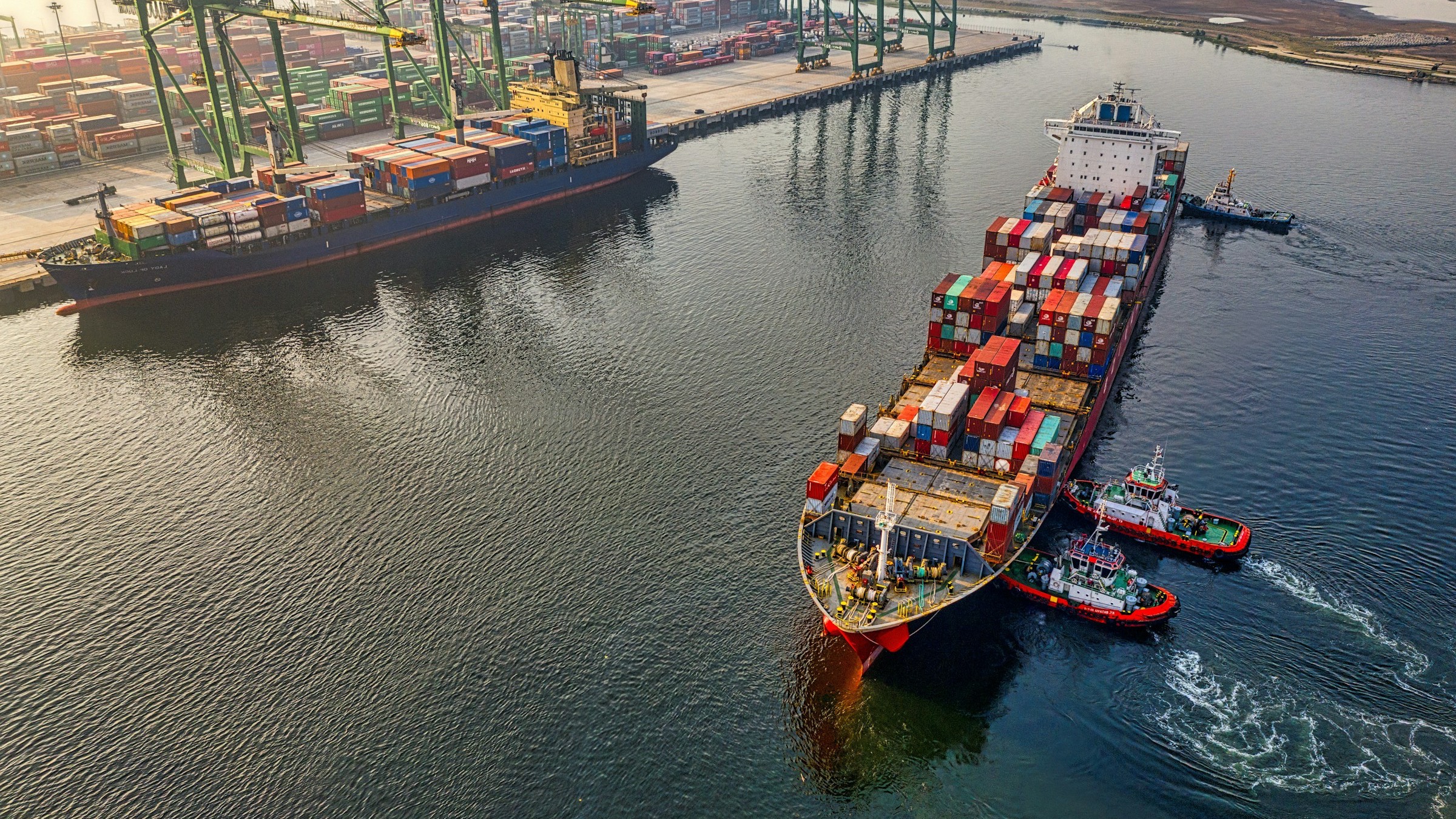
Congestion at Chinese ports: ten-day waits before Golden Week
WTO barometer: world trade is growing, but containers fall below trend
Fashion imports from China down 8.1%: what the figure says about suppliers

SVHC substances and importer obligations: the list rises to 253 entries
Chinese exports to Europe: just +6.6% while the rest of the world races ahead

Ten-T corridor delays Italy: Confetra's warning on Brenner and Terzo Valico

Panama Canal draft restrictions: Neopanamax cut postponed

Shanghai-Genoa container rates down 10%: what changes for those importing from China

Demurrage and detention charges disputed: Samsung seeks $186 million from CMA CGM at the FMC

Back to Suez: transits up 36% in August, but the route is only halfway there
Steel imports: "melt and pour" traceability starts on 1 October
China-Europe air cargo: the decline stops, what changes for importers
Goodbye to the €150 exemption: the EU parcel duty rewrites the rules of e-commerce imports
Beyond the electric car: China's new export wave of robots, AI and medicines
Steel: EU 50% tariff and new origin rules — what changes for importers
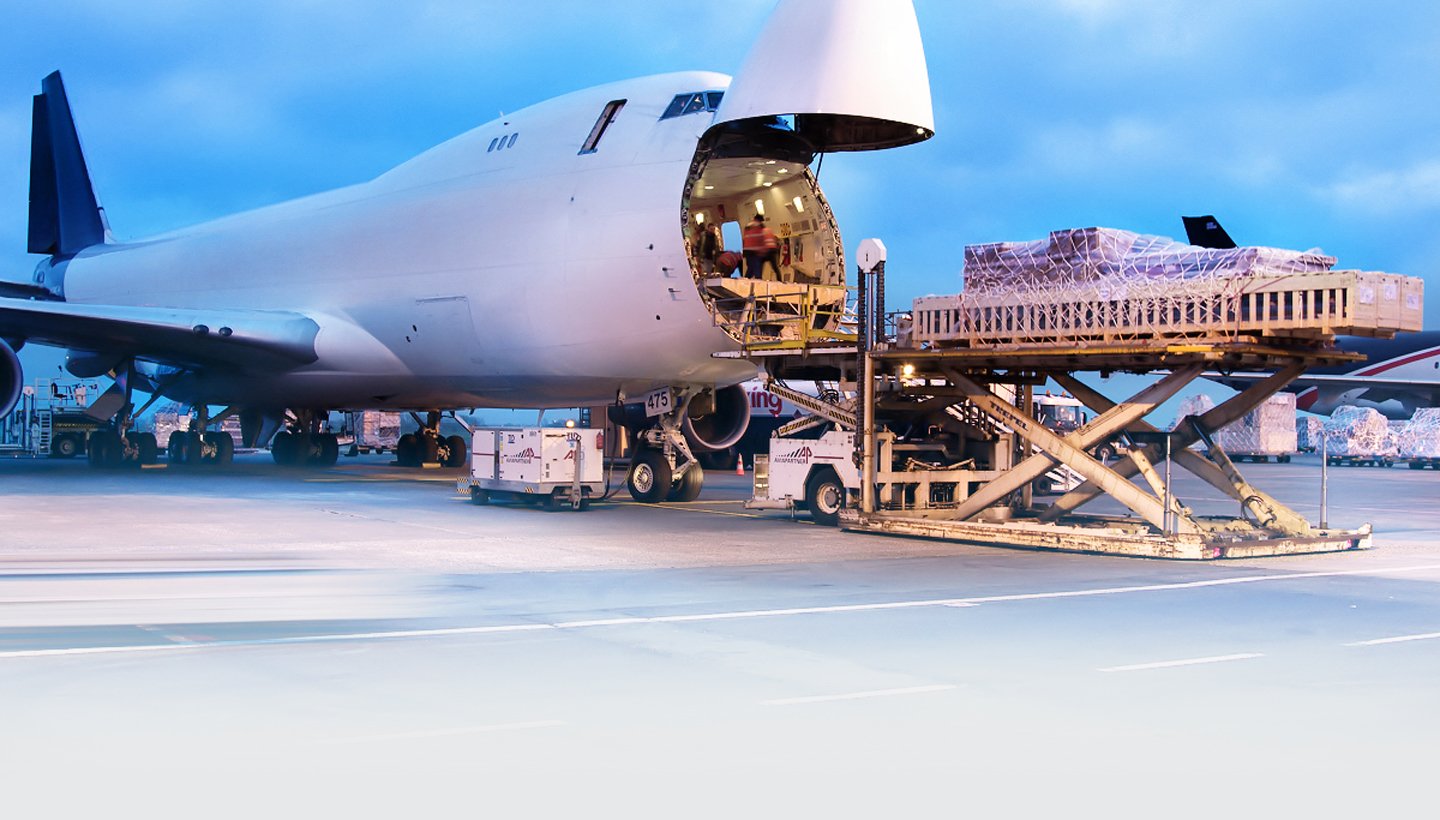
Air freight: when cargo takes flight, every detail counts
Customs checks on electronics imports: how to avoid penalties and optimise compliance
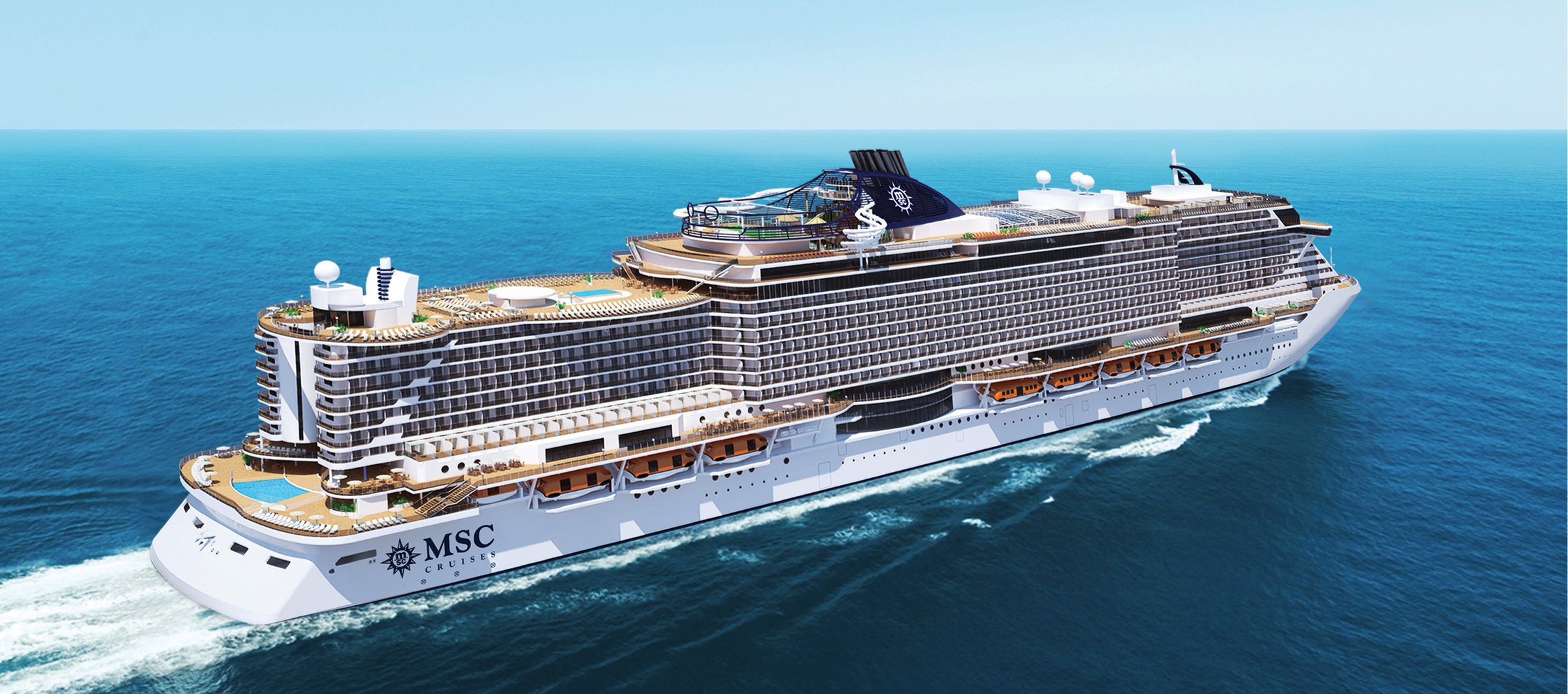
MSC is about to buy up ports around the world for 23 billion dollars
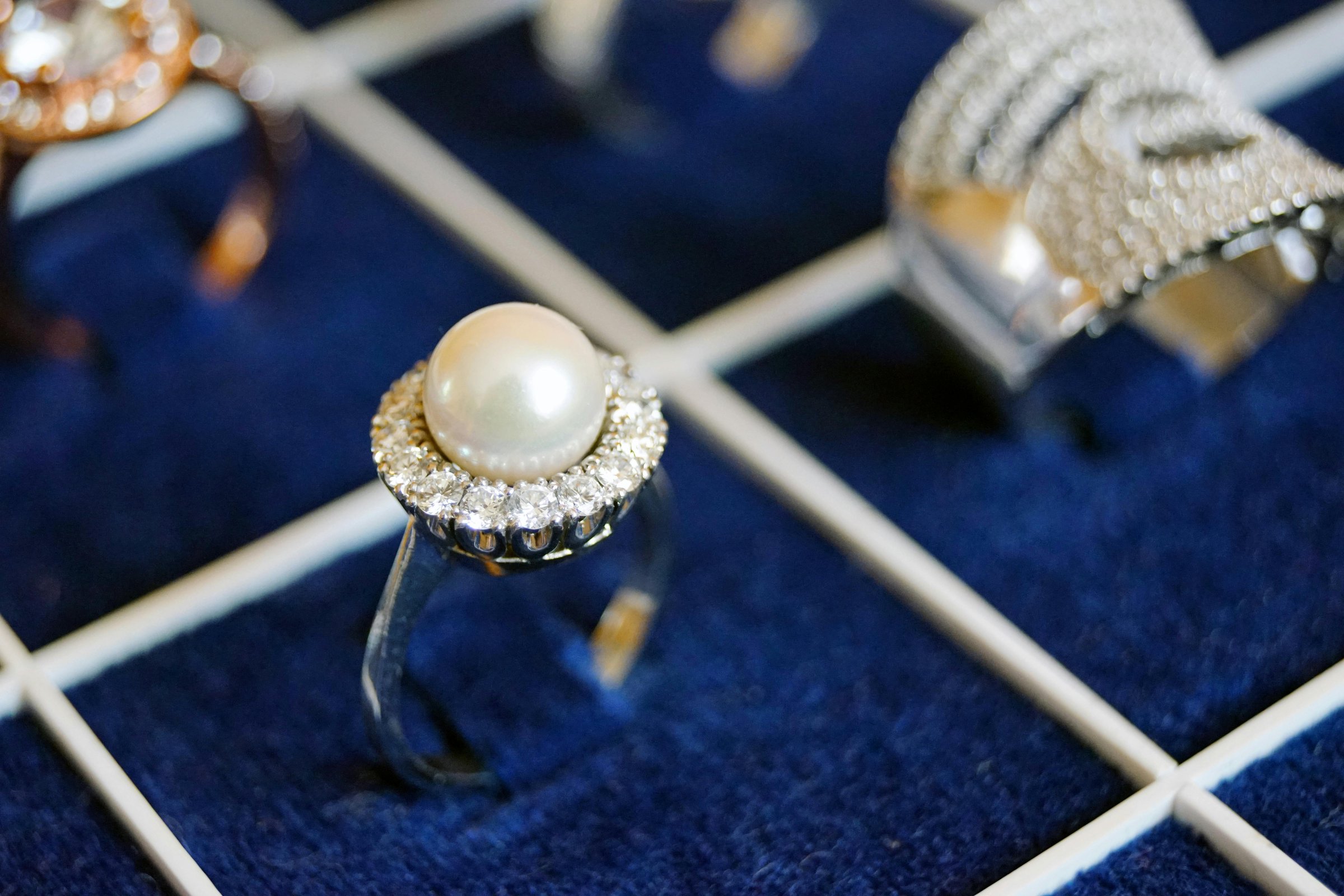
Import-export of jewellery and precious metals: what Italian law really says

How much does China really export? Figures and opportunities of the trade giant

The 5 questions we always ask our suppliers
Incoterms: the basics of international trade